Category: Resources
-

ESG Certifications Indian Exporters Need When Selling To Global Markets
ESG reporting has changed what global buyers expect from suppliers. They now review certifications, traceability records, workplace information, and supplier documentation alongside production capability and pricing. Indian exporters entering onboarding discussions with EU and international buyers are finding that documentation requests and reporting questionnaires have become a routine part of the process. Thomson Reuters reported in a…
-
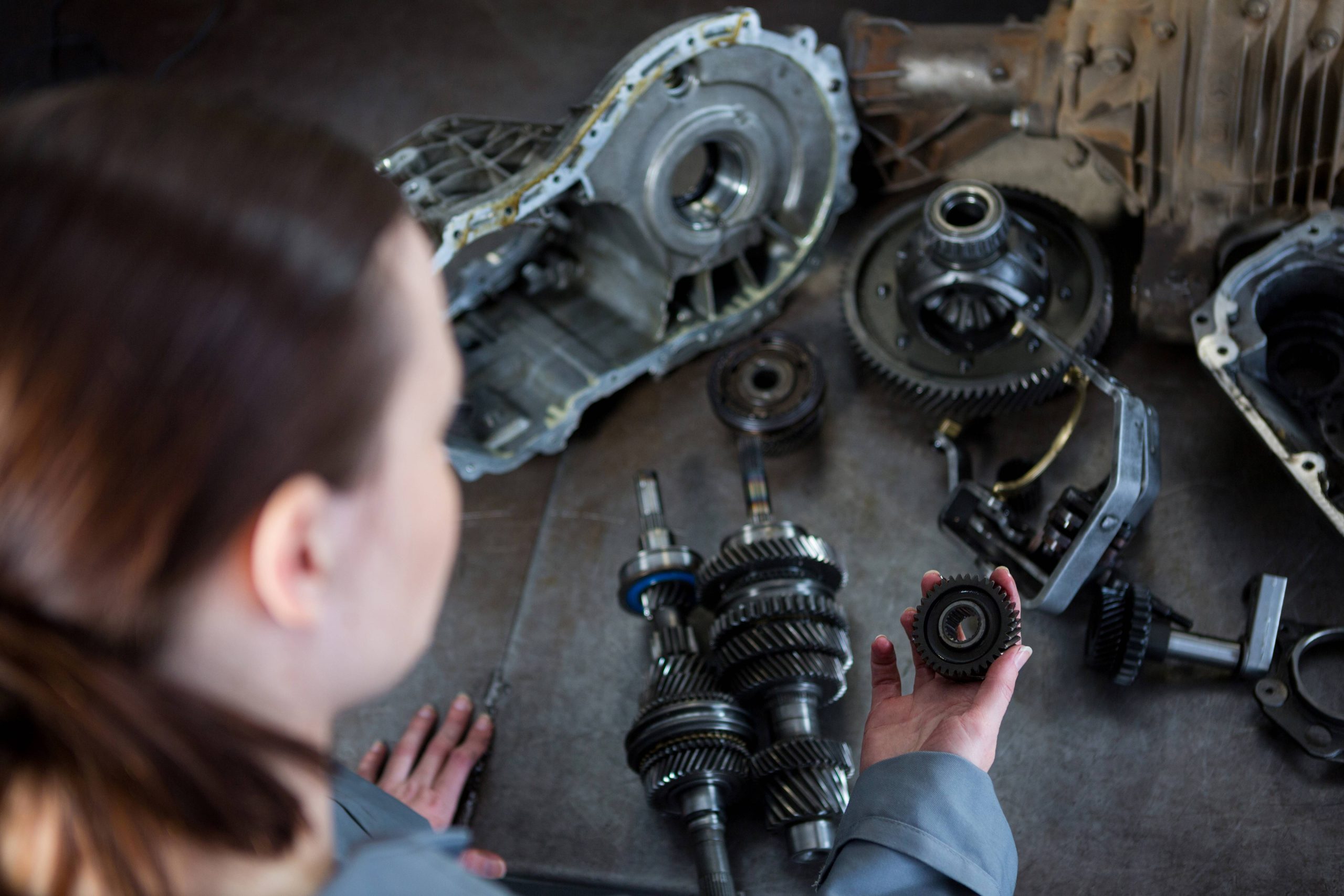
Sourcing OEM Replacement Parts for Industrial Equipment
Industrial equipment and machinery may remain in service for decades, but the availability of OEM replacement parts rarely stays consistent for that long. Procurement teams managing pumps, compressors, conveyors, crushers, hydraulic systems, and other industrial machinery often face growing pressure to quickly source compatible OEM replacement parts across fragmented supply networks. One challenge is that many industrial buyers do not begin searching for OEM replacement parts…
-

CBAM 2026: Compliance Preparation Guide for Indian Exporters
The European Union’s Carbon Border Adjustment Mechanism (CBAM) has entered its definitive phase from January 1, 2026, making it one of the most important trade developments affecting exporters supplying goods to Europe. Introduced as part of the EU’s climate strategy, CBAM places carbon-linked costs on certain imported products based on their embedded emissions. For Indian exporters, this means procurement conversations with…
-

How To Source from Custom Metal Forging Services in India
Not every forged component should be manufactured the same way. A forged shaft for mining equipment, an automotive forged assembly, and a seamless rolled ring for oil & gas applications all require different production methods, inspection systems, and manufacturing expertise. For buyers sourcing custom metal forging components from India, understanding those differences can make supplier…
-
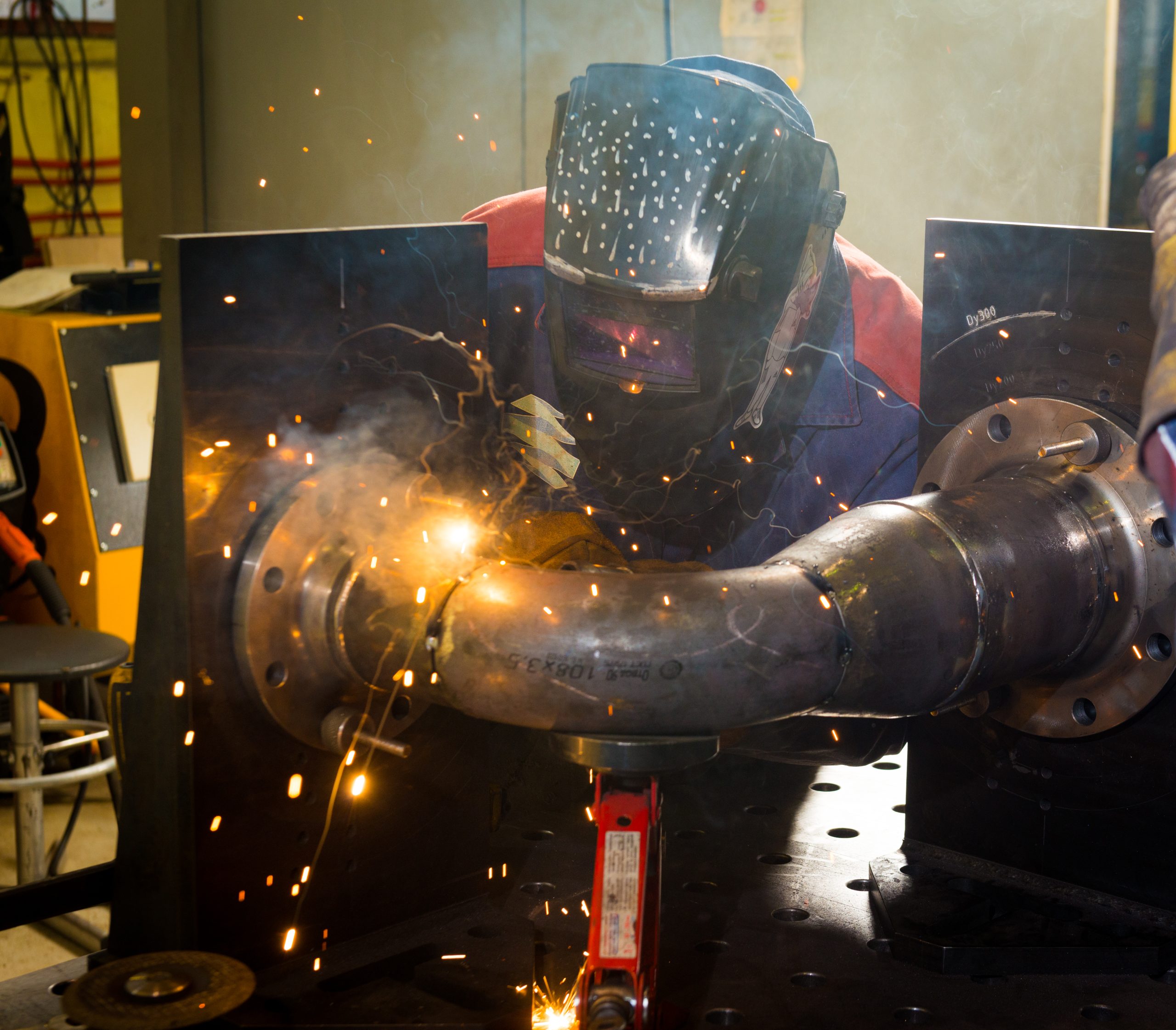
Why More Industrial Brands are Exploring White Label Business Opportunies from India
Industrial equipment distributors and regional industrial brands are under pressure to expand their product catalogues more quickly while carefully managing production investments and sourcing costs. Across categories such as welding equipment, fabrication tools, industrial consumables, and engineering products, many businesses are exploring the white-labelling business model as a practical way to enter new product segments…
-
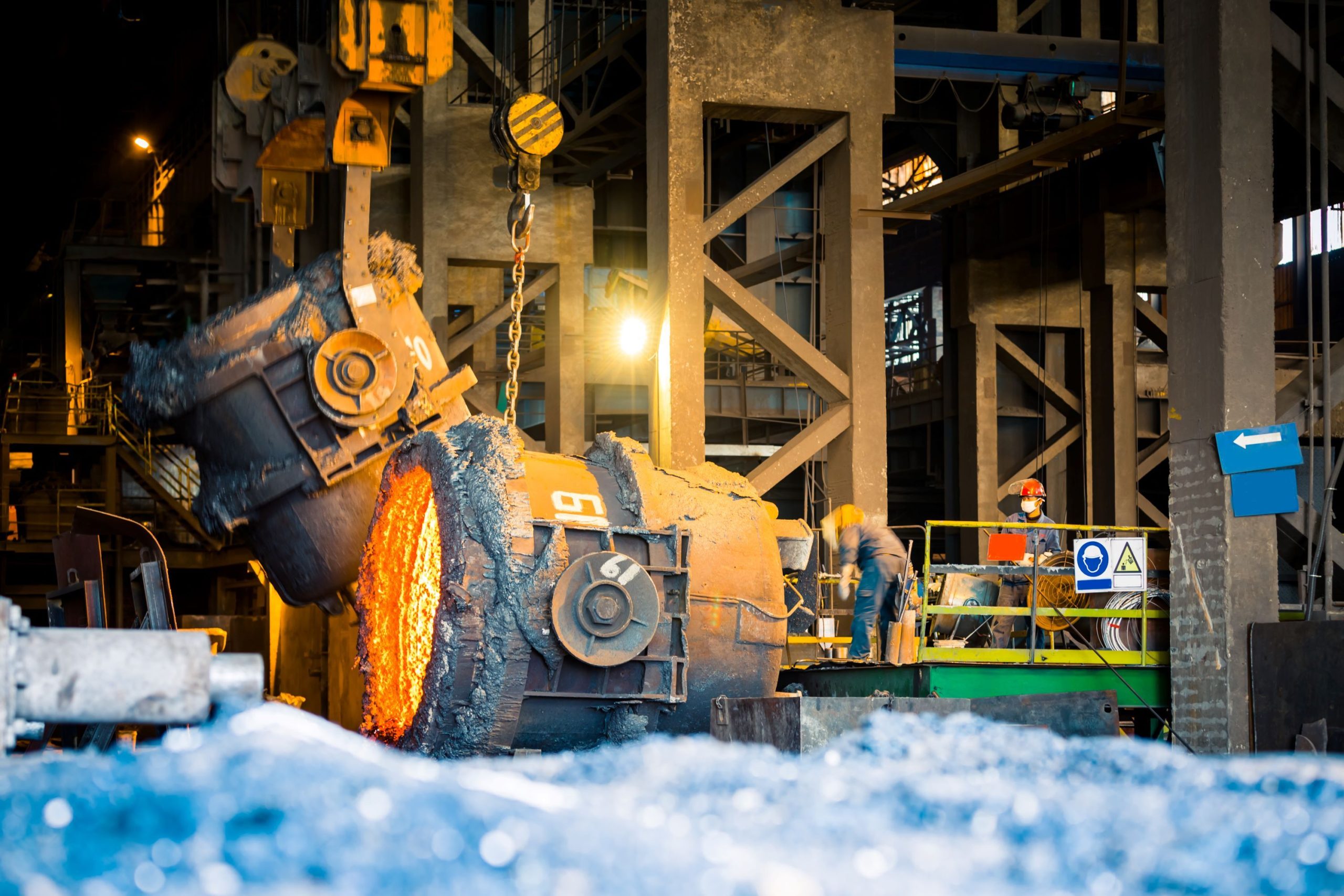
Key Questions Before Shortlisting Sand Casting Services
Procurement leaders don’t shortlist suppliers because they sound capable; they shortlist because the supplier can protect quality, timeline, and risk. Here’s a list of critical questions that matter most when evaluating sand casting services. What Buyers Should Ask When critical parts are on the line, the first question is not “What is your price?” It is:…
-
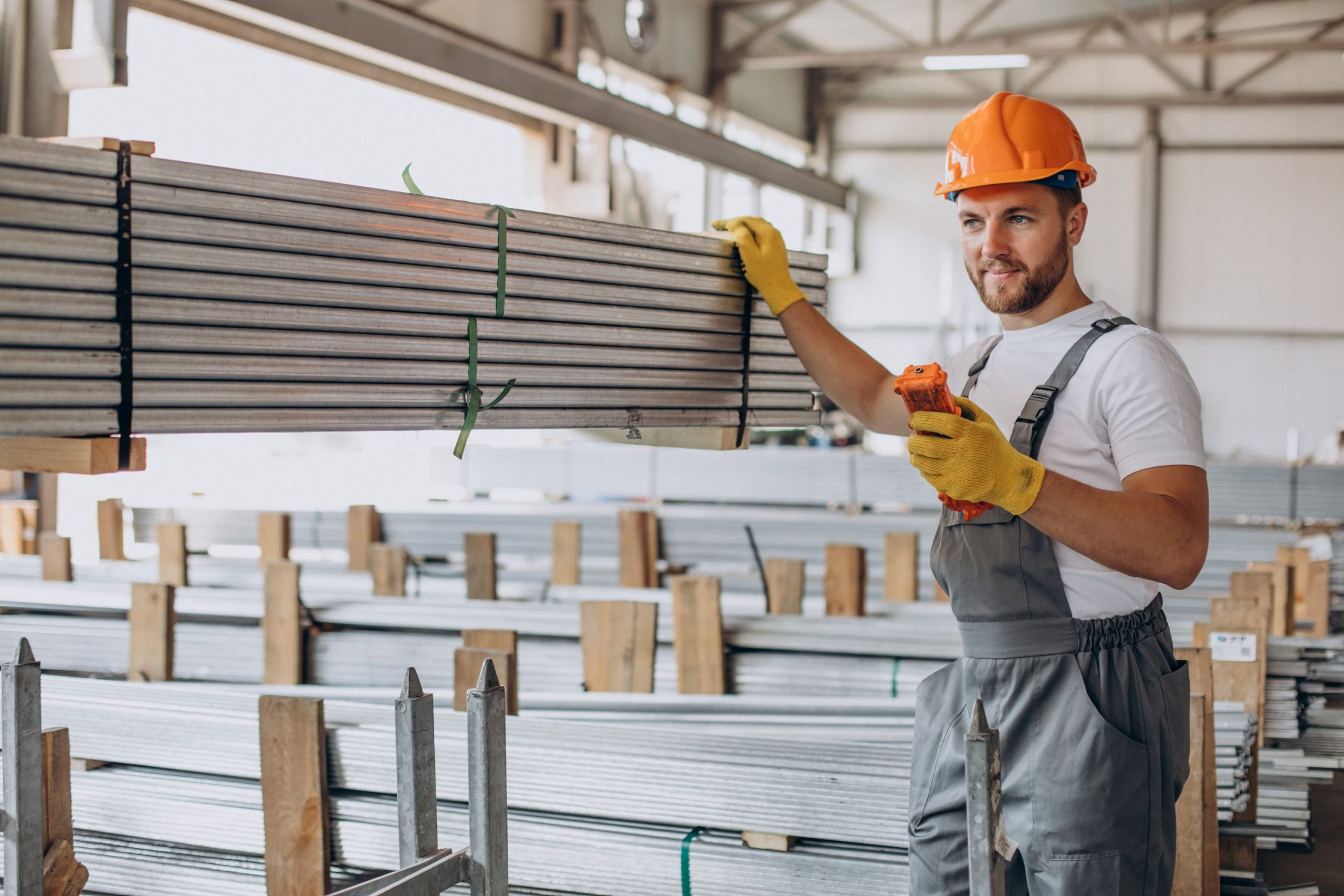
Precision Aluminum Extrusion: The Future of Lightweight Manufacturing
Across manufacturing sectors, there is an increasing demand for lightweight yet strong products. From automotive and aerospace to electronics and construction, reducing weight without compromising on durability has become a priority. This is where precision aluminum extrusion is transforming how modern manufacturing works. Why Aluminum is Leading The Future of Manufacturing One of the main…
-

rivexa Supplier Discovery: Finding Verified Suppliers in India
Buyers barely lose time during production. Most delays can be attributed to the early stages known as supplier discovery, where evaluation can take longer than expected, and decisions are made with incomplete information. This is exactly what rivexa supplier discovery is designed to address. Why Supplier Discovery is Tougher Today Sourcing from India and other countries might be the new trend, but identifying the right partners on…
-
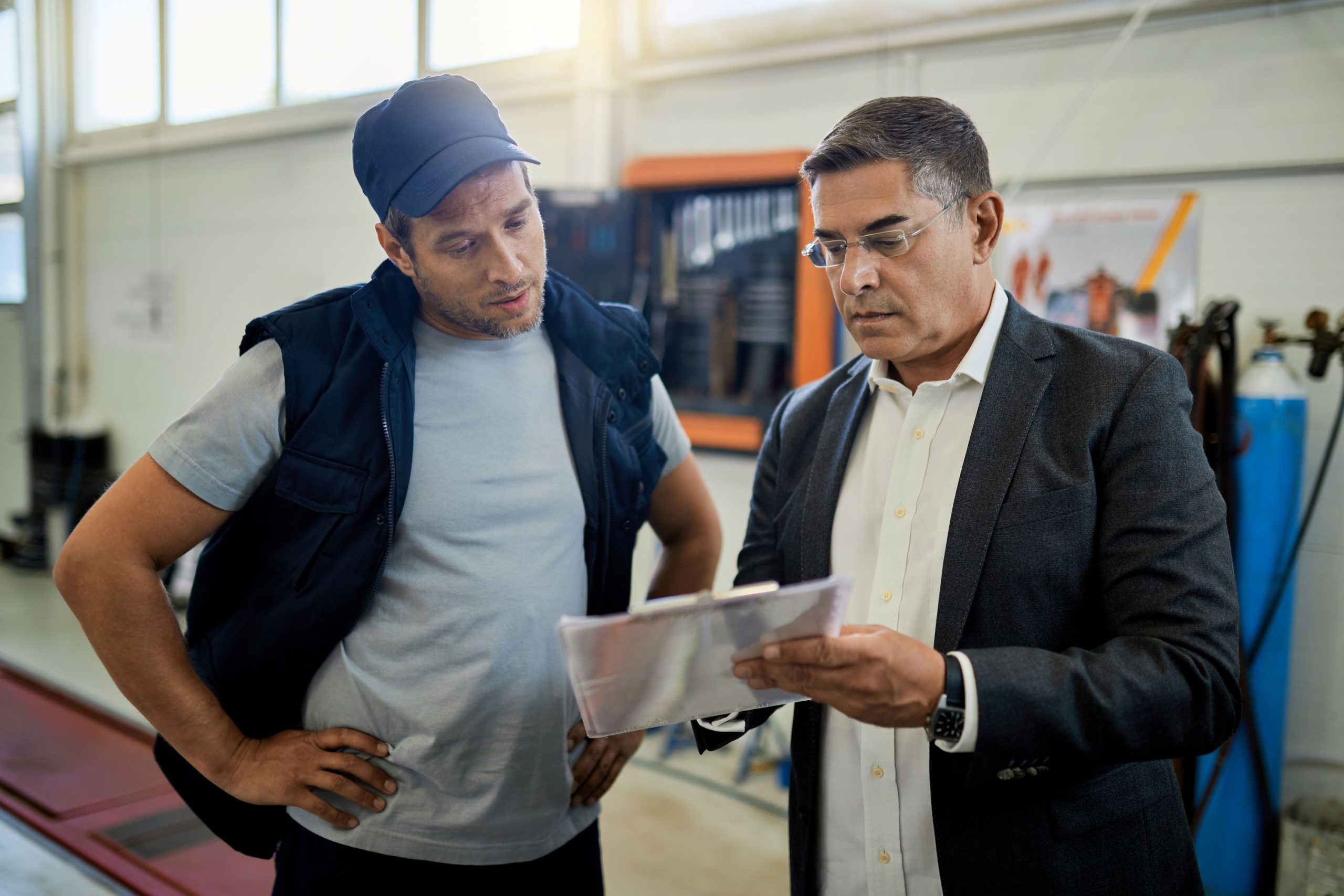
Think China is Faster? Think Again: India’s Craftsmanship is Rewriting Sourcing Efficiency
In today’s manufacturing landscape, “efficiency” often focuses on speed and cost. However, procurement leaders around the globe are redefining this term. True efficiency means precision and long-term reliability- not just quick turnaround time. This is where India is reshaping the narrative. Driven by a strong culture of craftsmanship and supported by modern infrastructure, India is…
-
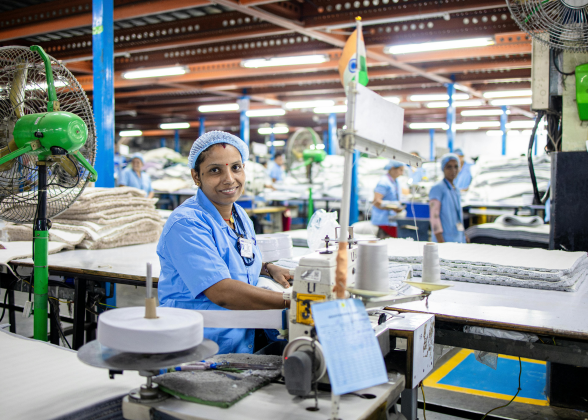
UK Retail Recovery and Its Impact on Indian Home Textile Suppliers
Home textile suppliers are once again in focus as UK retail shows signs of recovery after a prolonged inflation-led slowdown, with retail sales volumes growing by ~0.7% to 1.0% in late 2025. Recent updates from the Office for National Statistics indicated that easing inflation and a recovery in consumer spending are helping to restore demand across discretionary retail categories, including home furnishings and textiles. UK…