Author: Mainak Sarkar
-

Think China is Faster? Think Again: India’s Craftsmanship is Rewriting Sourcing Efficiency
In today’s manufacturing landscape, “efficiency” often focuses on speed and cost. However, procurement leaders around the globe are redefining this term. True efficiency means precision and long-term reliability- not just quick turnaround time. This is where India is reshaping the narrative. Driven by a strong culture of craftsmanship and supported by modern infrastructure, India is…
-
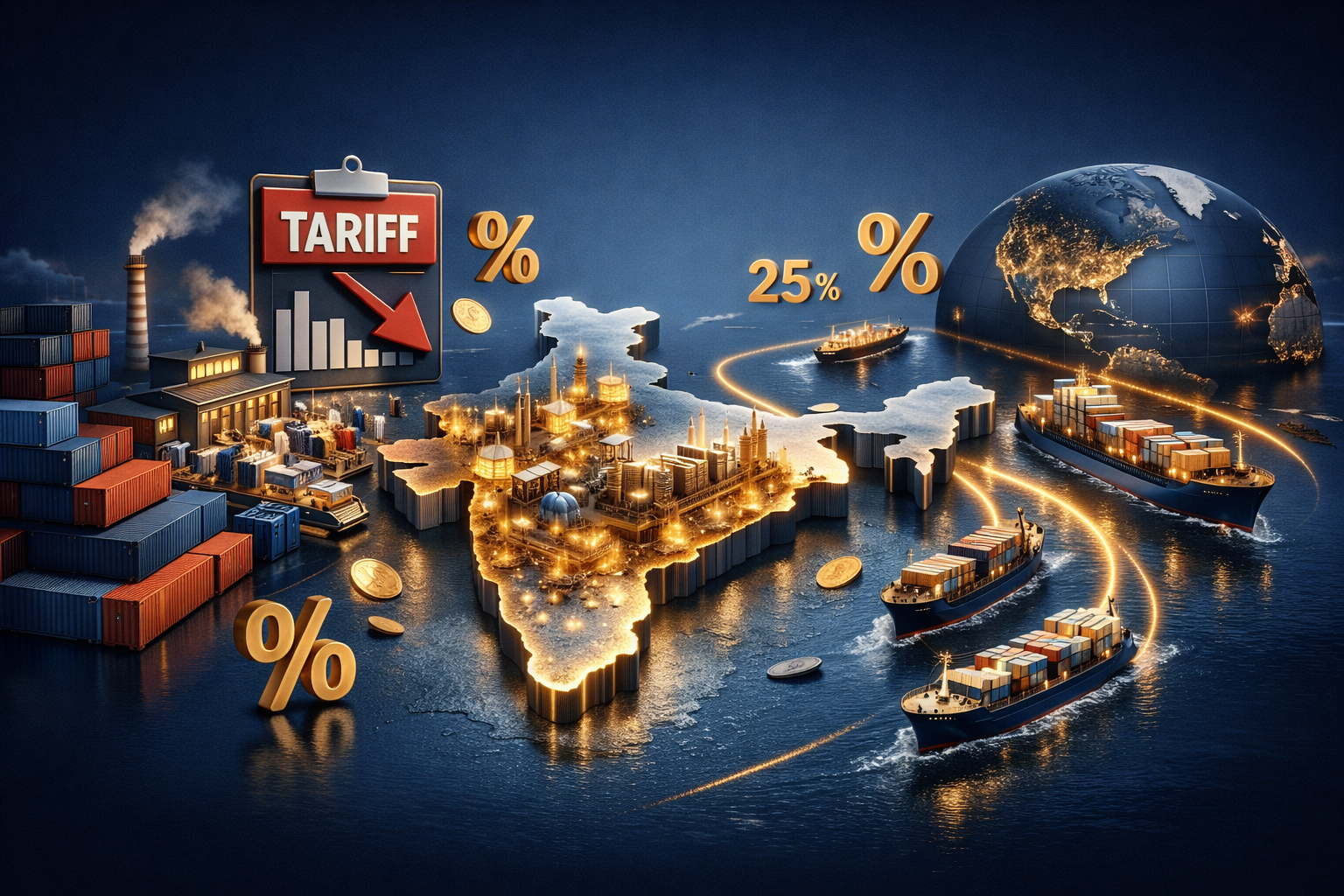
Tariffs vs. the Indian exporter
Tariffs rarely affect trade in isolation. As global buyers evaluate costs, sourcing strategies often shift gradually rather than overnight. This analysis examines what recent U.S. tariff developments mean for Indian exporters and global supply chains.
-

India–EU free trade agreement 2026: tariffs, CBAM, sourcing impact
The India–EU Free Trade Agreement (2026) reshapes sourcing strategy for global procurement leaders. With 99.5% tariff elimination, €4B annual duty savings, phased automotive tariff reductions, CBAM compliance obligations, and €500M in climate funding support, the agreement materially alters cost modelling, supplier selection, and long-term India sourcing decisions.
-

India–UK CETA 2026: tariff, customs, and sourcing implications
The India–UK trade deal (CETA 2026) introduces immediate tariff elimination across apparel and key industrial goods, along with origin self-certification, bilateral cumulation, and streamlined customs commitments. This analytical overview examines how duty removal, customs reform, and social security provisions reshape landed cost models and procurement strategy for UK buyers sourcing from India.
-
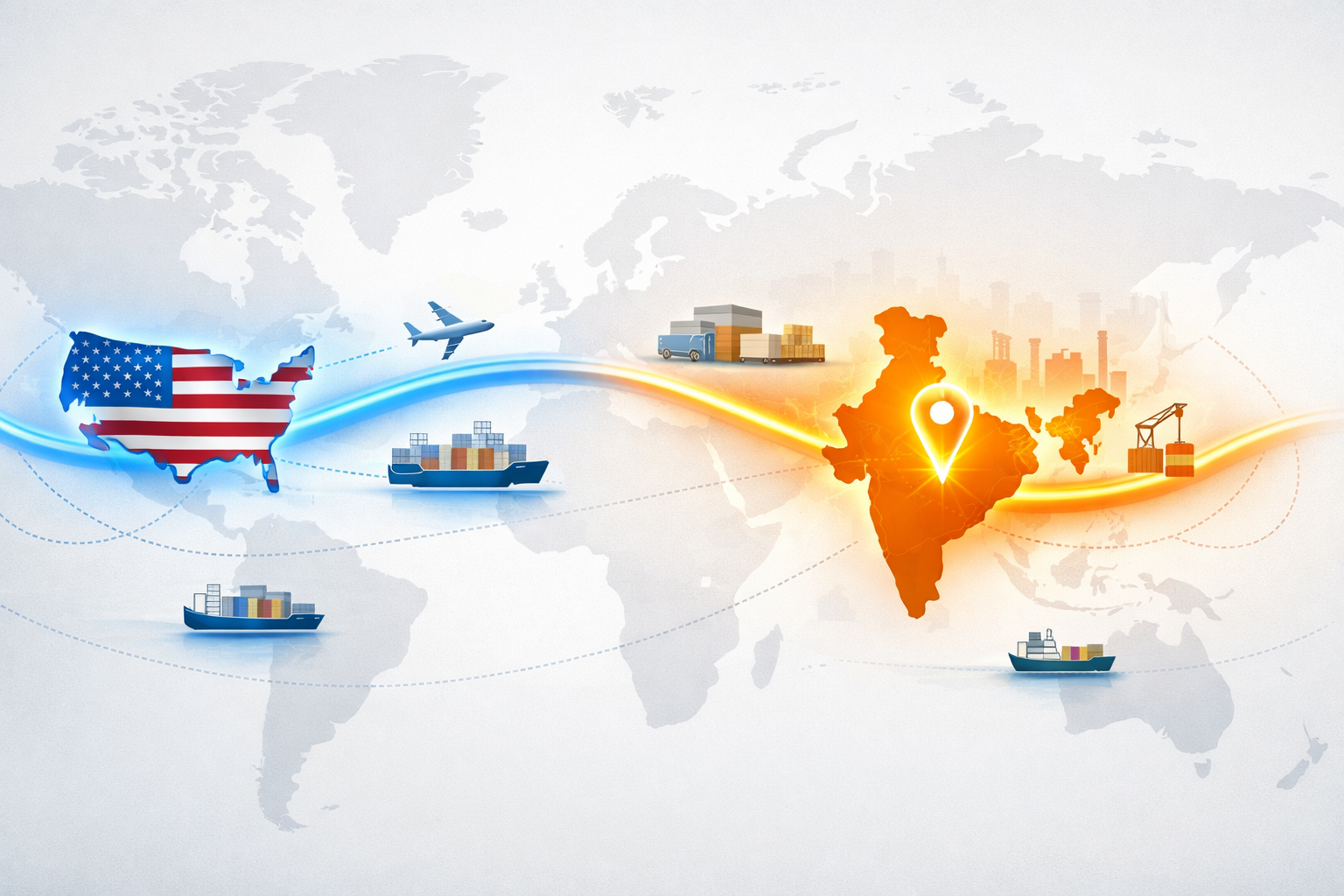
India-US FTA: why India is the new vertex for global sourcing
The India–US interim trade framework signals a new phase in global sourcing. Here is what the agreement reveals about tariffs, supply chains, and India’s rising manufacturing role.
-

India as a hub for verified global suppliers
Global suppliers are redefining how sourcing decisions are made in India. This blog explores how clusters, compliance, and verification are shaping buyer confidence.
-

IFSCA’s unified framework: GIFT City transforming trade finance for Indian exporters
IFSCA and GIFT City are reshaping India’s export landscape by introducing a unified global financing framework that streamlines trade finance, accelerates settlements, and connects exporters to international lenders. As India scales its sourcing and manufacturing footprint, this new financial infrastructure strengthens competitiveness and builds confidence for global buyers.
-

Fintechs redefining cross-border payments
Fintechs are dismantling long-standing bottlenecks in cross-border payments by replacing slow, bank-dependent settlement cycles with real-time, API-driven, compliant financial rails. As global tariffs reshape trade routes, India’s digital infrastructure, powered by IFSC’s regulations, is positioning exporters for faster liquidity, lower costs, and greater global competitiveness.
-

Best practices for supplier quality management when sourcing components from overseas
India’s engineering exports reached USD 109.32 billion in FY 2023–24, rising 2.13% year-on-year despite a global slowdown. With engineering now contributing 25% of India’s total merchandise exports, the data underscores India’s growing strength as a reliable sourcing hub for global procurement teams.
-
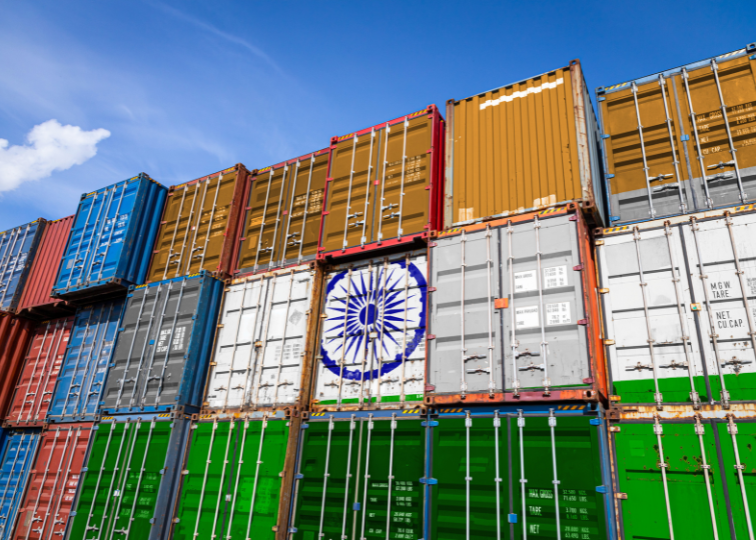
How dual-sourcing strengthens the drive to export Indian products
Global procurement teams are rebalancing supply chains with a China + India model. Explore how India’s trade reforms, verified suppliers, and cost stability make it the new anchor for dual-sourcing success.