Category: Resources
-
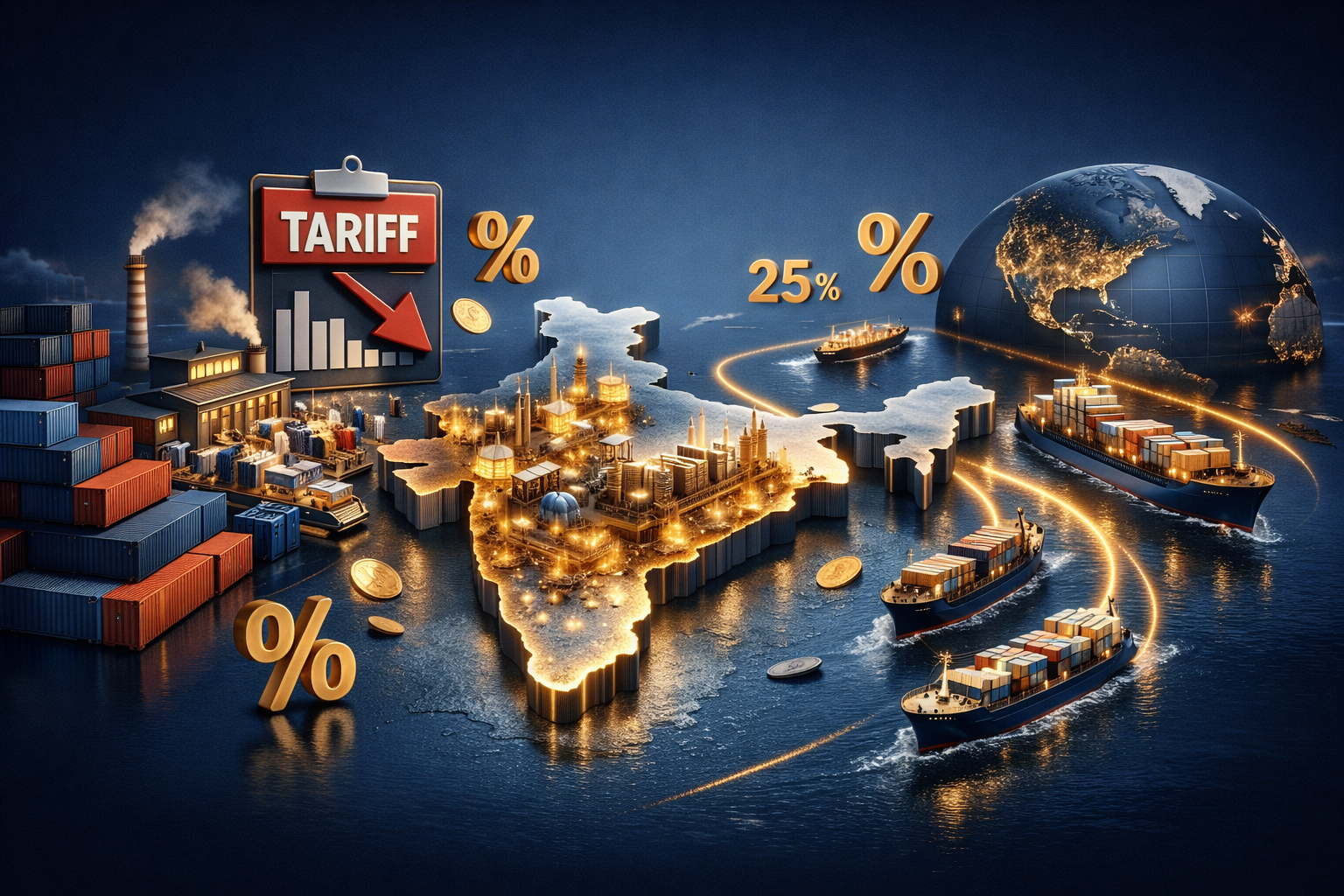
Tariffs vs. the Indian exporter
Tariffs rarely affect trade in isolation. As global buyers evaluate costs, sourcing strategies often shift gradually rather than overnight. This analysis examines what recent U.S. tariff developments mean for Indian exporters and global supply chains.
-

Electric vehicle components: India’s next frontier for automotive exports
India’s EV component manufacturing sector is gaining global traction as electric vehicle supply chains shift toward modular, cross-border sourcing. With strong export growth in electric motors, aluminium components, precision machining, and fabricated metal parts, India is increasingly positioned as a strategic sourcing base for global OEMs. This analysis examines EV value chain concentration, raw material…
-

India–EU free trade agreement 2026: tariffs, CBAM, sourcing impact
The India–EU Free Trade Agreement (2026) reshapes sourcing strategy for global procurement leaders. With 99.5% tariff elimination, €4B annual duty savings, phased automotive tariff reductions, CBAM compliance obligations, and €500M in climate funding support, the agreement materially alters cost modelling, supplier selection, and long-term India sourcing decisions.
-

India–UK CETA 2026: tariff, customs, and sourcing implications
The India–UK trade deal (CETA 2026) introduces immediate tariff elimination across apparel and key industrial goods, along with origin self-certification, bilateral cumulation, and streamlined customs commitments. This analytical overview examines how duty removal, customs reform, and social security provisions reshape landed cost models and procurement strategy for UK buyers sourcing from India.
-

India-US FTA: why India is the new vertex for global sourcing
The India–US interim trade framework signals a new phase in global sourcing. Here is what the agreement reveals about tariffs, supply chains, and India’s rising manufacturing role.
-

Why global fashion houses keep turning to India for craft and manufacturing
Recent runway moments have brought Indian craftsmanship back into the global spotlight. For apparel buyers and sourcing teams, the attention highlights something deeper. Many of the techniques shaping modern fashion collections originate from craft clusters across India, where textile expertise and manufacturing capability support global apparel supply chains.
-
GCC buyers’ guide to sourcing engineering components from India
GCC industrial programmes are driving sustained demand for custom-engineered components. This guide explains how India fits into GCC sourcing strategies and how buyers can manage risk, quality, and execution across borders.
-

UK buyers’ guide to industrial sourcing from India
UK procurement leaders are reassessing industrial sourcing in the wake of the UK–India FTA. This guide explains why India has become a preferred manufacturing partner and how buyers can source with greater predictability and control.
-

Premium kidswear sourcing when craftsmanship and consistency matter
Premium children’s fashion has always occupied an unusual position within the apparel industry, particularly in organic cotton onesies. It combines the aesthetic expectations of luxury with performance requirements closer to those of technical wear. Garments must withstand frequent washing, sustained movement, and rapid growth cycles, while still delivering finish quality that reinforces brand equity season…
-
How India became world’s fastest-growing export base for auto components
India’s auto component industry has moved into a central role in global supply chains. This analysis explains the data, trade drivers, and capabilities behind its rapid export growth.