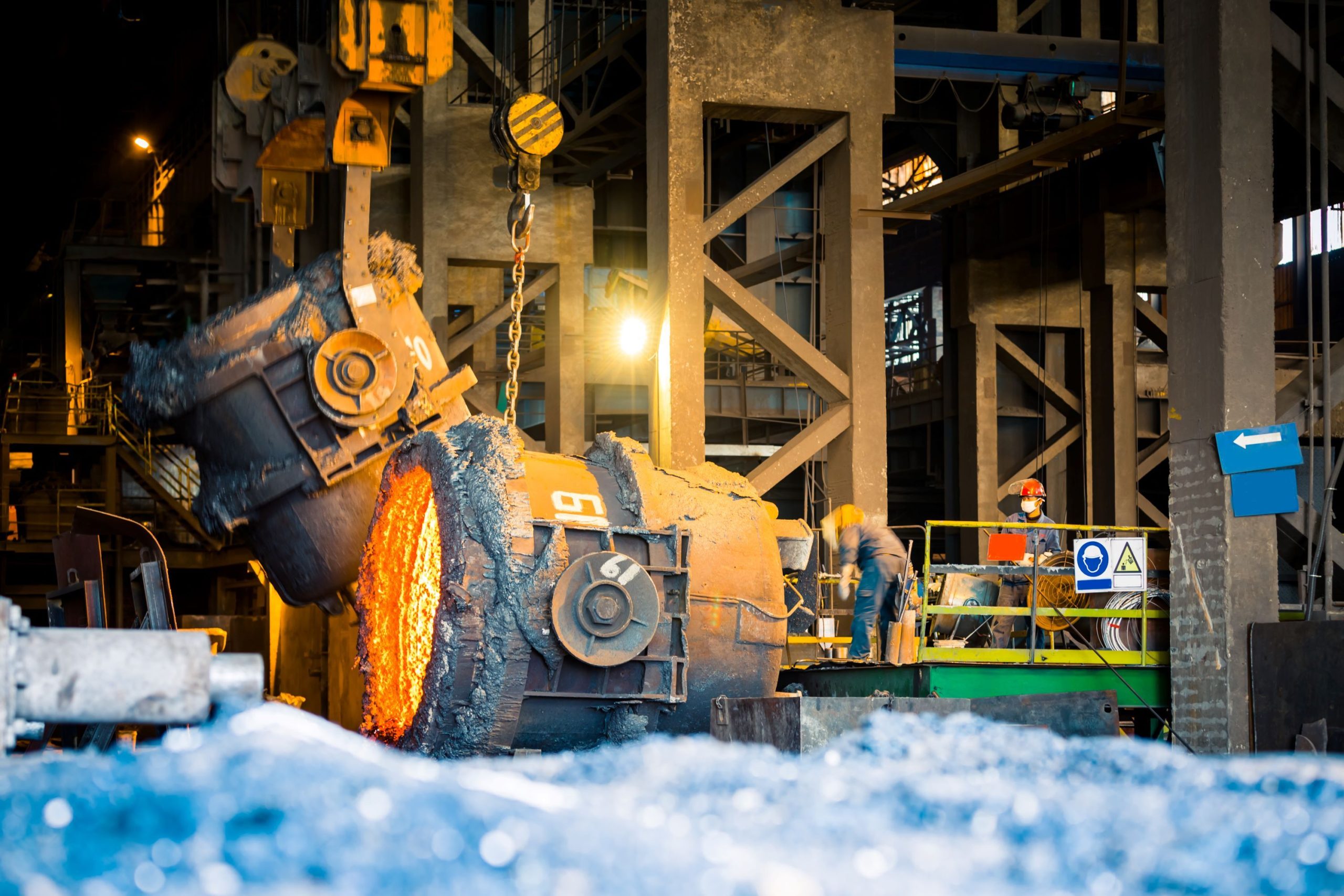
Procurement leaders don’t shortlist suppliers because they sound capable; they shortlist because the supplier can protect quality, timeline, and risk. Here’s a list of critical questions that matter most when evaluating sand casting services.
What Buyers Should Ask
When critical parts are on the line, the first question is not “What is your price?” It is: can this supplier consistently deliver parts that meet performance and delivery requirements? The right sand casting services partner should be able to prove material consistency, process control, and defect management with evidence, not just promises.
Ask how the supplier controls variation across batches. Critical components fail when material quality shifts, molds are inconsistent, or inspection is too shallow to catch issues early. For procurement teams, that means asking for documentation on process controls and test methods before moving forward.
Questions That Expose Risk
Start with these questions:
- What certifications and compliance standards do you maintain?
- Which alloys do you routinely cast, and what tolerances can you hold?
- How do you detect and reduce porosity, cracking, shrinkage, and dimensional defects?
- What is your typical lead time for prototypes, pilot runs, and production volumes?
- How do you document traceability from raw material to finished part?
These questions help separate polished sales talk from real manufacturing discipline. Buyers evaluating sand casting services should also ask for recent case studies, customer references, and sample inspection reports to validate performance in similar applications.
Supplier Capability Checks
For critical parts, technical capability matters as much as commercial fit. Ask whether the supplier supports design-for-manufacturability reviews, pattern optimization, and post-casting finishing. A strong sand casting services provider should reduce risk upstream, not just quote an attractive unit price.
It also pays to ask about capacity and scalability. A supplier may handle a small prototype order well but struggle when demand ramps up or specifications change. Procurement leaders should confirm whether the foundry can maintain quality under volume pressure and whether it has contingency planning for delays, rework or supply disruptions.
Commercial Discipline Matters
A low quote can hide expensive surprises later. Ask for transparent pricing that separates tooling, material, labor, finishing, testing and freight, so you can compare suppliers on total landed value, not just piece price. This is especially important when sand casting services are being sourced for parts where a delay or defect can halt production.
Also ask how changes are handled. If engineering revisions happen, how quickly can the supplier update patterns, confirm feasibility, and rerun approvals? The best suppliers respond with a clear change-control process that protects both schedule and quality.
Final Buyer Filter
Before shortlisting, ask one final question: would this supplier reduce my procurement risk or add to it? The best sand casting services partners make risk visible early, communicate clearly, and show proof through documentation and output.
For procurement leaders, that is the real shortlist filter: not the lowest quote, but the supplier most likely to protect uptime, quality and margin.
Conclusion
For buyers sourcing critical parts, the difference between a good supplier and a great sourcing partner is measured in risk reduction and consistency.
rivexa helps buyers source sand casting equipment with more confidence and less risk. For critical parts, we connect you with trusted manufacturing partners, simplify supplier selection, and bring clarity to every step from RFQ to delivery.
Partner with rivexa to make sand casting sourcing seamless.

Leave a Reply