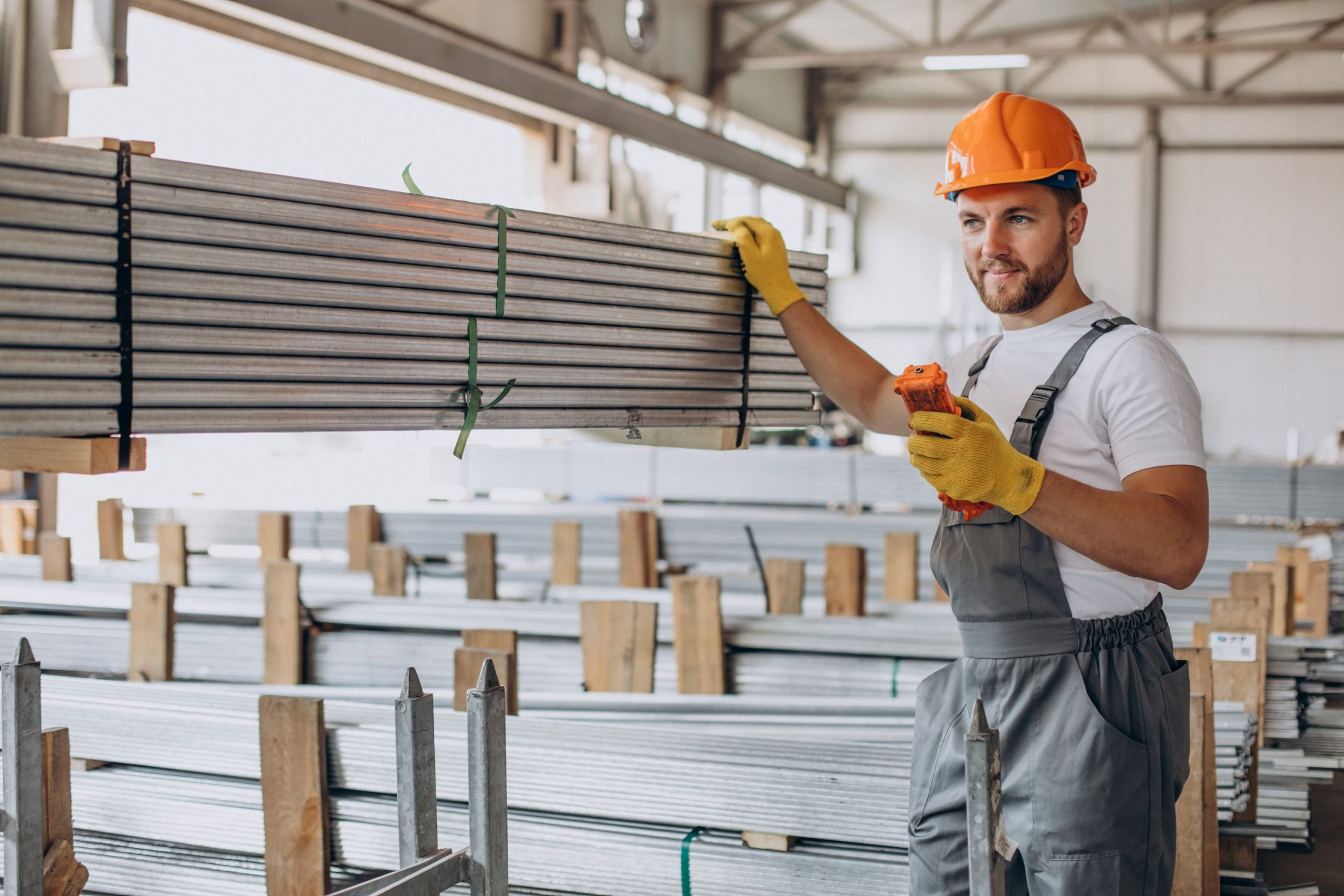
Across manufacturing sectors, there is an increasing demand for lightweight yet strong products. From automotive and aerospace to electronics and construction, reducing weight without compromising on durability has become a priority. This is where precision aluminum extrusion is transforming how modern manufacturing works.
Why Aluminum is Leading The Future of Manufacturing
One of the main reasons behind the preference for aluminum as engineering material is that it comes with certain advantages. It is lightweight, corrosion-resistant and recyclable. Compared to steel or other heavier metals, aluminum significantly reduces product weight, making transportation easier as well.
When paired with aluminum extrusion, manufacturers can create intricate profiles and custom shapes that meet exact specifications. This makes it ideal for industries where every gram, every millimeter matter.
How it is Driving Innovation
Modern products demand more than just strength- they require sleek designs, tighter tolerances, and faster production cycles. With precision aluminum extrusion, manufacturers can produce complex components with consistency in quality.
Does not matter if you are working on heat sinks for electronics, structural frames for solar panels, automotive components, or modular systems- with precision aluminum extrusion it becomes possible to create prototypes faster and produce at a larger scale.
Industries Benefiting From Aluminum Extrusion
Several sectors are already leveraging the benefits of precision aluminum extrusion:
- Automotive: Lightweight parts improve fuel efficiency and EV range
- Aerospace: Strong yet light components enhance performance
- Construction: Durable window frames, facades, and support systems
- Electronics: Custom enclosures and thermal management solutions
- Renewable Energy: Solar panel mounting systems and battery structures
As industries continue to innovate, demand for precise and lightweight components will only rise.
Sustainability Meets Performance
In an age dominated by sustainability, companies have been forced to cut down their carbon footprints and adopt sustainable supply chain practices. This is where aluminum emerges as an exceptional raw material. Being 100% recyclable and able to retain its structural integrity through repeated cycles of recycling, aluminum is arguably one of the most sustainable metals used in industry today.
The environmental advantage is equally compelling. Producing recycled aluminum requires only around 5% of the energy needed to make primary aluminum. This makes precision aluminum extrusion an ideal solution for businesses seeking greener manufacturing without sacrificing performance.
Why The Future Belongs To Precision Manufacturing
The next generation of manufacturing will be shaped by four key demands: speed, efficiency, customization, and sustainability. Traditional fabrication methods often struggle to meet these expectations at scale. Precision aluminum extrusion, however, enables manufacturers to produce complex, high-tolerance profiles faster, with less waste and lower post-processing costs.
This shift is already visible in market growth. The global aluminum extrusion market was valued at USD 111.88 billion in 2024 and is projected to reach USD 166.65 billion by 2030, growing at a CAGR of 7.0%. Rising demand from automotive, infrastructure, electronics, and industrial sectors is accelerating adoption worldwide.
Partner with rivexa for Aluminum Extrusion Solutions
Finding reliable, export-ready partners remains a challenge for many global procurement teams. rivexa bridges this gap by connecting buyers directly with trusted Indian manufacturers capable of delivering high-quality, precision aluminum extrusion solutions.
Partnering with a proven network ensures consistency from the first prototype to the final shipment. Future-ready products start with better raw materials and sharper production techniques.
Reach out today to see how these methods apply to your specific workflow. Building light is the new standard.
Start now with rivexa.

Leave a Reply