Fashion runways often act as early indicators of where design ideas and sourcing demand may move next. When high-end European labels drew on traditional Indian footwear designs, it brought a much larger question into focus. The discussion wasn’t about any single product or brand. The real subject was about how much commercial value sits within Indian craft traditions.
Two different patterns have emerged in how traditional Indian craftsmanship appears in recent fashion conversations. One involves a luxury collection shown in Mumbai, where garments created in collaboration with Indian embroidery ateliers and textile artisans using well-established craft techniques were placed before an international audience.
The second involved the Kolhapuri chappal, originating from Maharashtra, on a global fashion collection. It placed a style of footwear that leather artisans have handcrafted for generations, driving renewed interest around it. Comparable moments have appeared before, in collections where some other designers experimented with the traditional Indian saree drape.
Although these movements emerged in very different contexts, they point towards the same industry pattern. When Indian craft techniques appear on the runway, sourcing conversations often follow.
The signal behind high-fashion moments
When noted luxury houses incorporate designs inspired by India into their collections, it sends a clear message. It validates that Indian aesthetic sensibilities have a premium place on the world stage. For business and buyers, runway collections rarely exist in isolation.
They introduce ideas that often move into broader commercial collections months later. When that happens, brands begin identifying suppliers capable of producing the materials, textiles, or craft techniques involved in those designs. Many of those techniques originate in regions across India where specialised craft clusters have developed over generations.
How high-fashion translates into apparel production
Runway collections have a recognised influence on commercial apparel. When design ideas or trends begin to move into wider production, sourcing teams turn their attention to more concrete questions: can fabrics, materials, craft techniques involved be produced at a reliable level. India frequently becomes part of that conversation.
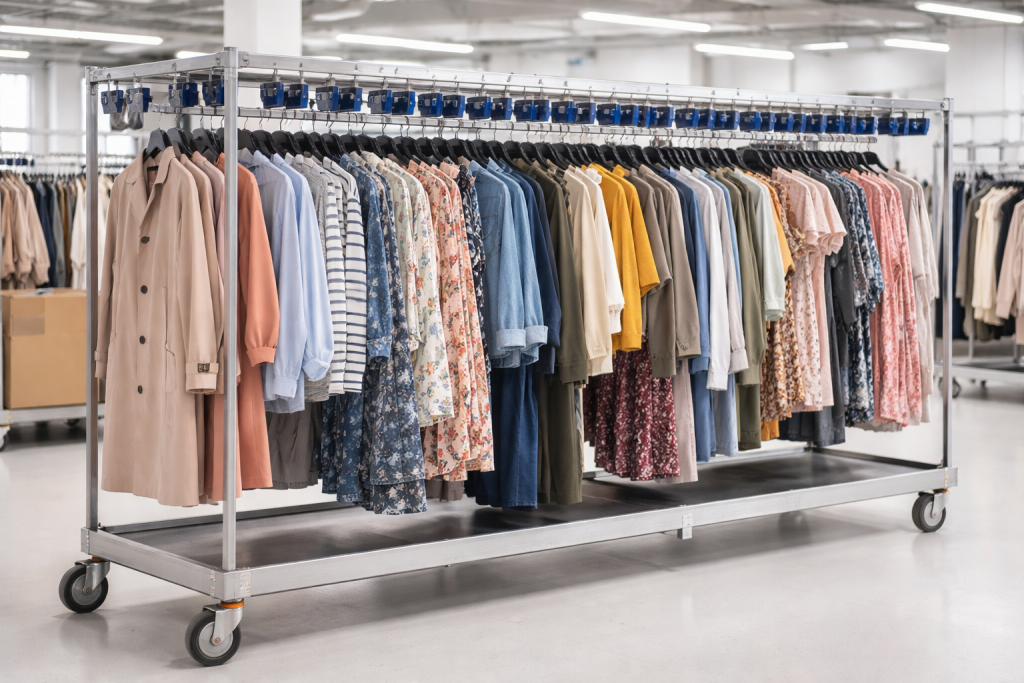
India has been a major apparel production centre, fueled by suppliers specialising in fabric processing, yarn manufacturing, finishing services, etc. Apparel brands move from techpack designs to finished garments in a single geography. In fact, the country offers extensive creative and manufacturing capability for buyers in search of new apparel sourcing alternatives.
India’a apparel sourcing advantage
India is one of the largest apparel and textile exporters, having exported over $36 billion in apparel in FY2023-24 (India Ministry of Textiles/Export Promotion Council). Key markets like the EU, US, and the UK keep returning to India due to these factors:
- India accounts for 23-25% of the world’s cotton production (ICAC, USDA)
- There are over 8000 registered apparel exporters manufacturing a range of garments that includes basic apparel, design-intensive garments
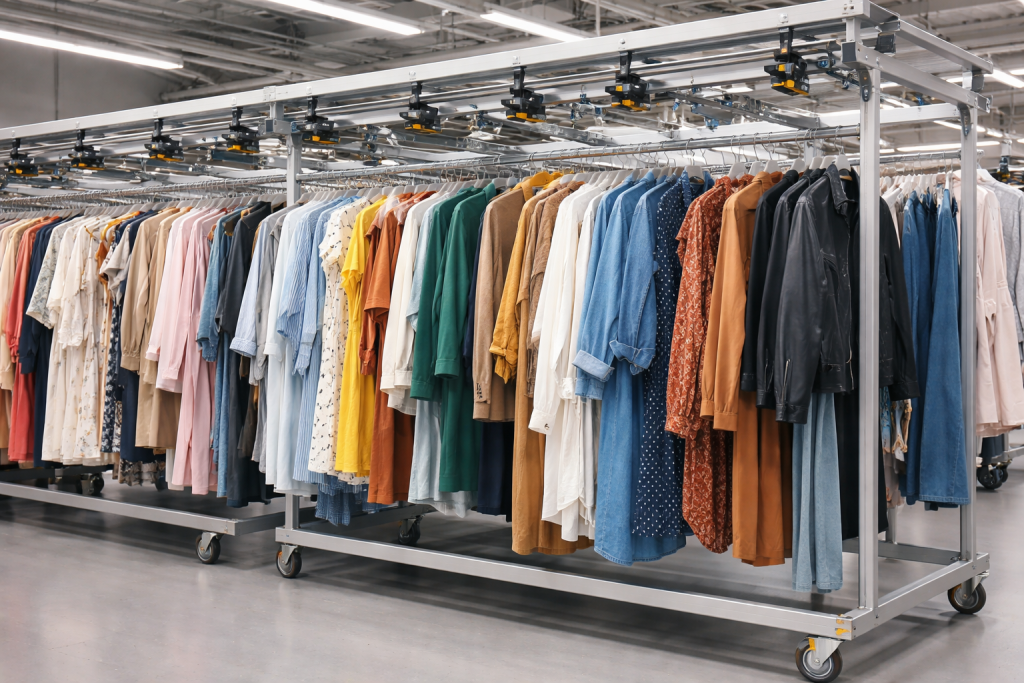
What sourcing teams look for in India
Apparel sourcing decision-making for global buyers comes down to these familiar factors: production timelines, supplier capability, quality assurance, and export experience. India’s apparel manufacturing sector has steadily built the systems and infrastructure to satisfy each of these expectations.
Several manufacturers that buyers encounter in this space frequently bring global compliance standards, quality control mechanisms, export logistics networks. This combination matters because it means that suppliers are equally familiar with global fashion demands and the operational side of the trade.
The attention that Indian craft traditions receives on the global scene reflects a pattern that the industry knows well. Traditional techniques generate creative inspiration, but the path to market runs through suppliers with genuine production experience. India’s apparel manufacturing sector has been on that path for a very long time, and for sourcing teams, it remains one of the stronger options in the global apparel manufacturing options available.

Leave a Reply