
Consider this: manufacturing isn’t just “Made in China” anymore but increasingly “Made in India.” Indian manufacturers are taking note, speaking confidently about quality, capacity, and reliability, earning their place among the top Indian exporters worldwide.
This blog unpacks India’s new role on the global manufacturing stage, through export data, strategic comparisons with China, and what the future holds for global buyers.
India’s Place on the Global Manufacturing Map
Backed by a new wave of manufacturers and B2B suppliers, India’s export ecosystem is expanding in both scale and sophistication, attracting long-term global partnerships.
It’s now the third most sought-after manufacturing destination globally, with ambitions to power $1 trillion in exports by 2030. India still makes up less than 3% of global manufacturing, quite a gap compared to China’s roughly 28%.
But programs like Make in India, PLI incentives supported increased investment in infrastructural developments, are helping Indian exporters and B2B manufacturers find their footing and expand capacity. Could this be the start of a bigger shift?
Next, let’s see how all this effort shows up in actual exports, from factories producing industrial goods to booming apparel hubs.
Industrial and Apparel Export Capacity
The strength of India manufacturers becomes clearer when you look at how diverse sectors, from apparel to industrial goods, are expanding their export reach:
1. Home Textiles
Exports of home textiles from India are showing healthy momentum. In July 2025, carpet exports moved up by more than 8 percent and jute products recorded over 26 percent growth compared to last year. These gains reflect India’s rising position as a strong supplier in the global home-textile market.
2. Apparels
India’s apparel exports grew 11.3 percent in May 2025. Many buyers in Europe and the US placed more orders with Indian factories. As sourcing shifts from China and Bangladesh, India is gaining ground as a reliable base for global clothing supply.
3. Industrial Manufacturing
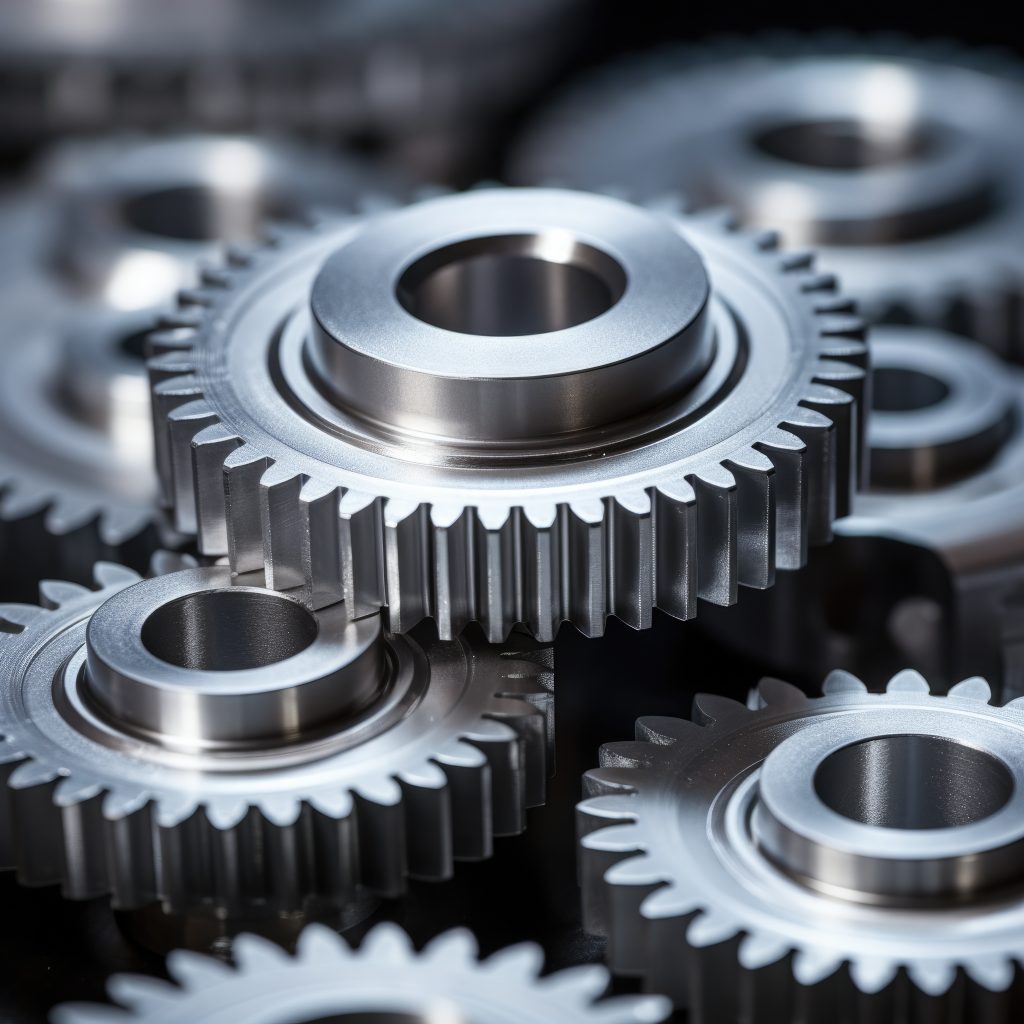
India’s engineering goods exports crossed USD 116 billion in FY 2024–25. It is according to the Ministry of Commerce. This included machinery, electrical equipment, and transport parts. Growth came from rising demand in the US and EU markets, showing India’s strength as a hub for industrial manufacturing and global engineering supply chains.
4. Electrical Vehicle
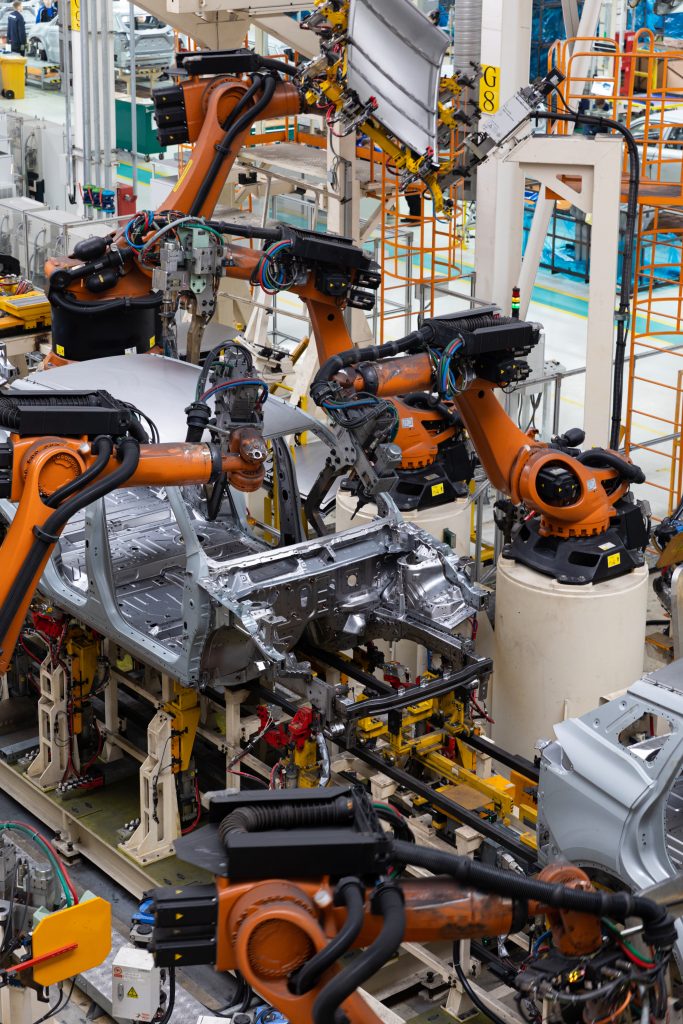
India’s electric vehicle exports reached INR 21,391.40 lakh in 2023, up from INR 7,988.62 lakh in 2022. Most shipments went to Nepal and countries in Europe such as France and Germany. Tata Motors drove the growth with models like Nexon EV and Tiago EV, while Mahindra, MG Motor India, Hyundai, and Hero Electric also contributed.
5. On-Demand Manufacturing for Apparel
Indian manufacturers are increasingly offering on-demand production for apparel. This model supports international buyers seeking flexible, low-inventory sourcing. Factories can produce limited runs or fulfill immediate orders, helping global brands reduce waste, respond to trends quickly, and expand their exports efficiently.
Combined, these examples highlight how Indian exporters merge flexibility, innovation, and scale to meet growing global demand. With this export momentum in mind, let’s evaluate how India stacks up against China for sourcing decisions.
India vs. China Sourcing Considerations Scale & Infrastructure
China still dominates in scale, logistics, and supply chain integration. India’s infrastructure is improving through PM Gati Shakti, industrial corridors, port modernization giving B2B manufacturers and Indian suppliers better access to export markets, though speed and integration still have room to grow.
1. Cost, Quality & Risks
India offers competitive costs, rising quality standards, and lower regulatory risks, making it a smart diversification choice. Programs like PLI, while under-implemented, and smarter digital procurement systems are slowly bridging gaps. For buyers, this means Indian manufacturers can deliver competitive costs and rising quality without the heavy risk exposure seen in some other markets.
2. Trade & Policy Environment
China still has the edge when it comes to infrastructure, but India has some clear advantages. India has a lot going for it , a young workforce, some clear rules, and programs like PLI and Make in India. Still, paperwork and trade hiccups can slow things down. Buyers need to weigh both sides. That is why some investors look to Vietnam instead.
3. Practical Value
India stands out for unique goods like handcrafted items and pharma, while China excels in high-volume tech mass-production. A smart strategy? Combine both: tap India for resilience, quality, and cost; lean on China for scale where needed.
Now, how can global buyers tap into India’s potential as a sourcing hub for the future?
Future Growth Outlook for Global Buyers
Global buyers should watch India’s trajectory with optimism and strategy:
1. How about a mixed approach?
Many buyers now try an “India + China” model — spreading orders across both to keep costs in check while cutting risk.
2. Where should the spotlight be?
India’s clear wins are in textiles, pharma, electronics, solar, autos, and semiconductors. Government schemes like PLI are meant to give these sectors an extra push.
3. What about policies?
Programs such as Make in India and infrastructure upgrades can speed things up, but buyers need to keep an eye on how roll out.
4. Where to find the right partners?
Finding the right partners is key. Working with trusted B2B manufacturers through platforms like rivexa helps global firms ensure transparency and compliance from day one.
5. Be ready for differences.
Conditions vary from one region of India to another. Some areas are easier to operate in, others less so. So sourcing plans should match the ground reality.
Key Takeaways
- Can Indian manufacturers truly stand on the global stage? It’s hard for buyers to ignore India right now, with exports moving up and top Indian exporters clearly pushing harder across industries.
- Export capacity across Indian manufacturers is surging, especially in home textiles, apparel, industrial components, semiconductors etc., positioning India’s B2B manufacturing base for steady global growth.
- Global buyers are increasingly weighing the India vs, China factor; navigating cost, infrastructure, regulatory ease, and risk diversification..
Conclusion
With Indian manufacturers scaling production and top Indian exporters expanding reach, India’s role as a reliable B2B manufacturing hub is now proven by increasing export volumes, strategic industrial growth, and a policy-led push toward self-reliance and scale.
While China’s dominance remains formidable, India’s maturation as a sourcing alternative is no longer speculative. For global buyers eyeing resilience, diversification, and access to emerging demand markets—India is a compelling, ever-more-relevant partner.
Indian suppliers are redefining the way global businesses source—delivering efficiency, compliance, and quality. Backed by mjunction Services Limited, rivexa is your digital co-pilot, streamlining supplier discovery, digital production monitoring, and delivery.
Start sourcing smarter, register for free and connect with verified Indian manufacturers on rivexa today.
Got questions? Reach out to the right sourcing team for your category. Contact rivexa now!

Leave a Reply