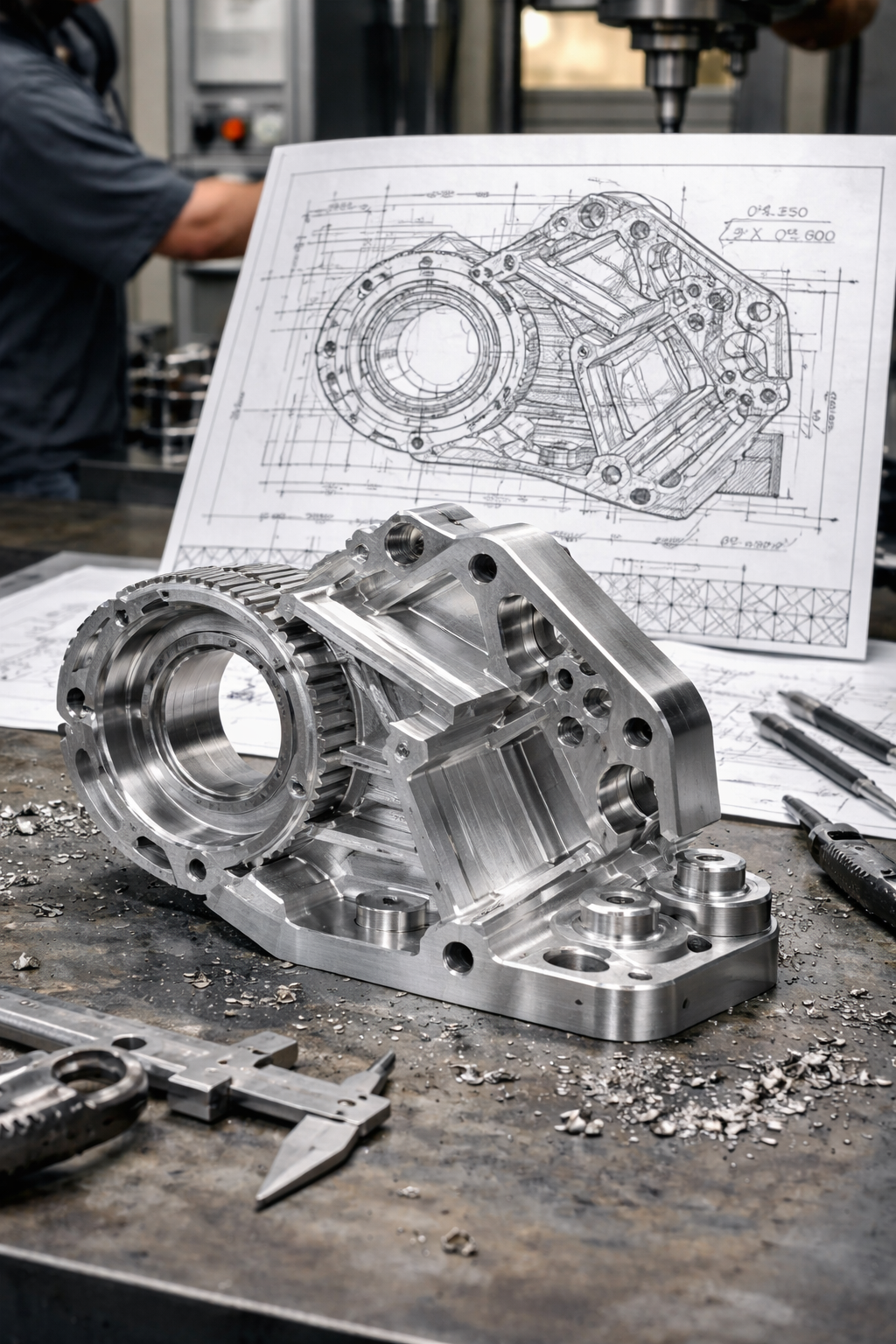
The GCC is advancing its industrial agenda at a faster pace. National initiatives such as Saudi Vision 2030 and the UAE’s Operation 300bn are driving investments in automotive, steel, energy systems, water infrastructure, and advanced industrial manufacturing. As this transformation gathers pace, procurement and engineering leaders face a common challenge: finding manufacturing partners that deliver reliability, engineering depth, and long-term value, not just competitive pricing.
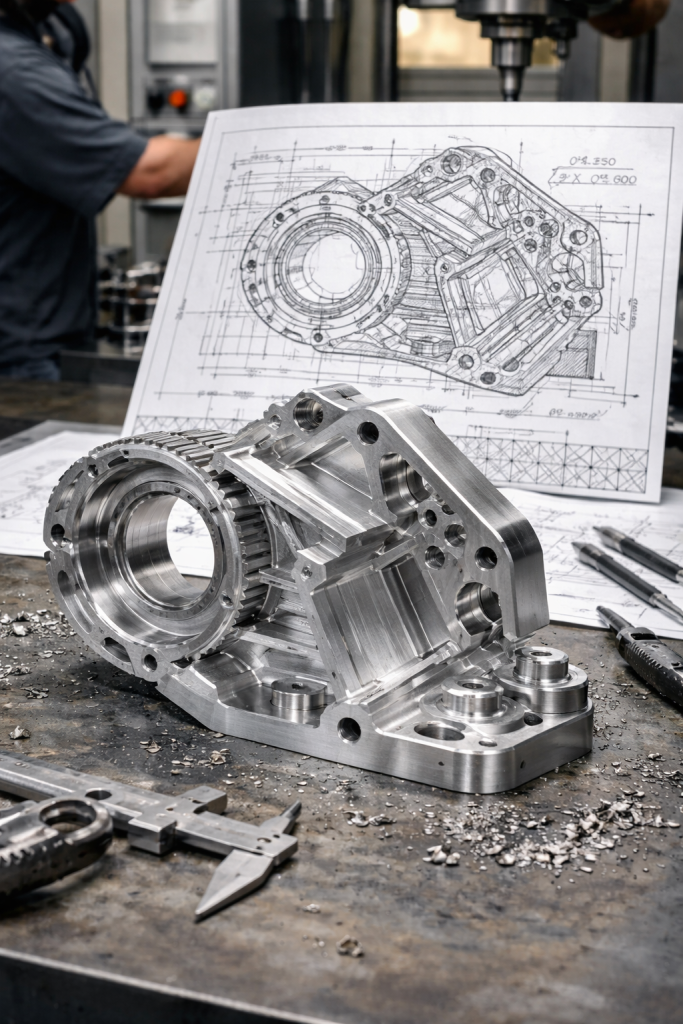
India is stepping into this position with growing relevance. Once viewed primarily as a low-cost sourcing destination, India has evolved into a globally trusted base for custom manufacturing and engineering-led production. Through its scale, technical capability, and export readiness, India has strengthened its role in global industrial supply chains.
Long-standing trade ties, shared business values around transparency and continuity, and a strong engineering culture have created a foundation of trust, positioning India as a natural partner for the GCC’s next phase of industrial growth.
India’s industrial depth is no longer a secret
India’s engineering sector has reached a level of maturity, as evidenced by its export performance. According to the Engineering Export Promotion Council of India (EEPC), engineering exports reached a record USD 116.67 billion in FY 2024-25. India’s custom manufacturing strength is visible across multiple industrial segments relevant to GCC buyers:
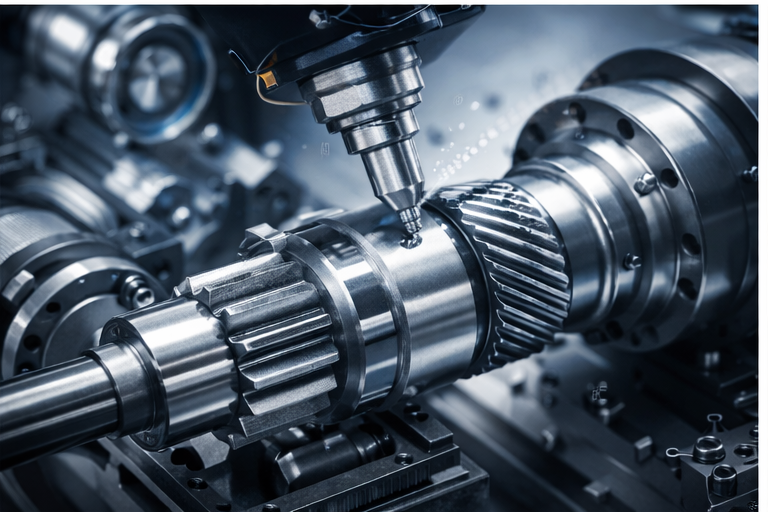
The country’s strength lies in its ability to support complex, custom manufacturing rather than only standardised products. This expertise is especially relevant for GCC industrial sectors, where specifications vary, and engineering input matters as much as throughput. This capability aligns closely with the needs of industrial engineering projects, plant upgrades, and specialised equipment component sourcing across the GCC.
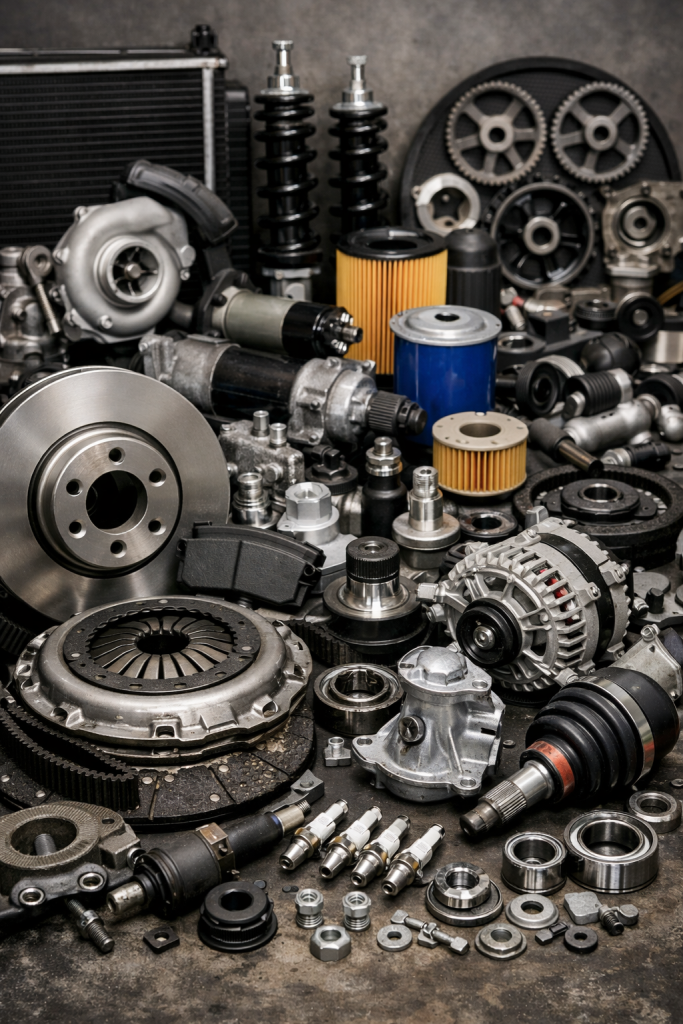
1. Automotive and mobility-linked manufacturing
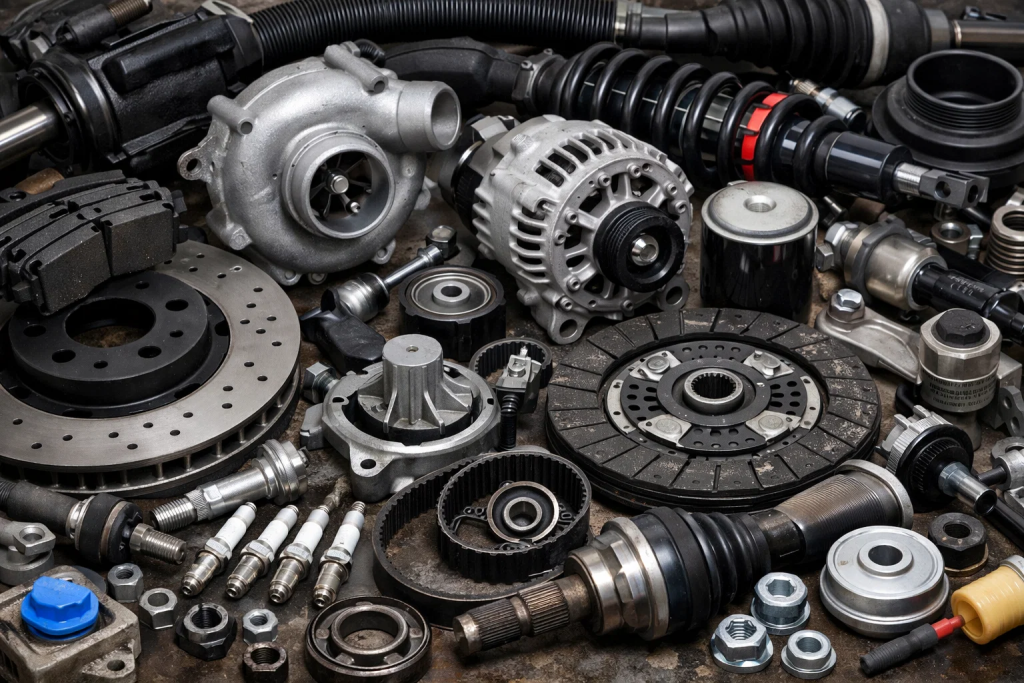
India is the world’s third-largest automobile market, supported by a deep component ecosystem that extends beyond vehicles into industrial applications requiring machining, forging, casting, and assembly capabilities.
2. Fluid power, pumps, fluid handling components, valves
Indian suppliers have long served global oil and gas, water treatment, and desalination projects, building deep expertise in fluid-handling systems critical to GCC infrastructure.
3. Steel, casting, and heavy engineering
Large industrial clusters support the production of custom-engineered components for process industries, power generation, and industrial machinery.
4. NDA and IP-compliant export-led manufacturing
India operates within internationally recognised IP frameworks and is a member of the World Intellectual Property Organisation (WIPO). It is also compliant with the WTO’s TRIPS Agreement, which sets the minimum standards for the protection of industrial designs, technical drawings, and trade secrets in cross-border commerce.
Trade access makes India commercially closer to the GCC
Trade access and cost predictability are as important as manufacturing capability. The India-UAE Comprehensive Economic Partnership Agreement (CEPA) has reduced or eliminated duties across a majority of tariff lines for engineering and industrial goods.
For UAE-based buyers, this improves landed-cost competitiveness and simplifies cross-border procurement, especially when combined with established shipping routes between India’s west-coast ports and hubs such as Jebel Ali and Dammam.
Where sourcing complexity still exists
Despite these advantages, sourcing custom components from another country can still feel operationally complex. For procurement teams, concerns often centre on supplier reliability, quality, consistency, production, timelines, and documentation, which can slow decision-making, particularly for custom components.
For GCC buyers looking to access India’s engineering capabilities, sourcing platforms such as rivexa offer a practical access layer. By connecting buyers with verified, export-ready Indian suppliers and supporting drawing-based engagement and coordination, such marketplaces help reduce uncertainty. The result is not faster sourcing at any cost, but clearer visibility and more predictable execution.
Building long-term industrial partnerships
Procurement thinking in the GCC is taking a new direction, indicating a broader reassessment of how industrial sourcing is approached. Procurement leaders are no longer focused solely on unit cost. Predictability, transparency, and partnership now carry equal weight.
With its combination of engineering talent, industrial scale, and growing trade integration with the GCC, India is well-positioned to be a long-term manufacturing partner.
Marketplaces like rivexa act as sourcing copilots, helping translate this potential into structured, manageable sourcing experiences. The opportunity for GCC businesses is clear. This is not just about sourcing components, but about building durable industrial partnerships that support the region’s next phase of industrial growth.

Leave a Reply