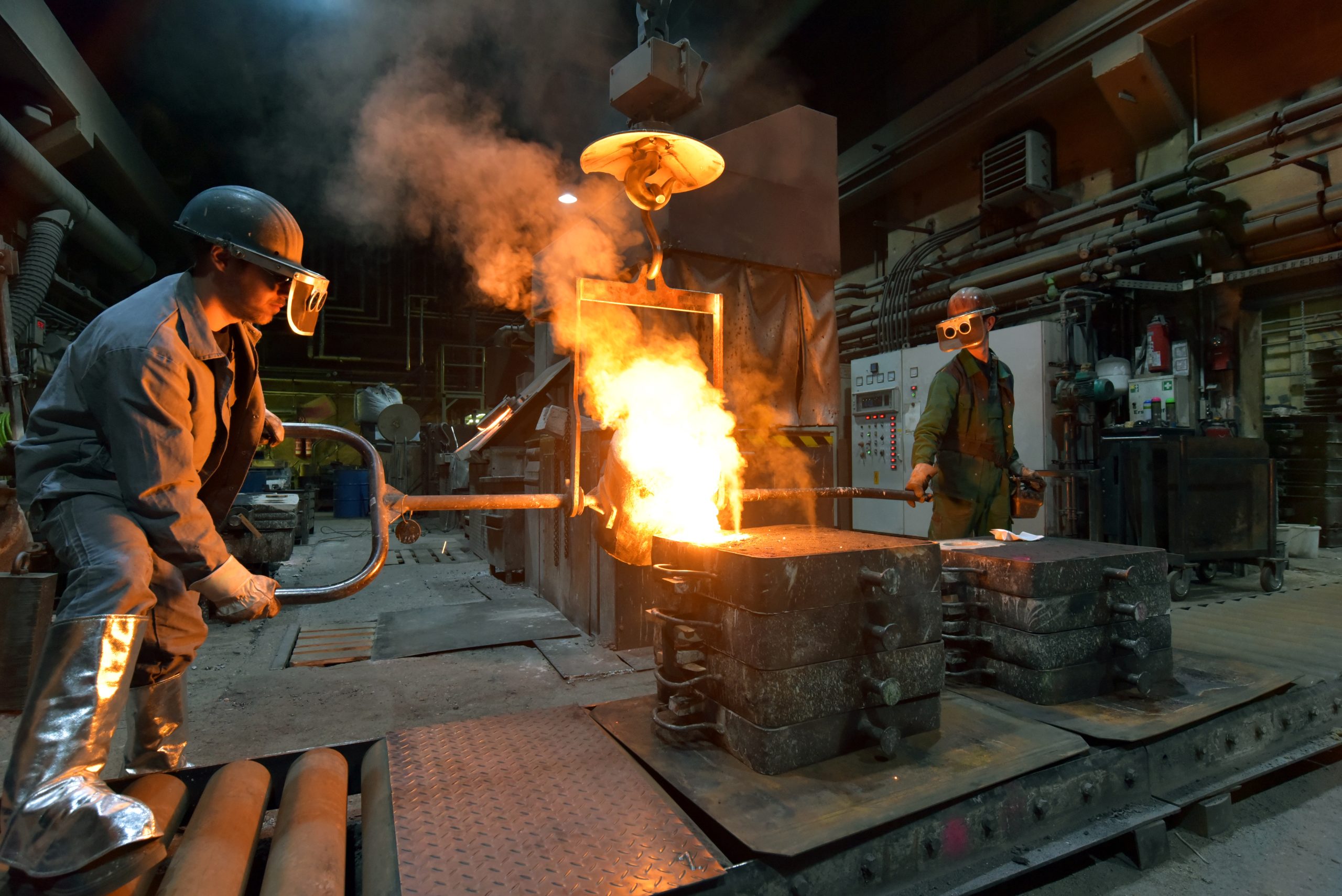
High-performing products are not defined by design intent alone but by how effectively that intent translates into repeatable, manufacturable outcomes. Early technical input from experienced casting managers ensures alignment between component design, process capability, and material behaviour. For global buyers, this approach supports long-term execution reliability by reducing downstream variability and strengthening control across the sourcing lifecycle.

The strategic reality: why manufacturing-first thinking wins
Industrial manufacturing research shows that early design decisions introduce a disproportionate share of cost, quality, and delivery risk. Yet many sourcing programmes still treat manufacturing considerations as a downstream activity.
In contrast, buyers adopting a design-for-manufacturability-led sourcing approach engage capable casting manufacturers earlier to validate material selection, tolerances, and process suitability before production commitments are made.
Deloitte research indicates that early supplier involvement can reduce design cycles by 30 to 50% while improving time to market and production stability (Deloitte Insights, Early Supplier Involvement: Improving Product Development Outcomes).
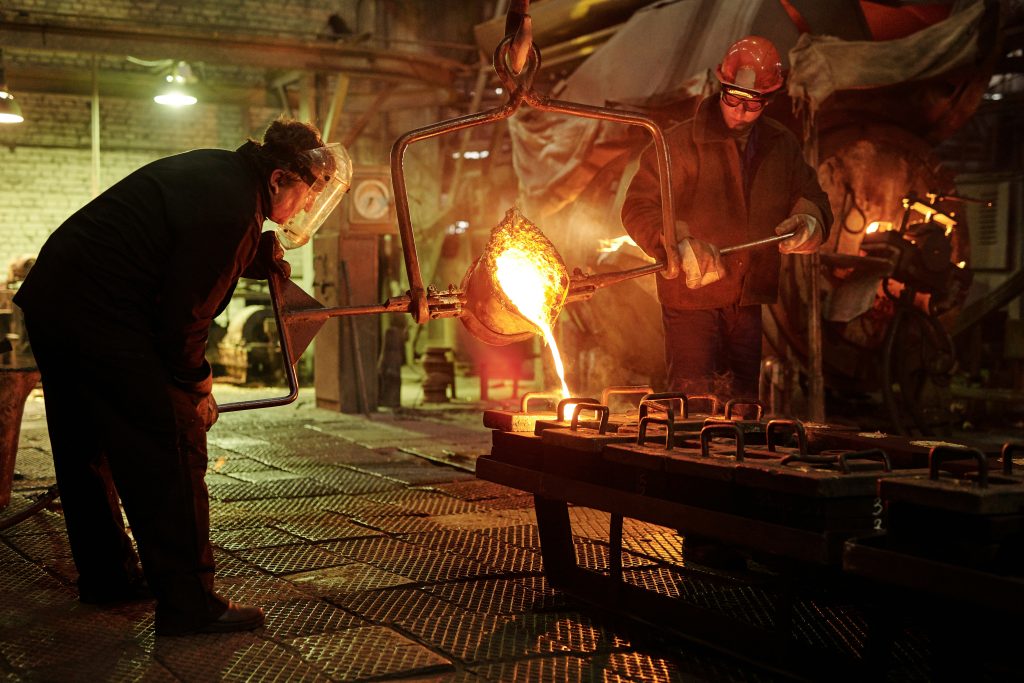
This approach is particularly relevant when sourcing from India, where a large base of export-oriented casting manufacturers combines engineering depth with established quality and compliance systems. By integrating manufacturability feedback earlier in the sourcing process, global buyers can reduce avoidable delays, limit late-stage design changes, and achieve more predictable commercial and operational outcomes across complex casting programmes (World Bank, India Manufacturing Competitiveness and Global Integration).
The intelligence gap in traditional sourcing models
In many sourcing programmes, component designs are finalised in isolation and only later assessed against manufacturing constraints. This sequencing exposes buyers to avoidable execution risk once production begins.
McKinsey estimates that 60 to 80% of a product’s total cost is determined during the design phase. When manufacturability considerations are introduced late, corrective actions often require redesign, requalification or schedule trade-offs that directly affect commercial performance.
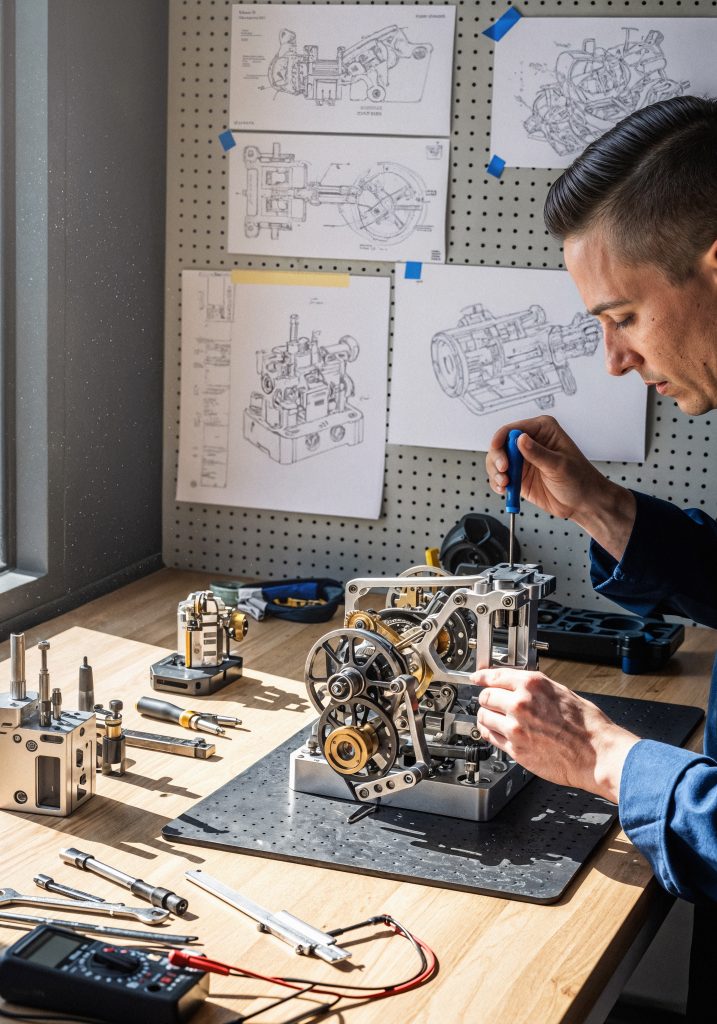
1. Beyond CAD files: manufacturability readiness in casting programmes
Computer-aided design (CAD) systems produce functionally sound designs, but functional accuracy does not necessarily translate into manufacturability. Buyers consistently encounter designs that satisfy performance criteria in simulation but fail to account for casting constraints, material behaviour, tooling limitations, and process variability during actual production.
Deloitte research identifies insufficient early supplier engagement as a primary driver of engineering change orders in industrial manufacturing, representing up to 40% of late-stage design modifications.
Casting manufacturers help validate design-to-process alignment by confirming whether engineering assumptions match production capabilities. Early technical engagement improves feasibility assessment and first-pass yield while reducing late-stage corrections.

2. The multiplier effect of early manufacturing alignment
Tolerance errors, material designation mistakes, or tooling limitations embedded during design phases cascade through production sequences, quality validation cycles, and assembly integration points.
World Economic Forum analysis establishes design-manufacturing misalignment as a leading cause of accumulated schedule delays and quality and consistency in multi-tier supply networks. For casting applications, seemingly minor variations affect dimensional position, machining tolerances, and component strength, substantially increasing downstream rejection and rework.
Mature procurement organisations recognise that upstream manufacturability validation delivers structural advantages in schedule stability and execution control. Integrating casting manufacturers into initial sourcing phases reduces interface friction, enhances production schedule stability, and improves programme adaptability. This orientation repositions sourcing from reactive problem management to proactive lifecycle execution control.
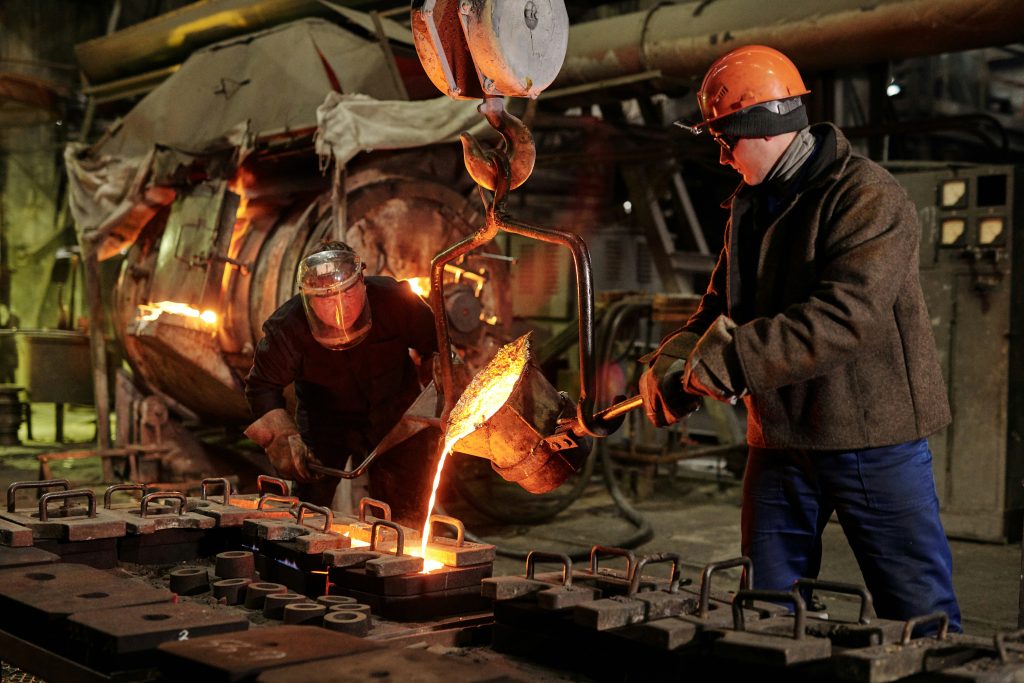
Syncing DFM & casting manufacturers
1. Capability-led supplier alignment
In mature procurement environments, sourcing decisions increasingly hinge on whether a supplier’s production capabilities align with the component’s technical intent, rather than on price alone. For casting programmes, this requires a disciplined assessment of foundry processes, metallurgical control, tooling competence, inspection systems and scalable capacity.
Industry research identifies early supplier-design misfit as a major contributor to execution risk in engineered components. Buyers who evaluate manufacturability at the supplier selection stage achieve higher schedule adherence and more stable quality outcomes across production cycles.
2. Upfront supply feasibility and execution planning
Addressing manufacturability prior to commercial release also enables more accurate execution planning. During this phase, buyers and casting manufacturers can establish realistic production lead times, confirm material availability, and align inspection criteria with achievable process outcomes.
The World Economic Forum highlights early technical alignment between buyers and suppliers as a critical factor in reducing supply chain disruption for industrial components.
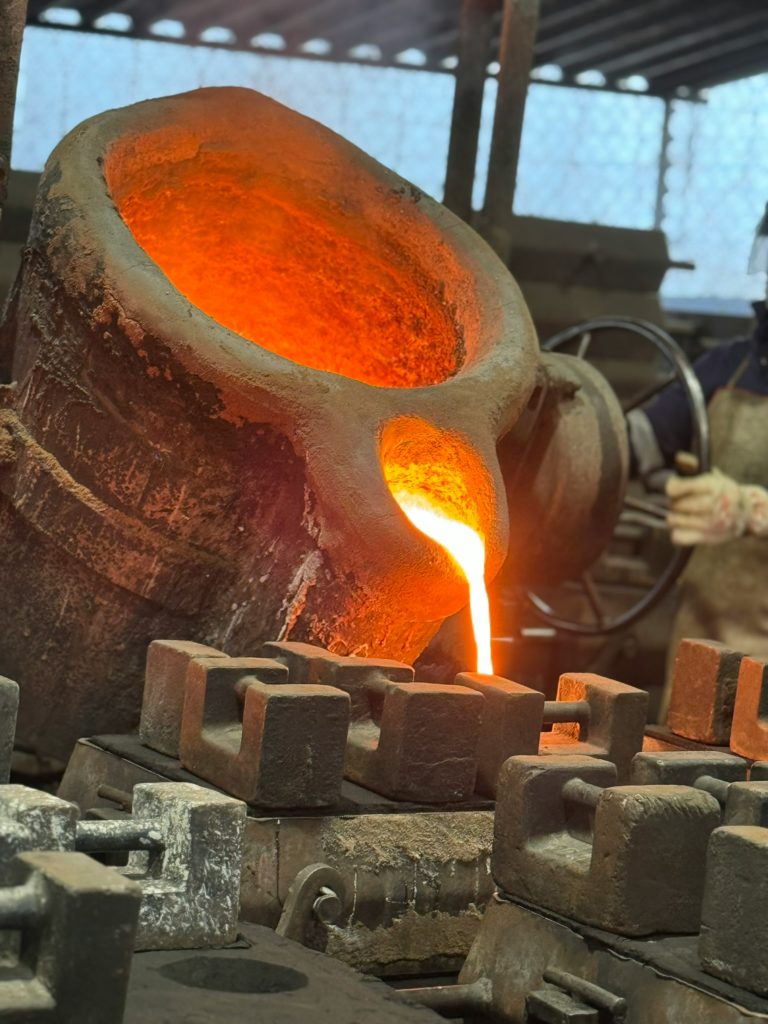
Maintaining this level of foresight in casting programmes supports smoother tooling ramp-up, clearer quality acceptance standards, and fewer production interruptions once orders are placed. Indicative outcomes observed when manufacturability is addressed early include:
| Challenge | Traditional | With early manufacturability input | Your Advantage |
|---|---|---|---|
| Redesign cycles | 2-3 | 0-1 | 60–80% faster to market |
| Material choice | Standard | Optimized | 15–25% lower material cost |
| Production readiness | 4–8 weeks | 1–2 weeks | 70% faster ramp-up |
| Defect rate | 5-10% | <2% | 80% quality improvement |
| Part Complexity | Industry Avg. | With DFM-led sourcing | Performance Gain |
|---|---|---|---|
| Simple (0–10 features) | 85% success | 98% success | +15% |
| Medium (11–25 features) | 65% success | 92% success | +42% |
| High (25+ features) | 35% success | 87% success | +149% |
Integrating DFM principles to streamline sourcing from India
When global buyers and procurement professionals integrate DFM principles during initial sourcing phases, India-based supply chain operations demonstrate markedly improved discipline and predictability.
1. Clear technical framing at the start
Successful sourcing programs begin with disciplined technical framing. Buyers who define drawings, material grades, quality expectations, volumes, and delivery assumptions upfront reduce ambiguity during supplier evaluation.
In the Indian casting ecosystem, where suppliers operate across multiple process routes and capacity scales, this clarity enables faster feasibility assessment and more comparable questions. Industry analyses consistently show that incomplete technical inputs are a primary driver of quotation variance and downstream engineering revisions in offshore manufacturing programmes. With manufacturability factored in at the specification stage, sourcing discussions focus on execution rather than correction.
2. Early technical review with casting manufacturers
At the point of drawing release for sourcing, buyers have the opportunity to incorporate casting manufacturers earlier in the evaluation of material choices, tolerance parameters, and process requirements. Technology-enabled tools augment this interaction by surfacing many manufacturing risks ahead of production execution. This dual mechanism produces rapid, analytical feedback that balances specification precision with operational practicality.
Engineering tools are increasingly used to support these reviews by highlighting potential production constraints in advance. McKinsey and Company notes that technical alignment with suppliers can reduce engineering change orders by up to 40% in complex manufactured components.
3. Quotations informed by production reality
When manufacturability considerations are surfaced during quotation, commercial discussions extend beyond unit price. Casting manufacturers may propose material alternatives, tolerance rationalisation, or process adjustments that preserve functional intent while improving production stability.
This approach is particularly relevant in India, where suppliers offer a wide range of casting processes and methodological options. Incorporating manufacturability input during sourcing helps buyers avoid later cost escalation and sharing risk. The World Economic Forum highlights that sourcing decisions grounded in production feasibility demonstrated lower lifecycle cost volatility and higher first pass yield.

Manufacturing intelligence as a competitive edge
Manufacturing intelligence increasingly differentiates procurement organisations that scale reliability from those that manage issues reactively. Industry studies indicate that only alignment between design intent and manufacturing capability can reduce the total cost of ownership by 15 to 20% over the product life cycle.
For research and development and procurement teams, this intelligence shortens learning cycles. Design assumptions are tested earlier, supplier feedback becomes more structured, and component sourcing decisions rely less on escalation-driven correction.
In markets such as India, where manufacturing spans multiple casting processes, capacity tiers, and metallurgical routes, this capability is particularly valuable. Buyers who apply manufacturing intelligence systematically are better positioned to compare suppliers objectively, qualify alternates efficiently, and scale production without reintroducing execution risk.
What’s next: From reactive to strategic
Production-ready supply chains require early manufacturability alignment with qualified casting partners. Rivexa provides structured access to India’s casting ecosystem, ensuring execution certainty while maintaining your functional specifications. Connect with rivexa today!

Leave a Reply