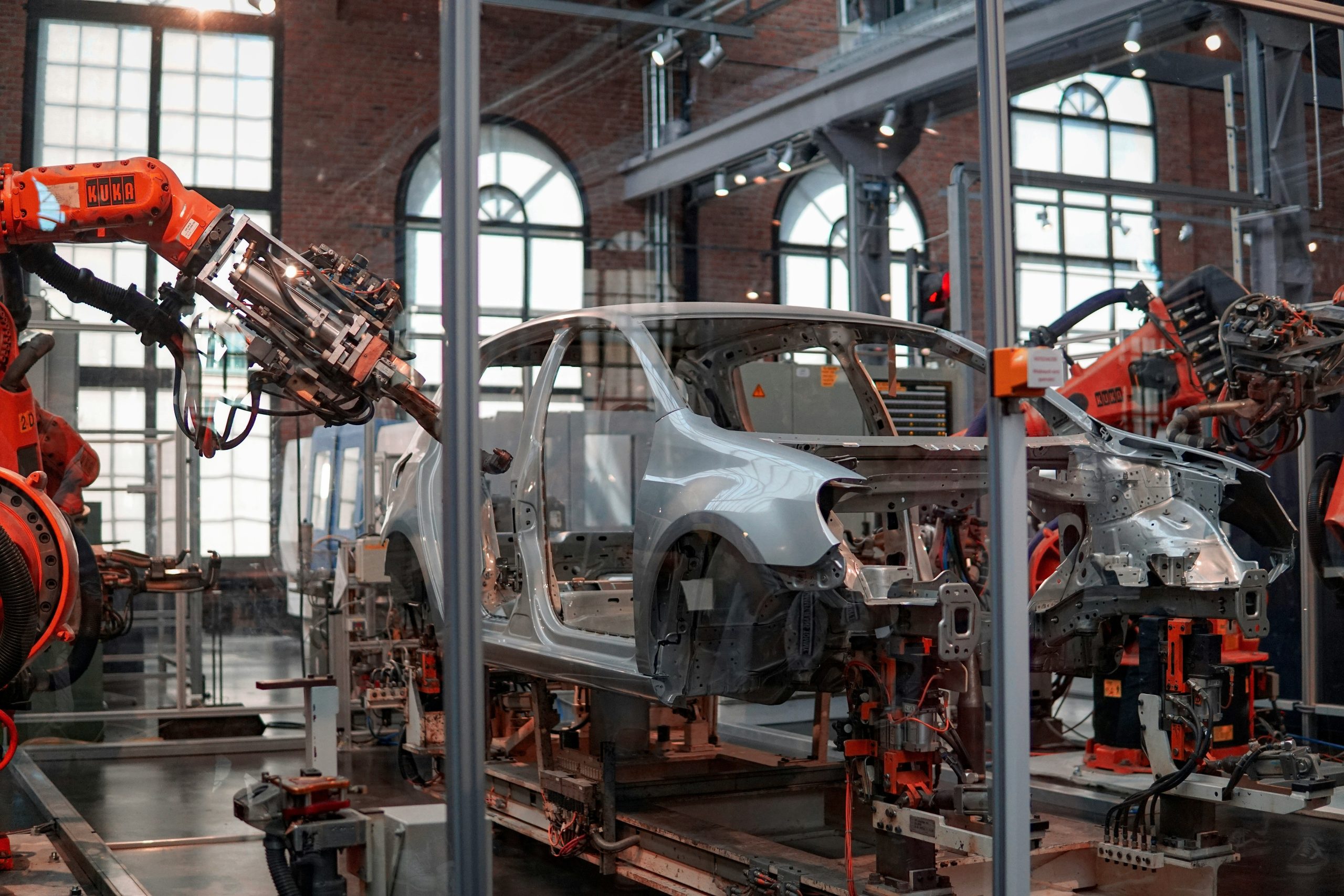
Over the past few years, global automotive supply chains have undergone a fundamental realignment. Prolonged shipping disruptions, rising material costs, and overdependence on East Asian manufacturing have led OEMs to diversify their sourcing bases. This shift has accelerated India’s position as a competitive and resilient hub for component manufacturing.
Automotive component exports from India reached USD 22.9 billion in FY 2024-2025, marking an 8% year-on-year increase, as reported by the Automotive Components Manufacturers Association (ACMA). This contributed to the overall sector turnover of USD 80.2 billion. The industry also recorded a USD 453 million trade surplus, signalling growing global competitiveness and enhanced localisation depth (ACMA, FY 2024–25 Industry Performance Review).
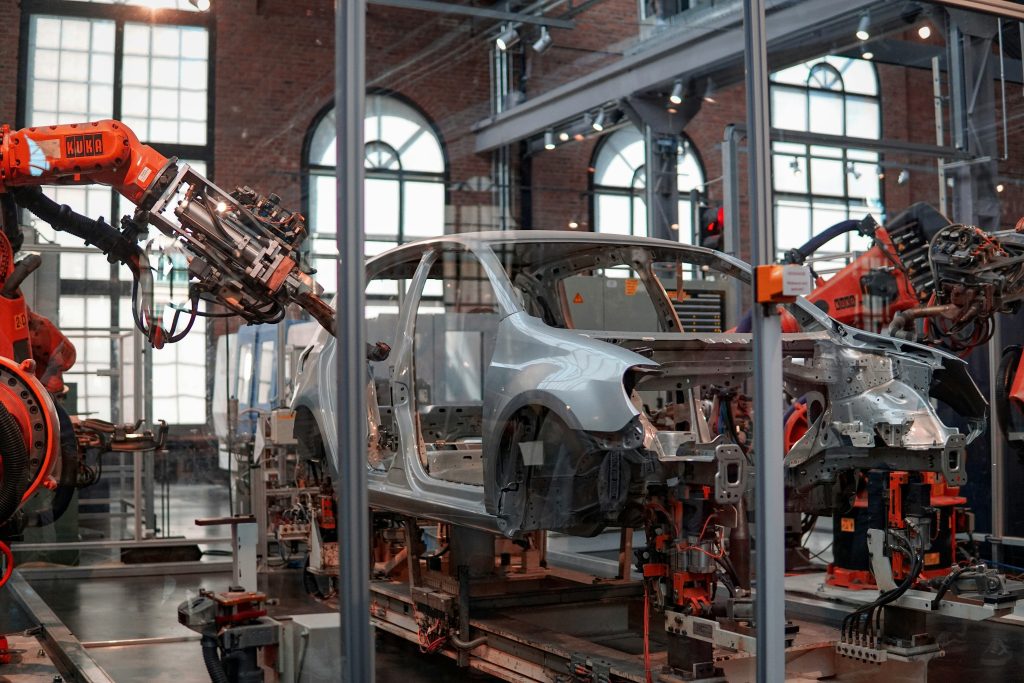
India’s automotive components exports: growth beyond volume
Core export categories include drive transmission, steering systems, engine components, suspension assemblies, braking systems, and body structures. This mix represents a movement toward higher-value automotive systems that meet OEM specifications globally, not simply volume exports.
| Category | FY2024-25 Result | YoY Growth | Additional Insights |
| Sales to OEMs | ₹5.70 lakh crore | +10% | Driven by an 8% rise in vehicle production and higher value-added components, growth is supported by a market shift toward larger and higher-powered vehicles. |
| Exports | USD 22.9 billion (₹1,92,346 crore) | +8% | Regional export share: North America 32% (+8.4%), Europe 29.5% (−2.1%), Asia 26% (+15.1%). Key export categories include drive transmission & steering, engine components, suspension, braking, and body/chassis parts. |
| Imports | USD 22.4 billion | +7.3% | Asia accounts for roughly two-thirds of imports. Trade surplus of USD 453 million, up from USD 300 million in FY 2023–24, reflects improving localisation and competitiveness. |
| Aftermarket | ₹99,948 crore (USD 11.8 billion) | +6% | Growth driven by expanding used vehicle base, sector formalisation, and stronger rural demand supported by e-commerce penetration. |
India’s cost base has strengthened, especially with rising flat-steel capacity and auto-grade output from companies like Tata Steel. Tata Steel’s deliveries in India grew to 19.7 million tons in FY2025, with about 3.1 million tons coming from its Automotive and Special Products division (Tata Steel). The introduction of localised high-strength hot-rolled CP780 grades has quietly boosted the availability of materials for OEM programs that depend on a consistent supply of steel.
What makes this transition credible is the depth of India’s automotive manufacturing ecosystem, which today supports not only individual parts but complete systems across multiple vehicle platforms.
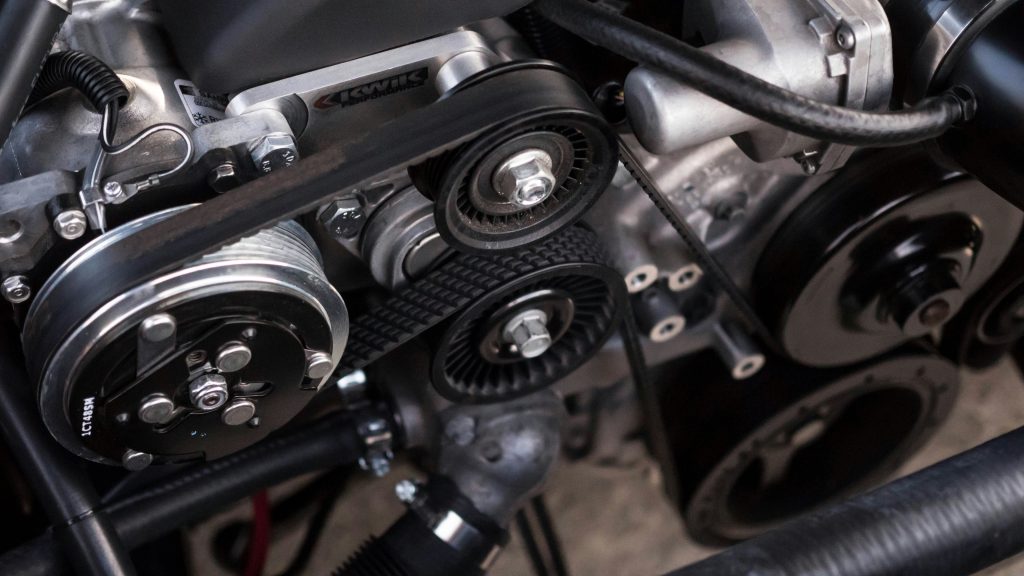
The manufacturing ecosystem behind India’s automotive components
The Indian automotive industry has grown into a far more capable and technology-driven manufacturing base than it was even a decade ago. It now spans an integrated manufacturing base that covers precision machining, casting, forging, sheet-metal fabrication, wiring harness assembly, and electronics production.
This layered capability means suppliers can deliver finished sub-assemblies rather than isolated parts, shortening engineering cycles and easing supplier coordination for OEMs (NITI AAYOG).
Engine components, along with drive and steering parts, account for more than half of export volumes (ACMA). Market conditions concentrate supplier density in a few established clusters:
- Pune/Chakan,
- Chennai/Sriperumbudur (Invest UP),
- the Gurugram-Manesar corridor, and
- Sanand in Gujarat (India Briefing)
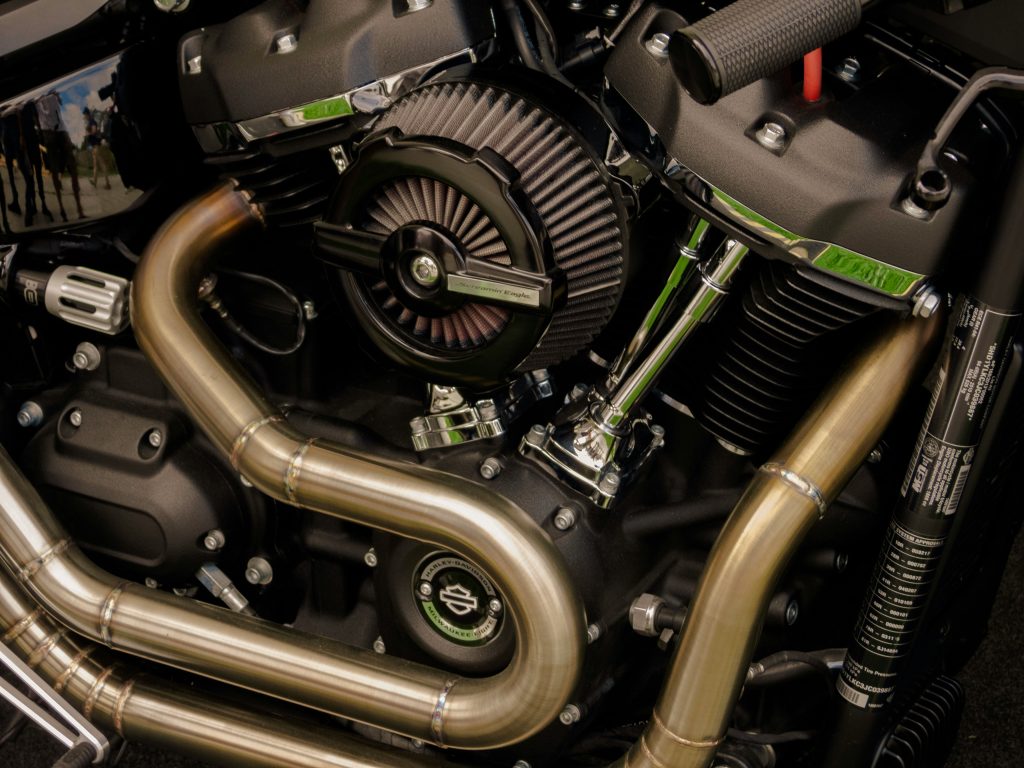
India’s export profile shows the country supplies core vehicle systems as well as peripheral components. ACMA reports that engine components, drive transmission items, and steering systems account for a substantial share of auto component exports (ACMA):
- Crankshafts
- Camshafts
- Gear assemblies
- Steering columns
Peripheral parts typically include:
- Brackets
- Housings
- Clips
- Other low-complexity fittings
International manufacturers, including Toyota (Autocar Professional), Hyundai, and Volkswagen, have established local supplier networks and export programs in India (The Economic Times), supporting both domestic production and outbound shipments to international assembly lines. That co-location of OEMs and suppliers helps align quality processes, PPAP/PPF assessment frameworks, and engineering change control across countries.
Policy & infrastructure: the Make in India momentum
Today, the Production Linked Incentive scheme for automobiles and automotive components drives the direction of the Indian automotive industry. This program has encouraged new investments specifically in advanced technology products, ranging from EV drivetrains to high-value performance parts.
By late 2024, the scheme had attracted over INR 25,000 crore in new investments, with a significant share directed toward EV drivetrains and advanced automotive components. Manufacturers are using this capital to build facilities that increase domestic value addition while meeting export-grade quality standards, supporting the requirements of global OEM supply programs.
| Name of Scheme | Budget Estimates 2025–26 (₹ Crores) |
| PLI Scheme for Automobiles and Auto Components | 2818.85 |
| PLI Scheme for Textiles | 1148.00 |
| PLI Scheme for Speciality Steel | 305.00 |
| PLI Scheme in Electronics Manufacturing and Hardware | 9000.00 |
India’s trade and logistics infrastructure has strengthened significantly, boosting exports. The India-UAE CEPA and other agreements with the UK and the EU have made international exports more predictable. For instance, there are fewer tariff barriers under the India-UAE CEPA. Custom procedures have also become smoother.
The reduction of duty across key categories of automotive components has helped Indian suppliers gain price competitiveness in the UAE. On the other hand, faster clearance processes have also reduced paperwork. For global OEM teams sourcing parts through the Middle East, this translates into steadier transit schedules and a more reliable flow of components.
Quality, compliance, digital manufacturing
The Indian automotive industry today is anchored by a supplier base that increasingly operates under IATF 16949, alongside ISO 9001 and ISO 14001 certifications. These certifications provide global OEMs with assurance that Indian manufacturing facilities meet the same quality management and environmental compliance as established by automotive hubs worldwide.
At the shop-floor level, PPAP (Production Part Approval Process) functions as a practical validation mechanism rather than a procedural formality. Suppliers execute production batches under real operating conditions to demonstrate that processes can consistently meet tolerance, standard quality, and volume requirements without corrective intervention.
APQP (Advanced Product Quality Planning), on the other hand, helps prevent programs from drifting later. It forces engineering, tooling, and quality teams to align early, reduce risk, and ensure the process is stable before customer deadlines tighten.
Several Indian plants have layered Six Sigma routines into their daily reviews. This helps client teams detect variation early and keep machining, welding, or moulding processes running within tight bands.
Industry 4.0, CNC machining, and safety-critical parts
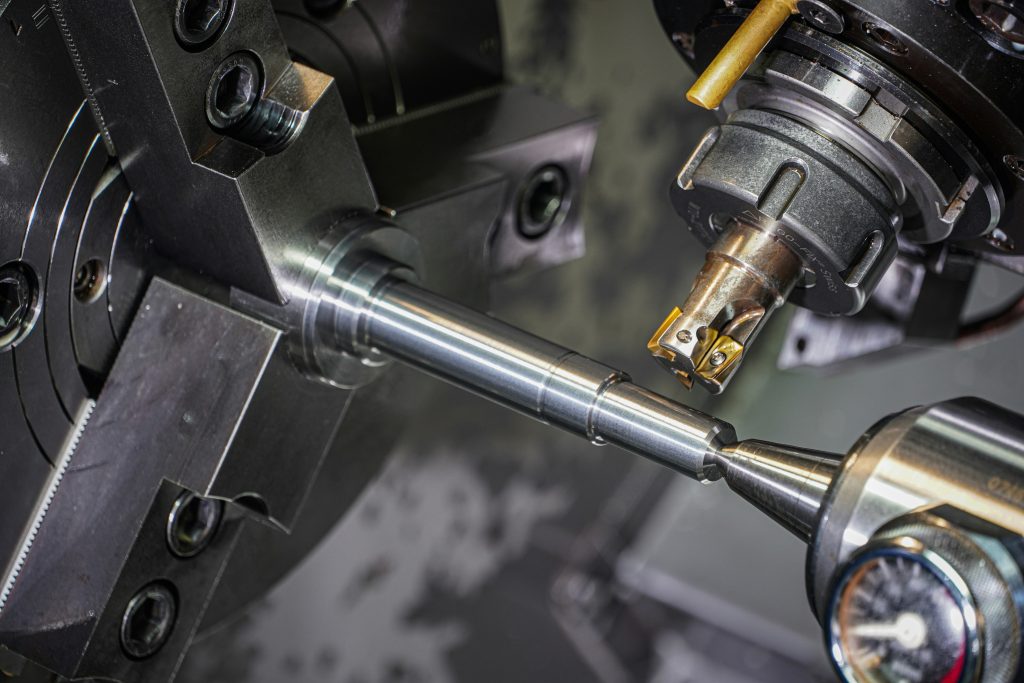
Across India’s manufacturing hubs, CNC machining has moved far beyond basic metal cutting. Plants now run multi-axis centres with in-process gauging, automated tool calibration, and real-time feedback loops that keep variation in check even on long production runs.
This upgrade enables suppliers to consistently machine safety-critical automotive components. These include brake housings, steering knuckles, precision housings, and transmission parts. All these components offer the tolerances global OEM programs demand.
According to recent data, India’s auto component sector revenue reached USD 80.2 billion in FY2025, with exports topping USD 22.9 billion. As the country pushes toward a long-term export target of USD 100 billion by 2030, this shift toward digital manufacturing and high-quality, safety-critical output makes India an attractive partner for global OEMs.
Why global buyers prefer India for sourcing automotive components
Global OEMs are increasingly turning to India for complex components because the Indian automotive industry offers a rare combination of factors. Suppliers, too, adhere to global quality and ESG standards. Many Indian suppliers collaborate digitally with the international procurement team on drawings, prototypes, and engineering updates. This approach significantly streamlines cross-border sourcing.
Logistics, talent, co-engineering
Currently, India exports automotive components to Europe, North America, Asia, and Africa, supported by container shipping and roll-on/roll-off networks for just-in-time delivery. Behind this efficiency is a massive workforce strengthening the Indian manufacturing sector. The country has skilled engineers and technicians ready to localise designs and support global research and development (R&D).
As EVs gradually capture the spotlight in 2025, India emerges as a strategic partner for OEMs worldwide thanks to its excellence in electronics and software-intensive components. Cost-competitiveness remains another defining factor in the country’s growing export numbers.
A global hub in motion
Every quarter spent delaying supplier diversification is a quarter competitors gain ground in cost structure and supply chain resilience. India’s manufacturing sector offers immediate ROI through reduced piece-part costs, shorter lead times compared to trans-Pacific routes, and access to engineering talent for design localisation.
The traditional barriers of supplier discovery and qualification, often months-long processes, are what sourcing marketplaces like rivexa are built for.
Procurement teams now have an easier way to access verified Indian manufacturers, manage RFQs, and source from India without dedicating internal resources to ground-level scouting.
When supplier diversification and cost predictability matter, rivexa helps you build the right manufacturing relationships in India. Connect with our sourcing specialists here.

Leave a Reply