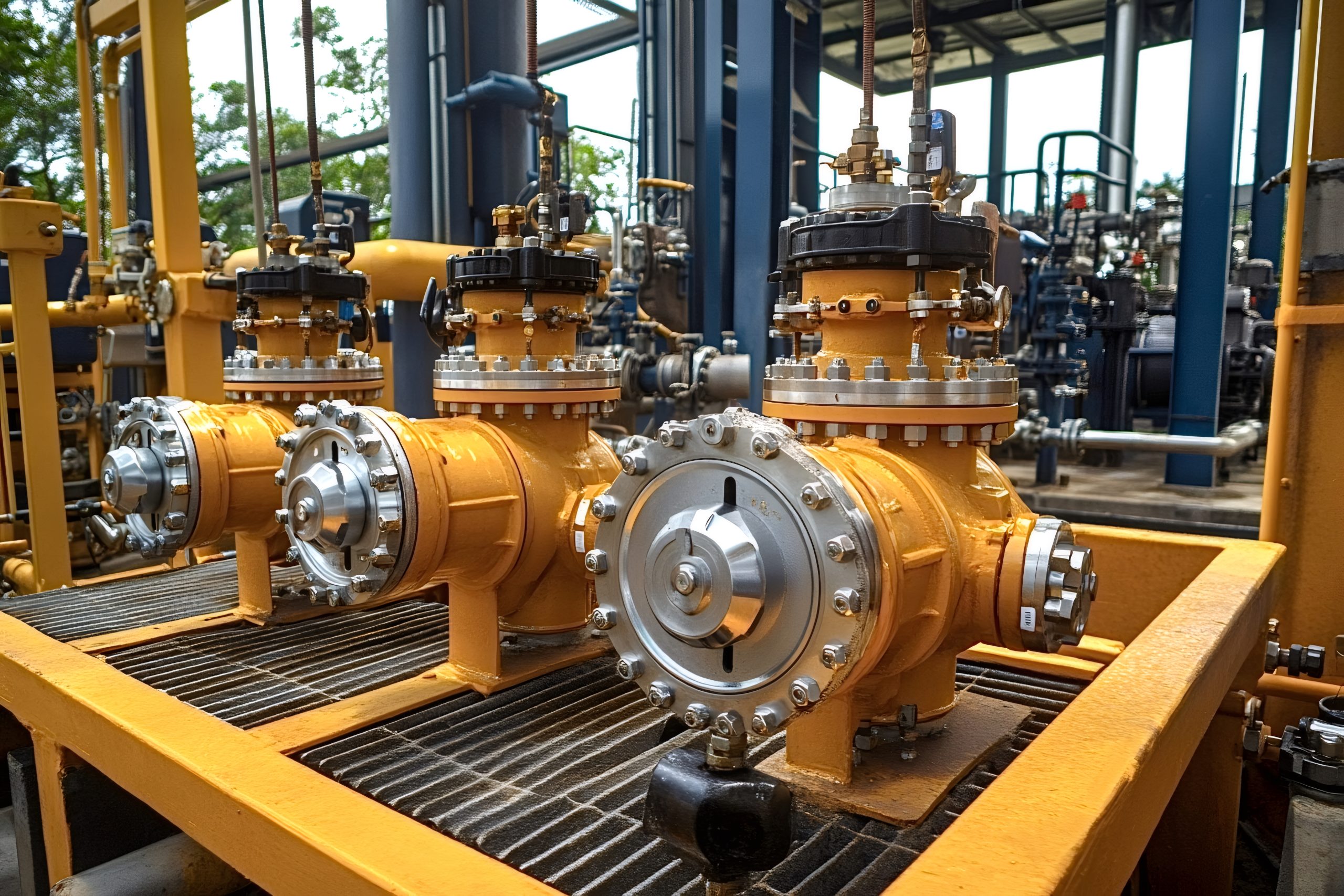
Global procurement leaders now balance fluctuating demand with tighter delivery windows. To maintain reliability, many are consolidating sourcing of core pump components and assemblies, such as impellers, volute casings, valves, flanges, and gaskets, through integrated digital sourcing or export marketplaces in India. This shift aligns cost efficiency with compliance-driven manufacturing. India’s industrial pump market stood at USD 0.97 billion in 2025 and projects a growth to USD 1.23 billion by 2030, representing a CAGR of 4.8%.
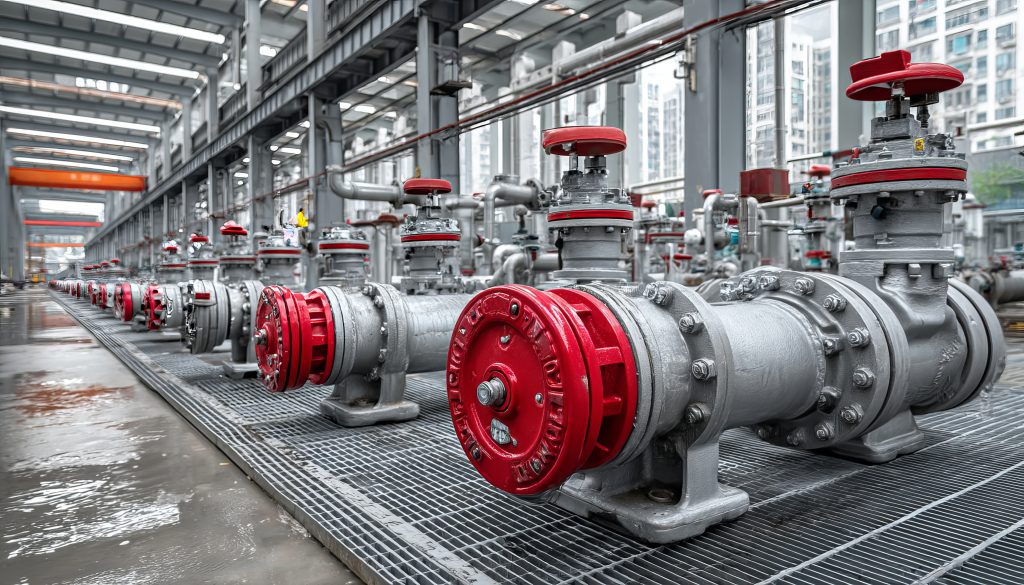
Factors driving change in pump components procurement
The change in procurement strategies for pump components is no longer abstract. It’s shaping procurement decisions for global importers.
1. Geopolitics reshaping sourcing of pump components
Diversified sourcing has evolved from a cost strategy into a core risk-control measure, as shifting trade policies and regional protectionism redefine supply priorities.
2. Data-driven procurement foresight
Procurement teams are using AI and analytics to spot disruption early, tighten forecasts, and move first when constraints appear.
3. ESG Policies
Compliance and transparency have now become entry criteria for global procurement programs. Suppliers must demonstrate verifiable ESG compliance, maintain transparent documentation, and follow disciplined production processes as standard practice.
4. Regional leadership indicates capacity
India’s Western manufacturing corridor accounts for 33% of the national pump market, driven by the industrial base in Maharashtra and Gujarat. Maharashtra contributes 13.8% of India’s industrial output and 30% of total FDI inflows.
This ecosystem provides buyers with diversified yet resilient sourcing nodes for centrifugal pump parts, enabling quick pivots during demand spikes or supply disruptions.
What buyers expect while importing centrifugal pump parts
Here’s what buyers look for when importing pump parts in international markets.
1. Speed and agility
Procurement teams increasingly link speed metrics directly to plant uptime KPIs and cost containment goals for sourcing pump components.
2. End‑to‑end visibility
Leaders want live status from RFQ through dispatch, including materials, inspections, logistics, and compliance. As a result, teams identify exceptions early and accelerate decision-making without fragmented communication.
3. Built-in risk resilience
Continuity can’t rest on one plant or lane. Teams expect pre‑qualified alternates, dual tooling, and clear changeover plans so a disruption becomes a reschedule, not a crisis.
4. Ecosystems over single vendors
Category depth and specialisation now define sourcing success for pump components, such as custom-fabricated skid frames, as procurement teams seek suppliers capable of handling full-process integration. A tiered bench by part and process, including casting, machining, balancing, and coating, supported by shared documentation and QA norms, provides options without requalification churn.
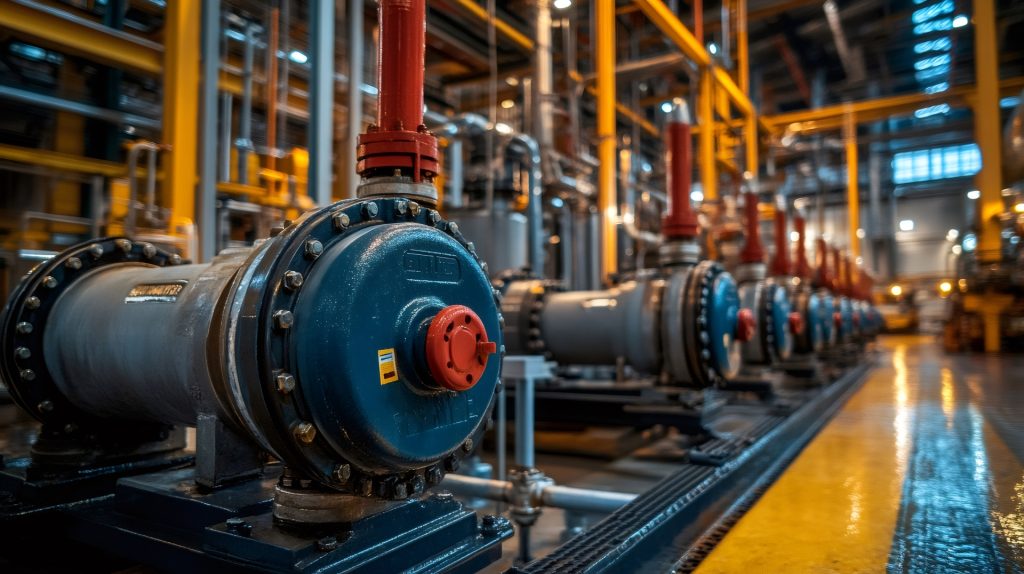
Strategic sourcing for pump components from India
In this phase, sourcing pump components becomes operational, supported by the processes that sustain continuity.
Focus on the component level
Procurement managers should segment impellers, casings, shafts, and bearings as independent sourcing streams. Each category operates under its own specifications, performance benchmarks, tolerances, and validation criteria. Even before you start discussing prices, align them based on:
- Materials
- Heat Treatment
- Balancing
- Surface Finishes
BOM rationalisation and modularity
Such modularity also simplifies MRO supply chains and minimises spare-part obsolescence across regions. Modular sub‑assemblies enable dual‑sourcing without requalifying the entire pump assembly.
Retrofit and efficiency cycle
Much of the infrastructure equipment in water, HVAC, and utility systems is now beyond its original lifecycle, driving upgrades rather than full replacements. Partner with pump components suppliers offering ready-to-install replacements, verified performance data, and reliable delivery. This approach minimises downtime, controls maintenance costs, and supports compliance and energy-efficiency goals.
Technology & process enablers procurement teams must prioritise
When sourcing centrifugal pump parts from India, procurement teams must leverage specific technologies to their advantage.
1. AI-enabled RFQs and fair bids
AI‑assisted RFQ tools help procurement teams align like‑for‑like offers and shorten sourcing cycle time without compromising commercial consistency.
2. Predictive analytics
Leading sourcing teams are already integrating supplier-side data and test logs to anticipate issues before failure thresholds are crossed. Sourcing marketplaces like rivexa enable this integration by connecting procurement teams to suppliers equipped with proven quality assurance systems. If risks related to bearing or seal show up in the signals, procurement teams must:
- Adjust reorder points
- Switch to the centrifugal pump part alternatives
- Pull ahead safety stock before schedules take the hit
Enabling faster sourcing of pump components
Here’s how rivexa fits into your operating model, so that procurement managers and sourcing teams can move faster with less risk.
1. Centralised sourcing workflows for pump components
In centrifugal pump component sourcing, when multiple processes such as casting, machining, balancing, coating, and packaging overlap, it’s coordination that limits speed and consistency, not capacity.
On rivexa, procurement managers can source impellers, casings, valves, and flanges, gaskets, and hose assemblies from one or multiple verified suppliers through a single, centralised platform.
rivexa serves as an on-the-ground sourcing partner in India, coordinating supplier identification, background audits, PPAP checks, and production workflows across pump component categories, including impellers, casings, shafts, and bearings.
2. Coordinated execution across multi-process pump components
This unified workflow eliminates multi-supplier follow-ups and gives procurement teams a single accountability structure from RFQ through dispatch for items such as skid frames and couplings.
rivexa helps procurement professionals centralise supplier discovery, sourcing coordination, and execution visibility in one place, making multi-supplier pump component sourcing easier to manage.
Outlook & future trends
Procurement for pump assemblies is shifting to hybrid, multi‑source models that balance cost and continuity. Regionalisation and nearshoring will accelerate as freight and risk premiums rise.
Eastern India is on a strong upswing, with a 7.77% CAGR projected, driven by rural infrastructure and new corridors in Bihar, Odisha, and West Bengal. Odisha’s approval of USD 17.76 billion across eight mega projects in June 2025 defines the real capacity you can source from.
The edge now comes from more intelligent analytics and supply chains that let teams pressure‑test alternatives, model delays, and make proactive purchases before disruption shows up on your schedule.
Streamline pump component sourcing through rivexa
rivexa helps procurement teams run sourcing that’s built for change, backed by India’s growing manufacturing capacity and verified supplier ecosystem to protect cost, quality, and continuity as demand shifts.
With India’s engineering sector maturing into a globally trusted export base, sourcing industrial pump parts through verified networks like rivexa offers procurement leaders both flexibility and supply resilience.
As India’s pump components market expands, procurement teams have an opportunity to formalise a more resilient playbook. Verified networks like rivexa help align cost, quality, and continuity as demand shifts.
Stay ahead of supply shifts —connect with rivexa’s sourcing experts
for insights on India-sourcing strategies.

Leave a Reply