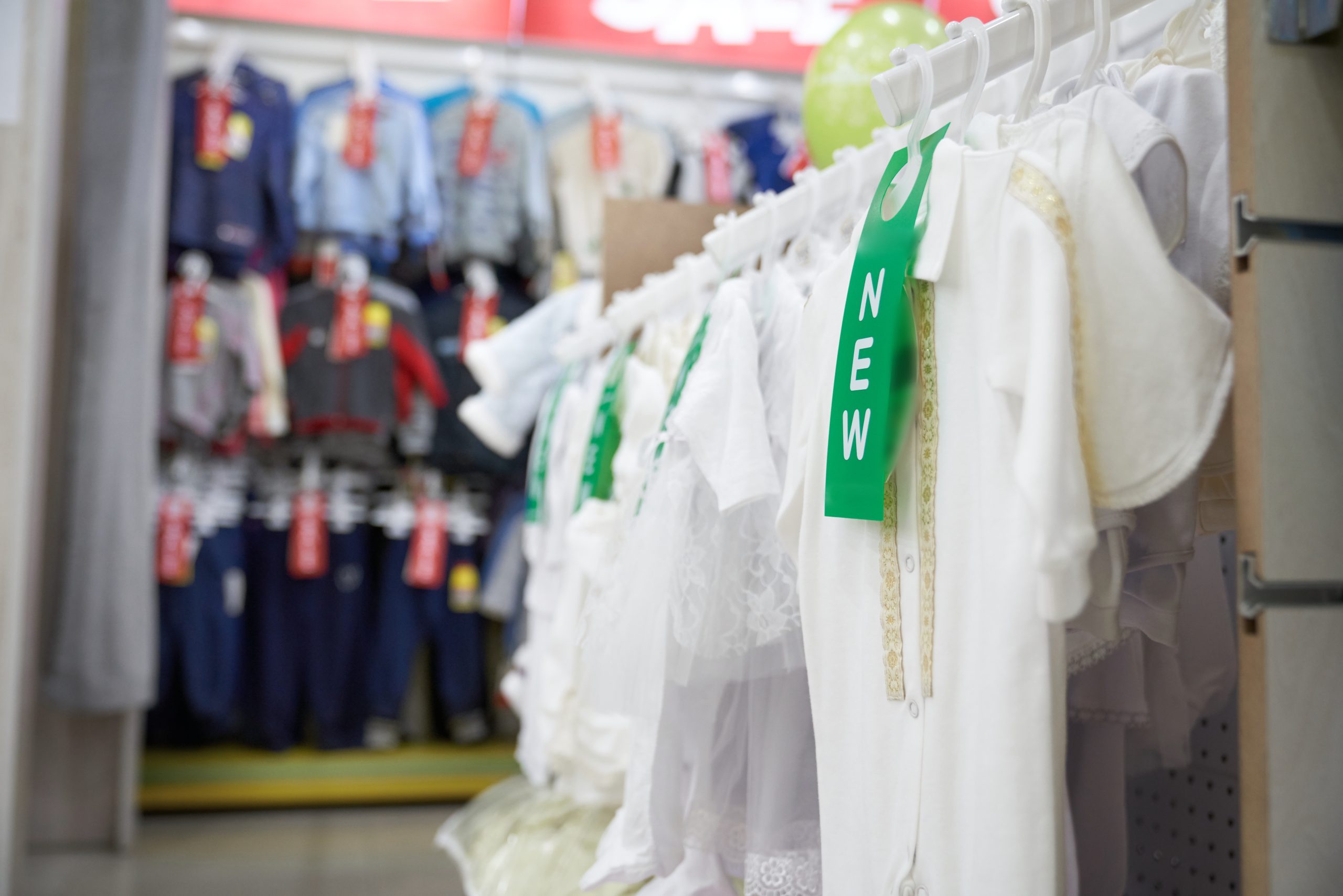
For mid to large-sized UK kidswear brands and retailers, sourcing infant apparel demands rigorous compliance and quality assurance. When importing readymade infant t-shirts from India, verifying safety, chemical, and documentation standards is a critical part of sustainable supply-chain management.
The regulatory and reputational stakes of non-compliance are substantial. Fortunately, India’s export-ready kidswear clusters have matured to meet the quality and traceability benchmarks expected by UK brands.
In this article, we’ll explore what UK buyers must know about compliance in sourcing from India, and how platforms like rivexa bring transparency and assurance to the process.
How compliance shapes better infant t-shirt sourcing
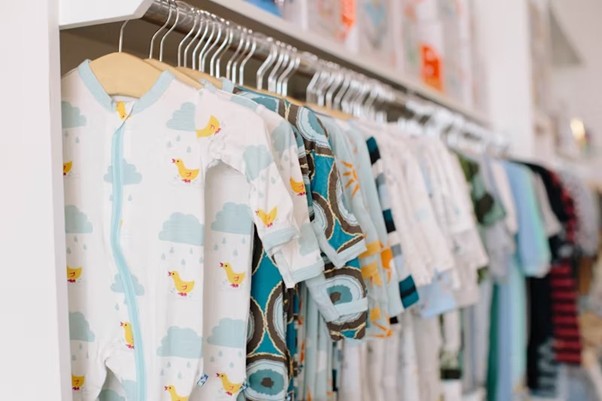
UK apparel brands cannot assume that imported readymade infant garments automatically comply with safety and labelling requirements under UK regulations. UK importers must ensure they place only safe products on the market, and when the product is for infants, the level of scrutiny is elevated.
The General Product Safety Regulations 2005 (GPSR) remain the core legal framework for all consumer products, including apparel. Compliance issues that do arise can lead to product recalls, import holds, or penalties from Trading Standards authorities.
Importance of product safety in UK import regulations
For mid to large-sized apparel brands managing private labels or retailer-exclusive kidswear lines, this responsibility extends to end-to-end visibility from fabrics testing, labelling to packaging and post-shipment traceaility.
The UK’s Textile Products Regulations 2012 also apply, requiring accurate fibre labelling and composition disclosure. Understanding these requirements helps UK buyers anticipate and prevent the most common safety and labelling risks in infant apparel sourcing.
Typical risks include:
- Babies’ skin can react to metals, formaldehyde, or certain dyes.
- Incorrect fibre or finish information can also lead to compliance issues and reduced trust.
- Loose buttons, cords, or small trims can present choking hazards to infants.
These risks underscore the importance of working only with audited, export-ready infant clothing suppliers, such as those verified within rivexa’s sourcing network.
Understanding UK and global compliance standards
UK brands sourcing from India must align supplier capability with relevant certifications and maintain continuous proof of compliance within their sourcing systems. These certifications and frameworks form the foundation of apparel compliance for UK buyers sourcing from India.
REACH:
Originally derived from EU law, REACH continues to guide UK import standards by limiting substances such as dyes, nickel, and flame retardants. Buyers must ensure that suppliers know and comply with restricted substances.
OEKO‑TEX® Standard 100:
A widely recognised independent certification that tests finished textile products (including all components) for harmful substances. For infant/children’s garments the relevant category is Product Class I. It covers babies & toddlers up to 3 years.
GOTS:
A global standard for organic textiles. It reviews each production stage and checks environmental and social practices. Products need at least 70 percent certified organic fibre. GOTS certification is particularly valued among UK and EU buyers for traceable organic production and audited social compliance.
ISO Standards / British Standards:
For example, flammability standards such as BS 5722 for children’s sleepwear are relevant and conformity to designated British Standards gives a “presumption of conformity” under UK safety law.
What documentation should UK buyers request?
To maintain compliance visibility and audit readiness, buyers should request the following from infant clothes manufacturers:
Test reports:
From recognised labs showing the product meets chemical safety limits.
Certification proof:
For OEKO-TEX, a valid and current certificate; for GOTS, both the scope and transaction certificates to verify the certified shipment.
Factory audit:
Reports confirming that production sites follow quality, ethical, and traceability standards.
Labelling specification and fibre composition declaration:
Ensure that fibre blends and component details are accurately declared in line with UK labelling requirements.
Production traceability:
Record batch details so garments can be tracked if a safety issue occurs.
Safety and chemical information:
Include material safety data sheets and proof that finishes, prints, and trims follow restricted substance rules.
Flammability certificate:
Needed for nightwear or other garments with fire-safety requirements.
Reviewing these documents with infant clothes manufacturers lowers compliance risks and demonstrates responsible oversight. Digital archiving of these records supports faster responses to audits or customs queries.
How Indian infant clothes manufacturers meet compliance benchmarks?
As one of India’s core strengths, the clothing manufacturing industry does present opportunties to UK buyers to soure highly compliant infant t-shirts, supported by growing export capabilties and process maturity.
Audits, traceability systems, and eco-certifications
Many Indian manufacturers of infant apparel are now adopting regular internal audits and third-party inspections to demonstrate compliance.
On-site audits cover factory equipment, chemical management, worker safety, traceability of materials, and compliance processes. They implement material-tracking systems (from yarn through to finished garment), and increasingly they are obtaining certifications such as OEKO-TEX® Standard 100 and GOTS to serve export markets.
For example, GOTS certification requires independent yearly inspections and traceability of the entire chain. Eco-certifications help Indian supply partners demonstrate to UK buyers their capability in managing chemicals, controlling dyes, and meeting the documentation standards expected by global procurement teams and apparel brands.
This structured approach gives UK buyers measurable visibility into how each production step aligns with REACH and OEKO-TEX® compliance.
Quality checks and lab-testing protocols
Indian infant-garment manufacturers adopt quality-control protocols such as:
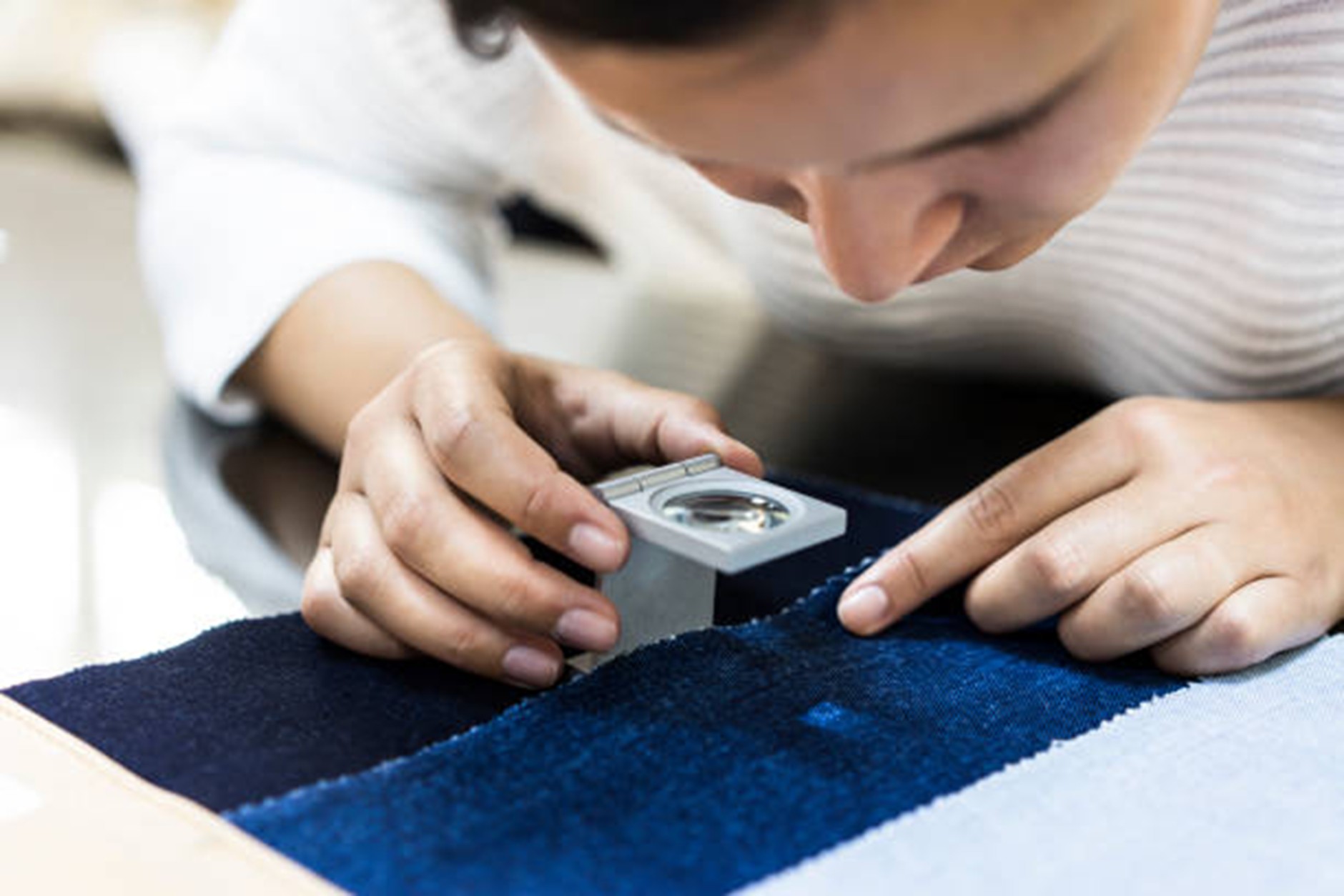
- Incoming fabric testing (colourfastness, shrinkage, pH balance, and restricted chemical residues).
- Trim/button/accessory checks (ensuring no nickel release, no small detachable parts).
- Pre-production and bulk-production reviews covering draw-string safety, stitching integrity, and seam strength (especially critical for infant wear).
- Packaging and labelling review for correct fibre content labelling, origin marking, age-size category, batch codes for traceability.
Finished-garment lab testing for harmful substances (as per OEKO-TEX Class 1) and, where applicable flammability tests for sleepwear. According to textile safety standards and industry commentary, infant clothing must adhere to “almost zero detectable formaldehyde” and other stringent limits. For reference, OEKO-TEX Class 1 sets a maximum of 16 mg/kg for formaldehyde in infant textiles.
By standardising these lab protocols, Indian manufacturing partners and suppliers provide UK buyers with predictable compliance outcomes and fewer inspection delays.
rivexa’s verification framework for infant apparel compliance
rivexa is creating a new standard of verification and transparency for UK buyers sourcing infant apparel from India. We combine physical audits with digital transparency tools, giving UK buyers end-to-end visibility across certification, production, and shipment. Here’s how rivexa supports compliance and peace of mind:
Supplier pre-verification and production-stage monitoring
The platform ensures compliance at every stage while making sourcing simple, reliable, and transparent. Key elements include:
Onboarding audits:
Each supplier undergoes a rigorous factory audit being onboarded on rivexa. Compliance documents, certifications, past performance, quality systems, equipment, and financial stability are all reviewed. Suppliers are rated across key parameters, and category leads verify these scores to reduce risk for buyers.
Supply-chain transparency:
Suppliers are continuoulsy evaluated through scheduled audits and performance assessments. Every stage of production is under close observation to ensure quality and compliance remain consistent.
Production-stage monitoring:
rivexa’s on-ground team monitor each order end-to-end, ensuring compliance and quality remain consistent throughout. Sample approval, bulk production inspections, and lab test submissions are embedded throughout production to maintain quality and safety.
Export readiness:
Many Indian MSMEs face challenges in meeting international certification standards. rivexa is guiding suppliers through the entire export process, helping them become consistently compliant and globally ready.
This approach aligns with ISO 9001-driven quality frameworks and helps UK buyers reduce factory re-audits.
Digital compliance management on rivexa
rivexa’s digital platform acts as a single compliance vault for sourcing documentation:
- Verified Supplier Network: rivexa aims to connect buyers directly to manufacturing partners that have been curated and verified.
- On-ground Production Monitoring: Quality checks carried out by qualified experts with reports sent directly to te buyer.
- Exclusive Time and Action Module: A tracking system for easier production monitoring.
In effect, if you are sourcing infant T-shirts from India and want the assurance of compliance and governance built in, working via a platform offering this framework significantly reduces your administration burden and mitigates risk.
Turning compliance into confidence for UK buyers
For UK buyers sourcing infant apparel, including infant t-shirts, compliance remains foundational, spanning chemical safety, fibre information accuracy, correct labelling, and garment construction. Understanding standards, UK regulations, and securing proper documentation is crucial for infant clothes manufacturers.
Indian manufacturers are increasingly meeting these benchmarks, and platforms like rivexa provide verification, digital transparency, and production monitoring.
This ensures UK buyers can source infant apparel safely, compliantly, and competitively. Through verified Indian suppliers on rivexa, buyers gain the confidence of fully documented, audit-ready sourcing from sampling to shipment.
Ensure your infant T-shirt sourcing meets UK compliance standards with rivexa’s manufacturers and full digital documentation. Access verified infantwear suppliers here.

Leave a Reply