
Located in Tamil Nadu’s textile belt, Tiruppur has evolved from a knitwear cluster into a global hub for children’s and infant apparel manufacturing. Its deeply integrated value chain and focus on sustainable manufacturing have made Tiruppur a benchmark for ethical, export-ready apparel production.
In this blog, we’ll explore how Tiruppur made that leap and how UK buyers can tap into that advantage through platforms such as rivexa.
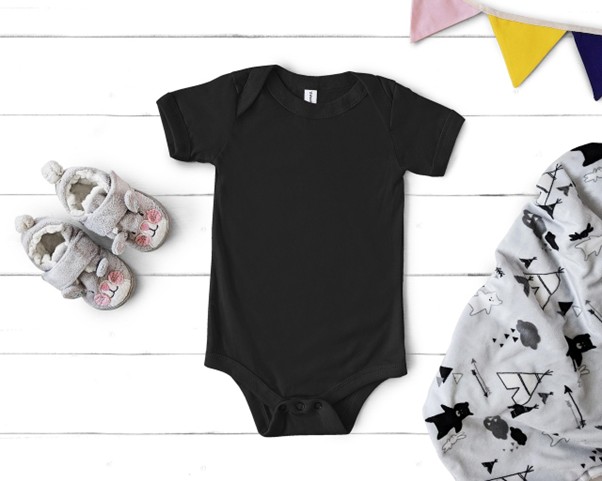
From knits to kidswear – Tiruppur’s growth story
Tiruppur’s journey began in the 1930s as a modest hosiery hub. It gradually matured into India’s leading knitwear export cluster, according to the Tiruppur Exporters’ Association (TEA). In FY 2022-23, the region exported knitwear worth around ₹34,350 crore.
One major growth driver has been diversification into children’s wear, including toddler and baby wear, as part of its broader knitwear output. The presence of over 1,500 knitting units, 700 dyeing and bleaching units, and 2,500 garment-making facilities enables Tiruppur to support agile, small-batch production.
The natural progression to infant apparel in tiruppur
- A mature knitwear ecosystem-from knitting and dyeing to finishing, allowed Tiruppur to easily adapt production for smaller-format garments such as baby tops, bodysuits, rompers.
- Global buyers increasingly demanded high-quality children’s apparel made in ethical, compliant factories, a need that the cluster could meet.
- Scale and export infrastructure (logistics, duty-free zones, apparel parks) gave the cluster cost and lead-time advantages versus starting up in many other geographies.
- Growth of private labels and fast-fashion children’s brands increased the need for small-batch, high-variety, quick-turn production. This is a capability that Tiruppur’s flexible manufacturing base could efficiently provide.
For buyers sourcing wholesale infant clothing or infant apparel, Tiruppur presents a compelling proposition: integrated manufacturing, export readiness, and a dependable production ecosystem.
The sustainability backbone of Tiruppur’s manufacturing ecosystem
Green dyeing, water recycling, solar energy usage
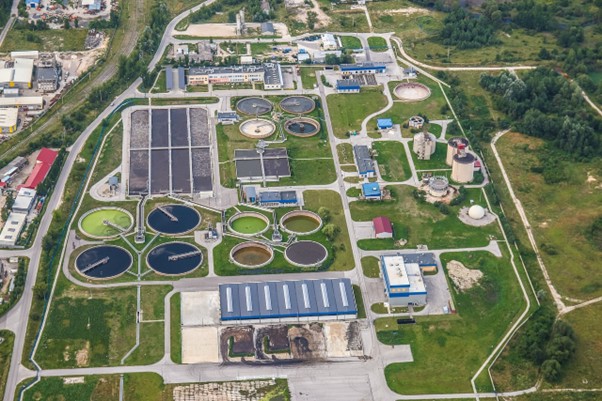
The industry in Tiruppur has undergone a profound transformation in water and effluent management. The cluster’s adoption of Zero Liquid Discharge (ZLD) systems across dyeing and processing facilities ensures that nearly all wastewater is treated and recycled.
For example, 18 Common Effluent Treatment Plants (CETPs) and 60 Individual Effluent Treatment Plants (IETPs) recycle large volumes of water, resulting in virtually no untreated effluent being discharged.
Solar and wind-energy usage is another key dimension. The cluster’s investments in renewables (wind/solar) are reported to be significantly in excess of its requirements, indicating that some units are generating surplus clean energy.
These sustainability measures go beyond marketing value. They align with the ESG expectations of UK or EU buyers, who now prioritise transparent, low-carbon apparel supply chains.

Ethical labour practices and compliance-led production
As exports increased, buyers paid closer attention to working conditions and labour practices. For children’s clothing, ensuring safety, traceability, and responsible sourcing is essential.
Tiruppur’s manufacturing base initially comprised thousands of MSMEs that have evolved into export-oriented units. It now includes mature suppliers well-versed in global buyer compliance and documentation protocols.
According to one account, the cluster is “well integrated with units specialising in fabricating, dyeing, knitting” etc. So, when UK buyers source from Tiruppur, they can expect not just cost-efficiency and scale, but also mature processes, strong compliance, and environmental safeguards.
Wholesale Infant Clothing – Why Buyers Trust Tiruppur
While much of the discussion centers on sustainability and compliance, the business case is equally compelling. Buyers worldwide, and particularly in the UK, trust the cluster because it delivers reliably for wholesale infant clothing.
Cost efficiency, quality consistency, flexible MOQs
Tiruppur’s ecosystem enables a lower cost base through sourcing materials locally, high coverage of allied services (printing, embroidery, finishing), and strong export-orientation. This results in good price competitiveness.
With hundreds of export-focused factories, buyers can source from units offering flexible MOQs. This is ideal for testing new infant apparel lines or running seasonal collections. Credible supplier directories list units in Tiruppur offering babywear and kidswear across product ranges.
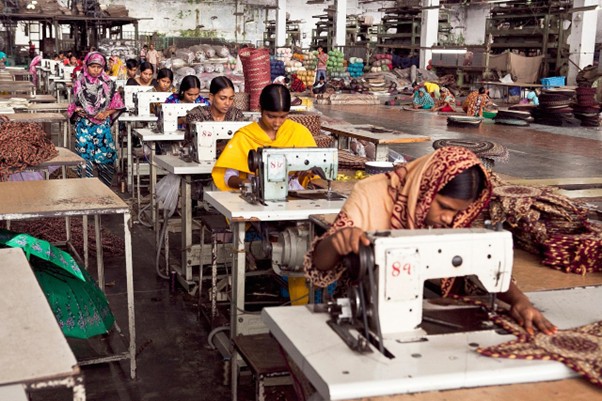
Quality consistency is supported by mature factories, often audited and certified, supplying to international clients. Lead-times are typically shorter than in competing markets, enabling faster product-to-market turnaround and more responsive inventory planning.
Infrastructure advantages for scaling production
With dedicated apparel parks like Netaji Apparel Park and efficient transport links, Tiruppur provides an integrated ecosystem that spans dyeing, printing, knitting, and garment assembly.
This depth means if a buyer wants to scale from pilot runs to larger volumes, factory capacity and ancillary services are nearby. According to one source, the cluster exports half of its production to the global market and is the country’s largest exporter in its segment.
For infant clothing buyers seeking a reliable supply of 2-piece sets, bodysuits, swaddles, nightwear, this infrastructure offers a significant advantage. You’re sourcing not via a long value-chains but through fairly direct, agile manufacturing.
In short: high efficiency + ethical compliance + flexibility = a trusted sourcing hub.
Tiruppur: where ethics and efficiency power infantwear production
From a modest knitwear cluster to a global hub for children’s and infant apparel, Tiruppur now represents India’s most agile and ethically compliant sourcing destination.
Its strength is in a connected value chain, skilled manufacturing, and export focus. For UK buyers, Tiruppur is a top sourcing destination, with platforms like rivexa making access faster, simpler, and more transparent.
With its combination of sustainability, scalability, and digital transparency via rivexa, Tiruppur continues to set benchmarks for ethical apparel sourcing of bodysuits, rompers, tops, dresses, blankets and more. The region runs a large, export-ready knitwear network where units handle knitting, dyeing, and finishing efficiently.
Manufacturers in this knitwear hub recycle water with Zero Liquid Discharge systems, run operations on solar and wind power, and undergo routine labour and social compliance audits. The region’s transparent, integrated supply chain strengthens responsible production end-to-end.
Source from Tiruppur’s verified infant apparel manufacturers with rivexa
rivexa serves as a trusted B2B export platform connecting UK and global buyers directly to verified Indian apparel manufacturers, including Tiruppur’s certified infantwear producers.
Platform screening process, certifications, and buyer support
rivexa’s supplier onboarding is rigorous: new suppliers undergo factory/site audits, verification of compliance documents/certifications, inspection of equipment, assessment of quality processes and financial stability. Suppliers are rated on a scale of 1-5 across parameters and periodic visits are conducted.
This helps reduce buyer risk. The platform ensures transparency across RFQ, pricing, order tracking, and payment workflows — eliminating the opacity often associated with agent-led sourcing.
How UK buyers benefit from compliance-ready infant apparel suppliers
For a UK buying team looking for ethical wholesale infant clothing, say a new private label line of baby bodysuits, swaddles, or 2-piece sets, the advantages of sourcing via rivexa’s verified Tiruppur network are:
- Access to a curated pool of suppliers with known credentials and export experience.
- Transparent pricing and terms.
- Support throughout the transaction, including logistics, quality assurance, cross-border facilitation.
- Ability to move from sampling to bulk production with flexible MOQs and scalable capacity that Tiruppur provides.
- Buying from a ZLD-enabled, eco-friendly cluster like Tiruppur is strengthening UK buyers’ sustainability credentials.
rivexa acts as a sourcing co-pilot – guiding buyers, reducing risk, and ensuring compliant, on-time delivery.
Source ethical, export-ready infantwear directly from Tiruppur’s verified manufacturers on rivexa — transparent, traceable, and built for UK buyers.

Leave a Reply