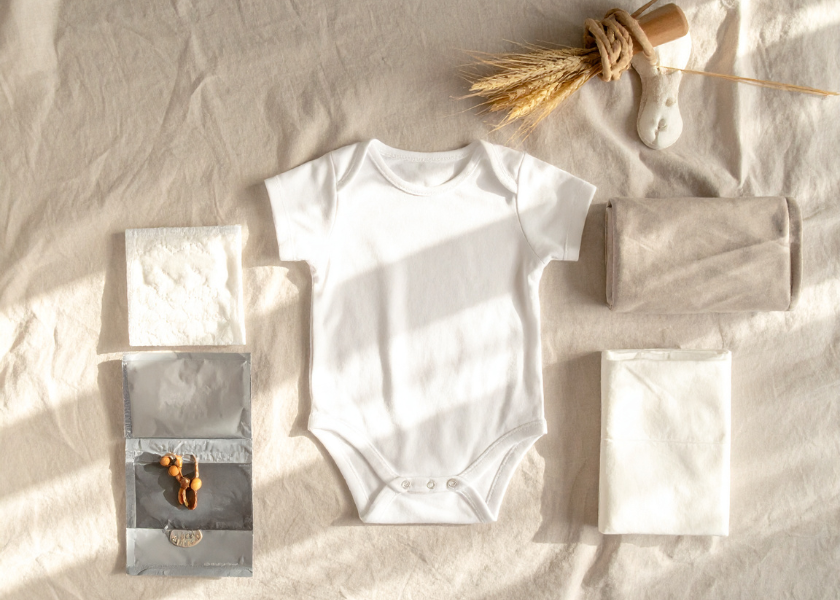
Parents in the UK are increasingly prioritising newborn apparel that’s gentle on newborn skin made from soft, breathable fabrics and produced without harmful chemicals. As a result, UK-based kids apparel brands are navigating rapidly evolving regulations on labelling, chemical compliance, and responsible sourcing.
They’re also rethinking their sourcing networks. Many are turning to India, where certified factories carry out sustainable apparel production.
In this article, we’ll explore how this shift is happening, why India is well positioned to answer the call, how traceability and trust are built, and how rivexa simplifies the pathway for UK brands to partner with verified Indian newborn apparel suppliers.
The shift toward sustainable newborn apparel in the UK
According to market research, the UK organic baby clothing market is expected to reach USD 107.99 million in 2025, growing at a CAGR of about 6.3%.
This growing parental demand is being matched by tighter regulations. The UK is tightening textile rules. Imported fabrics must list fibre content clearly, and chemical use is under closer scrutiny.
Extended Producer Responsibility (EPR) and “green claim” rules are evolving, giving authorities power to challenge misleading statements.
In short, both brands and parents now prioritise safety and sustainability – not just how newborn apparel feels, but how it’s made. The fabric matters and so does how it’s made. Ethical practices surrounding Newborn apparel sourcing are taking centre stage, sometimes even over comfort or style.
Why India leads in sustainable newborn apparel production
Across India, apparel manufacturers are testing eco-friendly fabrics and refining production methods to meet international sustainability standards. Variables shaping sustainable newborn apparel production are:
Availability of organic cotton, bamboo, and Tencel™
- India produces over half of the world’s organic cotton, making it the leading global supplier.
- Bamboo farming is strong in Maharashtra. It ranks third nationwide. It covers 1.35 million hectares. So, the fibre made from this crop is widely useful in the textile industry.
- India exported 244 shipments of Tencel fabric between October 2023 and September 2024, reflecting a 23% increase compared to the previous year.
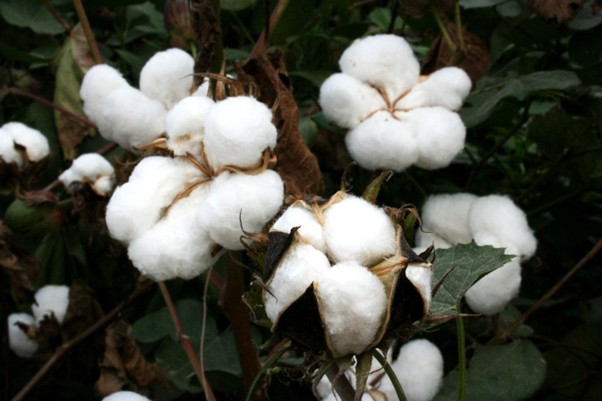
When blended with cotton, these fibres deliver softness, breathability, and skin-friendliness – a foundation for India’s certified and safety-driven production base.
Factory compliance: GOTS, OEKO-TEX®
Certification is becoming standard in newborn apparel manufacturing. The following are important validations:
- GOTS verifies responsible processing and ethical labour.
- OEKO-TEX confirms that textiles are free from harmful chemicals.
- RCS validates traceable recycled fibres.
Certified factories, sustainable fibres, and careful processing are shaping India’s safe, transparent supply chain for newborn clothing.
Hypoallergenic, chemical-free finishing
Newborn skin is highly sensitive. Factories are adopting:
- Restricted Substances Lists
- ZDHC guidelines
These steps reduce chemical residues to minimal levels. The result: fabrics that stay soft, hypoallergenic, and safe.
With trusted materials and verified makers, India is shaping a transparent, eco-ready supply chain for newborn wear.
How verified Indian suppliers ensure traceability and trust
For UK brands working to demonstrate ethical credentials, mere claims are not enough. Verified sourcing and supply chain transparency are essential.
Transparent sourcing networks:
Such as Trace for Good and GS1 India support end-to-end traceability of products from raw cotton to the finished garment. These systems are tracking each stage. It is from cotton sourcing to spinning, dyeing, stitching, and finishing. Buyers are now asking for transaction records, chemical test data, and verified audits for every batch.
Digital documentation & end-to-end visibility:
Supplier profiles include certification records, test reports, and supply-chain maps, often supported by blockchain, QR codes, or unique identifiers to verify origin, processing, etc.
Verified manufacturers and rigorous onboarding:
Each supplier on rivexa undergoes a comprehensive pre-audit covering certifications, compliance systems, infrastructure, and past export performance. Suppliers are rated 1–5 across these metrics, reducing the risk of non-compliance for UK buyers.
These checks are helping UK brands cut risks, from false sustainability claims to chemical breaches or hidden gaps in their supply chain
rivexa simplifying newborn apparel sourcing for UK buyers
Platform-based sourcing via rivexa addresses many of the issues UK brands face, combining flexibility, transparency, and reliability.
Verified manufacturers & rigorous onboarding:
Every supplier on rivexa is audited before being onboarded. The audit includes checking certifications, quality control systems, factory infrastructure, financial stability, and past performance. Suppliers are rated on a 1-5 scale over these parameters, and category leads verify ratings. This reduces risk of non-compliance for UK buyers.
Design-to-delivery support:
rivexa is staying involved from concept to delivery. It’s working with partners on design ideas, verifying compliance, monitoring quality, keeping production on schedule, and managing logistics. So every order reaches its destination without delay. Where Indian MSMEs require support with export documentation and standards alignment, rivexa steps in with hands-on guidance.
Duty-free sourcing advantage under UK–India FTA (2025):
The upcoming trade agreement grants Indian home textiles and apparel complete duty-free access, covering 99% of export tariff lines. This makes Indian-manufactured apparel more price-competitive versus other low-cost origins. (The Economic Times)
MSME empowerment:
rivexa’s business model helps small and medium manufacturers in India access UK and global buyers directly, rather than depend on middlemen. rivexa plays a big part in reducing payment risks, clarifying compliance needs, and increasing visibility across the sourcing journey.
Building trust into newborn apparel sourcing
As UK consumers and regulators demand more ethical and transparent sourcing, brands are increasingly turning to India’s sustainable manufacturing base for newborn clothing.
India’s strength in organic-sustainable fibres; increasing certification, compliance and finishing standards; plus, the cost advantages unlocked through the UK-India Free Trade Agreement make this a very attractive shift.
Platforms like rivexa are streamlining sourcing, boosting visibility, and helping UK buyers verify every step. It is from raw fabric to a finished garment. The outcome: greener babywear with clear, ethical sourcing.
Key takeaways
UK brands prefer sourcing newborn apparel from India
India combines certified sustainable raw materials, certified processing, competitive pricing, strong manufacturing capacity, especially among MSMEs, and increasing traceability & transparency support.
Certifications ensure newborn apparel safety
- GOTS: Ensures organic fibres, safe chemicals, and fair labour.
- OEKO-TEX® 100: Confirms fabrics are free from harmful substances.
- RCS: Verifies recycled content.
Additional practices include following chemical limits, ZDHC guidelines, allergen testing, and restricting formaldehyde and heavy metals.
rivexa verifying sustainable newborn apparel manufacturers
rivexa applies a rigorous supplier onboarding process: site audits (factory infrastructure, quality & compliance systems, past performance, financial health), periodic visits or inspections, a rating system across multiple metrics (certifications, processes, delivery performance), transparent supplier profiles including certification documents, and design & compliance support throughout the transaction.
Connect with verified Indian newborn apparel manufacturers through rivexa now! Simplify sustainable, compliant sourcing for your next UK babywear line.

Leave a Reply