Industrial machinery manufacturing in 2025 isn’t standing still. It’s evolving every day. Even a decade back, AI was a buzzword, but now it’s predicting machine failures before they happen. IoT sensors are constantly feeding data, showing suppliers exactly where to cut waste and improve efficiency. Together, these tools are making factories less reactive and more proactive.
For suppliers, this shift is nothing short of tectonic. Global demand is realigning trade flows in ways that permanently alter sourcing dynamics. Imagine being able to guarantee a German buyer that your machining line has 98% uptime because predictive maintenance keeps your equipment running. Or showing an American procurement team that your IoT dashboards track every part produced without any gaps or surprises. That’s the level of transparency suppliers use to stand out in a crowded market.
Sustaining your manufacturing unit in a competitive market isn’t about cutting costs. Suppliers today are using smarter digital systems to deliver custom orders faster and reduce defects. Instead of chasing paperwork after production, you’re sending buyers proof of quality the moment that part leaves your floor.
This is what digital manufacturing in 2025 looks like: a system that’s learning, adapting, and proving reliability.
Emerging Trends Reshaping Engineering Goods Manufacturing in 2025
Let’s look at the top five trends that have been reshaping the manufacturing of engineering goods in 2025.
1. Digital Manufacturing
Factories in the industrial machinery manufacturing sector are becoming intelligent hubs where data drives every move. They’re becoming intelligent hubs where data drives every move. In 2025, buyers don’t just ask, “Can you produce this part?” They ask, “Can your systems guarantee zero surprises?” That’s where digital manufacturing steps in.
2. AI in quality checks
AI detects the defects your quality control team misses when they’re having an off day or rushing to meet deadlines. Those tiny flaws that used to make it to customers? AI spots them before they leave your factory.
3. IoT for Operational Efficiency
IoT sensors embedded in machinery provide real-time visibility into operations. They detect issues such as unexpected temperature rises, abnormal vibrations, or tool wear long before they escalate. By addressing these signals early, industrial machinery manufacturing facilities prevent costly downtime, reduce scrap rates, and extend equipment life. For procurement teams, this translates into a more reliable supply base, fewer quality disruptions, and stronger confidence in just-in-time deliveries.
4. Predictive Maintenance
Predictive maintenance has already proven its potential across different industrial machine production hubs. Instead of scrambling when a machine breaks down, suppliers are fixing issues before they escalate, suppliers avoid unplanned downtime, maintain consistent output, and protect delivery schedules. For global buyers, this translates into fewer supply disruptions, tighter control over lead times, and greater confidence in long-term sourcing partnerships.
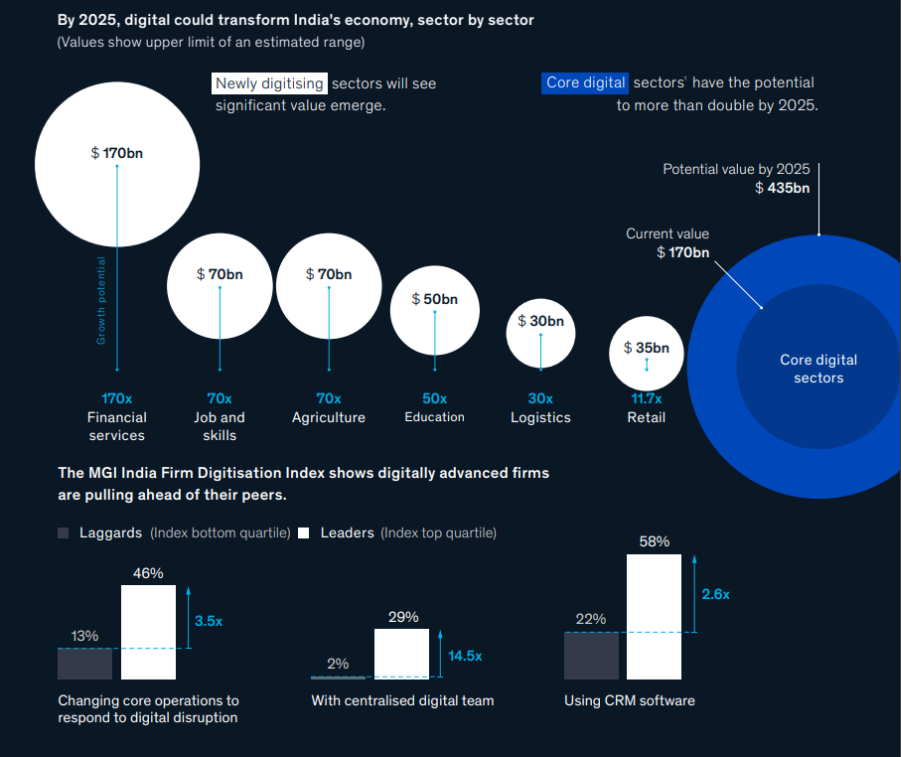
A report published by McKinsey states that Digital technologies could add up to USD 170 billion in value across key sectors in India by 2025.
5. Sustainability: Green Manufacturing is Now Non-Negotiable
Five years ago, “sustainability” sounded like a buzzword. In 2025, it’s the first thing buyers ask about. If your factory can’t prove it’s cutting emissions or using cleaner inputs, you’re already out of the race. Interestingly, India is bracing up to be a US$7 trillion economy by 2030, where green manufacturing and industrialization will be emerging as key sectors.
Suppliers are shifting to low-emission processes like powder coating that don’t choke the air with solvents, and hybrid furnaces that cut carbon without cutting productivity. Scrap isn’t just thrown away anymore.
Recyclable inputs and smarter waste reduction programs are becoming the new baseline. Even energy bills are being rewritten, with solar-powered plants across Gujarat and Tamil Nadu running heavy manufacturing machinery on clean electricity.
The demand isn’t just ethical, but commercial. European procurement teams are under pressure from ESG laws, so they can only work with suppliers who can show hard proof of sustainable practices. That’s why certifications like ISO 14001 are suddenly appearing on tender checklists right next to ISO 9001.
6. Customization: The Rise of Small-Batch, Drawing-Based Orders
Global buyers are no longer obsessed with bulk. Instead, they’re chasing industrial machinery manufacturing suppliers who can handle small, design-oriented orders that match unique requirements. For Indian SMEs, this is turning into an advantage. Flexibility and responsiveness are becoming stronger selling points than sheer volume.
Specialized CNC machining and even 3D printing make these custom parts visible. Suppliers today need not wait for months for molds and tooling. They can now turn a drawing into a finished component in weeks. It’s not just faster, but more aligned with how modern supply chains want to operate.
7. Regionalization: The “China+1” Effect
Global buyers are waking up to a simple reality – putting all their eggs in China’s basket comes with risks. India is stepping up at a time when geopolitical tensions, shipping delays, and rising costs are compelling them to seek alternatives.
Skilled engineers, experienced machinists, and a strong MSME base make India a viable “plus one” for engineering machinery manufacturing sourcing strategies. With government incentives and policy support, suppliers here aren’t just cost-effective. They’re reliable partners who can meet quality and delivery expectations.
For SMEs, this shift is more than an opportunity. It’s a chance to get noticed. Buyers who once stuck to long-standing Chinese suppliers are now visiting Indian plants, auditing processes, and signing contracts. Suppliers in rivexa’s network are seeing a spike in inquiries because they combine agility with proven compliance.
Industry 4.0 in India: Adoption and Real-World Examples
Indian suppliers in the industrial machinery manufacturing ecosystem are slowly but surely stepping into Industry 4.0, and it’s changing the scenario. Visualize robots handling repetitive tasks while smart sensors keep an eye on machine performance 24/7. Factories are getting faster, safer, and more predictable.
Adopting robotics and advanced software is neither cheap nor simple for most suppliers. Capital costs are high, software licensing add significantly to overheads, and skilled operators remain in short supply. These barriers often slow adoption or stall digital transformation altogether.
However, the suppliers who push past these hurdles are seeing measurable returns: streamlined production, lower defect rates, and stronger compliance with international standards. For global buyers, that progress translates into fewer sourcing risks and greater confidence when awarding high-value contracts.
In fact, early adopters in India are already using robotics to meet just-in-time schedules, reduce rework costs, and improve traceability in exports. While the upfront investment in substantial, the long-term payoff comes in the form of operational efficiency, repeat orders, and sustained competitiveness in global markets.
Looking at the Future
India aims for USD 200 billion in engineering exports by 2025, nearly triple 2017-18 levels. With the China+1 shift driving more contracts towards Indian the country is ready to play a leading role in global supply chains.
In 2025, those supply chains should be fast, green, and reliable. Suppliers adopting digital tools and sustainable practices in industrial machinery manufacturing can make production cycles more flexible and responsive. Sourcing marketplaces like rivexa strengthen this shift by helping suppliers showcase reliability and connect directly with buyers who prioritize quality and on-time delivery.
For suppliers who use these tools effectively, operational improvements translate into profitable, long-term partnerships instead of a constant race to the ‘best-possible’ price!
Need precision partners for pumps, valves, or machined parts? Contact our IG experts!

Leave a Reply