
Change is constant in India’s export market. Today’s buyers ask for more than low prices. They want quality, clarity, and trust. How are top Indian exporters responding? India serves both tradition and innovation.
You find world-class apparel makers, advanced industrial producers, and reliable pharma manufacturers. Together they offer scale, diversity, and value to international buyers.
This diversity sets the stage for a closer look at how India’s export portfolio spans both apparel and industrial goods.
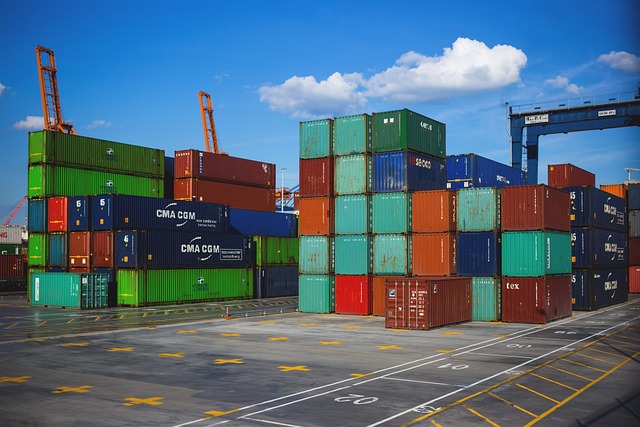
India’s Export Diversity: Apparel & Industrial Goods
India exports a wide mix of goods that global buyers value:
- India’s textile and apparel exports have about 83.2% domestic content, indicating a strong reliance on local sourcing.
- Engineering goods like auto parts, industrial machinery, and electronics add over $109 billion in 2024 exports.
Here’s a snapshot of what leading Indian exporters contribute:
- Home textiles and apparel reached around USD 44.4 billion in FY 2021–22. Ready-made garments made up roughly USD 16 billion, accounting for about 36% of the total.

- India’s engineering and industrial goods are a major part of exports. Shipments in this sector are projected to go beyond USD 116.67 billion in FY 2024–25.
Other exports, including coffee, electronics, rice, and pharmaceuticals, have also seen strong growth. Overall merchandise exports for India are expected to reach around USD 437.42 billion in the same period.
These numbers show how diverse India’s export mix is. Top Indian exporters cover everything from garments to heavy industry. India has become a pivot in global sourcing precisely because it offers both tradition and technology.
With this base in place, the next piece is understanding how trade agreements amplify India’s export reach.
FTAs and Trade Advantages
Trade pacts give Indian exporters real advantages. The UK–India FTA means almost all Indian goods, textiles, gems, machinery enter duty-free or with low tariffs.
India also has FTAs with ASEAN, UAE, Australia, South Korea, etc., which reduce export costs and improve competitiveness.
| Trade Agreement | Benefit for Exporters |
| India–UK FTA | Zero duty on textiles. UK exports can grow 30–45% by 2030 |
| ASEAN–India FTA | Over 90% of product lines have eliminated tariffs |
| Ongoing EU, UAE deals | Expanded access and reduced tariffs |
| India–Australia ECTA | Lower tariffs on engineering and textile products |
These agreements help top Indian exporters compete better in price-sensitive and regulated industries.
Lower tariffs help, but they don’t close the deal. What buyers really want is proof of quality and compliance. Indian exporters are stepping up here.
Compliance & Quality Benchmarks
Global buyers demand both quality and trust. Indian suppliers meet these through:
1. Certifications and Standards
Many Indian exporters maintain global quality through recognized certifications and responsible labor practices, ensuring products meet international expectations.
2. Apparel Supply Chains
Indian apparel makers often source fabrics and accessories locally. This keeps production consistent, lowers reliance on imports, and helps finished garments reach buyers on time.
3. Engineering Support
Groups such as EEPC India help manufacturers follow global standards and connect with buyers worldwide through trade events and guidance on compliance.
These signals position top Indian exporters as compliant, traceable, and reliable. With compliance assured, it’s easier to see why global buyers are now shifting their sourcing strategies toward India.
What’s Driving the Rising Appeal of Indian Exporters?
Let’s explore the key factors behind why international buyers are increasingly choosing Indian exporters worldwide:
1. Scale and Range
India’s supply base covers everything, from solar components and pharmaceuticals to garments and jewelry. That diversity helps buyers consolidate sourcing.
2. Cost Efficiency
Lower labor and operational costs, plus FTA benefits make Indian exporters more attractive than many rivals.
3. Improved Access & Trade Terms
Recent trade deals like the UK FTA and UAE CEPA grant market access and reduce duties for top Indian exporters.
4. Resilience & Reliability
Buyers report dependable delivery and quality from Indian partners more often. Engineering goods and electronics shipments saw strong recent growth.
This shift underscores why top Indian exporters are becoming the default choice for resilience and value in global sourcing.
Key Takeaways
- Why turn to India? Top Indian exporters offer diverse products from garments to industrial goods and farm produce.
- Thinking of global markets? Indian exporters get a boost from trade deals with the UK, ASEAN, and the EU. These cut costs and open more doors.
- What ensures reliability? Clear quality standards, certifications, and flexible production give buyers confidence.
Conclusion
India’s export journey is moving into a new phase. Global sourcing isn’t static, it’s moving fast. Where does India fit in? More than ever, top Indian exporters are shaping buyer decisions, not just supplying goods.
The mix of skilled production and reliable service is drawing more trust from global markets. Looking ahead, India’s presence in global trade will expand as companies look for partners offering both scale and flexibility.
India’s exports are leveling up fast. top Indian manufacturers now blend scale, reliability, and innovation evolving from suppliers to strategic sourcing partners.
Ready to tap into India’s apparel and industrial manufacturing with confidence? rivexa delivers pre-screened exporters, complete compliance backing, and the best sourcing expertise to help you move from research to results seamlessly. Contact rivexa today! Connect with verified exporters you can trust.

Leave a Reply