Key Takeaways : Great extruded aluminum outcomes start with great design. It’s not about fixing mistakes later but getting them right before the die is cut. Smaller extruded aluminium design tweak can help with cost savings. This includes identifying potential issues, and lower delays in production.
With rivexa, you’re not guessing – you get hands-on feedback from engineers and Indian vendors who know exactly what works on the shop floor.
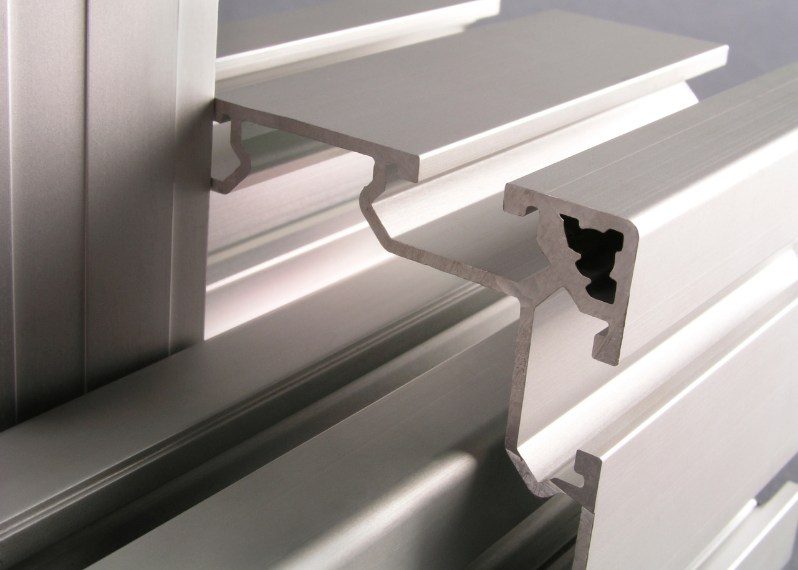
Manufacturing firms building components that need to be strong and lightweight often turn to extruded aluminum. There’s no denying that it’s hard to beat. No wonder, why global buyers rely on extruded aluminum for everything from structural frames to heat sinks and electronic enclosures.
The flexibility of the extruded aluminum profiles, along with low wastage of materials and repeatable finishes, makes it a great choice when production volumes grow. But even with all these benefits, extrusion only delivers when the design plays by the process rules.
This is where most issues begin. We often see buyers run into delays not because the supplier lacked capacity, but because the design wasn’t extrusion-ready. Wall thickness variations, overlooked pull direction, or under-defined tolerances create defects that only show up after tooling. At that stage, any fix means rework and more cost.
That’s why rivexa takes a preventive approach. Before you even commission a die, our engineering team reviews your drawings for the viability of extrusion. We call out what won’t work, what could be simplified, and the process of aligning the design with how Indian extruders actually build the tooling. It’s a small step upfront that prevents expensive surprises later.
Why DFM Is Crucial in Extruded Aluminum Projects
Check out why DFM proves to be a crucial process in extruded aluminum projects.
Tooling May Be Affordable, But It’s Not Reversible
Extruded aluminum tooling is relatively cost-effective compared to other manufacturing processes.
However, the flaws get locked in once a die is cut. Corrections can lead to costly retooling, delays, and additional post-processing. Any of these issues can compromise your margins and delay timelines.
Bad Design Doesn’t Show Up in CAD
It’s not uncommon for profiles not compatible with extrusion to pass CAD reviews and quoting stages, only to fail during the first extruded aluminum production run. Uneven material flow, internal stresses, or thermal distortion often arise from subtle design flaws, like varying wall thicknesses or ignored die pull directions.
That’s why early-stage Design for Manufacturability isn’t just a best practice, it’s risk mitigation. rivexa’s engineers flag these issues early, aligning your design with practical die capabilities and downstream requirements. We address these problems before you cut the die, so that you can protect your timeline, your budget, and your product quality.
Common Extruded Aluminum Design Mistakes
Most extrusion issues don’t come from the shop floor, but originate on the drawing board. The reason is that many designs that apparently look great in CAD actually don’t complement aluminum flow, cooling behavior, or die mechanics.
Let’s take a look at some of the common mistakes associated with extrusion designs.
1. Non-Uniform Wall Thickness
Since aluminum cools quickly, the walls should be thick. Otherwise, uneven wall thickness leads to uneven cooling. The result? Warped profiles, visible surface ripples, and high rejection rates. A good rule of thumb is to keep wall thickness variation within ±15 – 20% of the nominal value. In most cases, staying between 2 mm and 5 mm ensures strength without compromising formability.
2. Overly Complex Internal Voids
It’s tempting to consolidate multiple parts into one piece of extruded aluminum with complex internal cavities. But when those cavities require bridge or porthole dies, the tooling becomes far more expensive and time-consuming to produce. If a single profile adds disproportionate complexity, consider splitting the design into simpler, joinable sections instead.
3. Ignoring Pull Direction
Extrusion is a one-directional process. Features like undercuts or internal corners that run perpendicular to the pull direction are simply not manufacturable in a single shot. They often lead to die stress, tearing, or require costly secondary machining. Aligning features with the flow of the metal ensures structural integrity and cost efficiency.
4. Over-Tight Tolerances
Not every face on your extruded aluminum profile needs a CNC-level finish. Yet many drawings come with blanket tolerances like ±0.05 mm. Particularly, when you deal with non-critical dimensions, that’s not suitable for extrusion. With extremely tight tolerances, they can lead to rework and unnecessary inspection. At times, they may result in tooling rejection. That’s the reason we refer to extrusion-grade standards that balance both accuracy and manufacturability.
How rivexa Helps Buyers Get It Right
Getting a supplier quote is easy. Getting the right supplier with a cast-ready design? That takes more than RFQs and email chains.
At rivexa, we start by reviewing your CAD and 2D drawings through an engineering lens – not just for pricing, but for manufacturability. This means identifying die-related risks before they’re baked into your tooling.
Undercuts, uneven walls, un-extrudable voids – our verified suppliers can catch them early and advise you on how to fix them before a rupee is spent on steel.
1. CAD Review First, Sourcing Second
Our process of working with extruded aluminum flips the script. You upload your profile drawing. Our engineering team, having hands-on experience in extrusion tooling, runs a DFM check, flagging risky features, over-toleranced zones, and areas that may require post-processing. This ensures you’re quoting a viable part, not just a pretty one.
2. Die Feedback from Shop Floor Experts
Once your file is reviewed, we pass it to our partnered Indian extrusion shops. They’re vetted producers with in-house die tooling teams who provide real-world input on draft angles, cooling behavior, and surface finish expectations.
3. End-to-End Execution
Need to get extrusion services like powder coating, anodizing, and machining. We’ll route your job to multi-capability vendors, saving you the hassle of splitting the order across suppliers.
Whether you’re producing a clean architectural frame or a tolerance-tight enclosure, rivexa aligns you with a shop that does it all under one roof.
Buyer Benefits with rivexa’s DFM-Aligned Workflow
When you’re sourcing extruded aluminum across borders, you don’t just need suppliers, you need coordination. That’s where rivexa’s DFM-aligned workflow makes the difference. We help you move from drawing to dispatch without costly surprises.
1. Speed from Design to Die to Delivery
We review your CAD files upfront, catching manufacturability issues before they hit production. This early alignment means tooling starts sooner and gets done right the first time. No back-and-forth, no stalled timelines, just a faster route from design to finished part.
2. One Team, Fewer Gaps
It’s common to split extrusion and machining between vendors. However, it often leads to mismatches in tolerances. With rivexa, you get connected to partners who handle everything from extrusion to matching and finishing. With everything executed at a single touchpoint, your workflow gets streamlined.
3. Built for Cost Efficiency
Every design tweak we suggest is aimed at long-term savings. Whether it’s simplifying internal geometry or right-sizing tolerances, our approach helps reduce tool wear, material waste, and rework. That means lower cost per part, especially as volumes scale up.
With rivexa, you get a process built for consistency, speed, and total clarity of your project.
Get Your Extrusion Design Reviewed Before You Cut the Die
Extruded aluminum might seem forgiving, but it’s not as flexible as CNC. Once the die is cut, design mistakes turn into expensive problems – distortion, non-uniform walls, or tolerance issues that require secondary machining. That’s why catching them early isn’t optional, it’s essential.
rivexa ensures your drawings are die-ready, not just CAD-perfect. From initial DFM checks to delivering the final part, we align your expectations with real shop-floor capabilities, so the part you imagined is the part you get.
Upload your extruded aluminum design today and get a no-cost DFM review and supplier quote from India’s vetted extrusion experts.

Leave a Reply