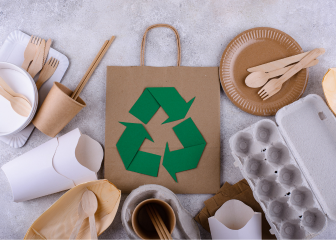
In today’s globalized world, the government and eco-conscious customers push the fashion industry to use sustainable practices in their value chain to follow regulatory standards and meet growing demand. Fashion Industry is a major contributor to the carbon footprint produced annually worldwide, of around 8 to 10% of global carbon emissions. It is highly crucial for companies to start getting into sustainable ways to improve their value chain and reduce the ecological impact.
India’s Cultural Heritage and Sustainable Practices:
India is a country that has sustainability as its core practice is an age-old Tradition even followed till date. Women who went out for shopping for groceries always used to carry a Basket made of Palm leaves. Even while out shopping for clothes like sarees, salwar kameez, they were given jute bags to carry home their purchases. Mothers used to re-use old sarees by tying it up to the ceiling and making a comfortable and soft hanging cradle.
The reason for this was India is a country of diverse cultures and Traditions and their practices involves them praying to nature and having sustainable and nature friendly practices in their farms. This helped them coexist with nature. They used natural fibers of Jute to make furniture and bags. Even today we can see this in practice. The famous street foods of India is still served in a cup made out of dried leaves. The traditional south Indian cuisine is also served on a banana leaf that is used as a plate.
India in Sustainability:
The Indian Government has started many initiatives for Green Growth like Bio manufacturing and Bio foundry that will help improve manufacturing and R&D in eco-friendly biodegradable polymers. India’s famous swacch bharat abhiyaan aims to keep the environment clean and free from pollution from packaging wastes and other wastes.
The India green packaging market size is US$ 11.2 Million and is expected to exhibit a growth rate (CAGR) of 6.52% during 2024-2032. The Indian Governments push and the need for a sustainable economy makes India the right place to source sustainable products and packaging. (Source: IMARC group)
The Value of Eco-Friendly Packaging in the Fashion Industry:
Packaging that is sustainable is no longer optional for companies trying to reduce their environmental effect. Packaging has several uses in the fashion business, including product protection, brand identity enhancement, and consumer information. On the other hand, conventional packaging materials like plastics and non-recyclable materials greatly increase waste and pollution.
Key Benefits of Sustainable Packaging:
- Waste Reduction: A lesser amount of waste ends up in landfills and the ocean when companies make packaging sustainably.
- Reduce Carbon Footprint: Greenhouse gas emissions can be greatly reduced by using eco-friendly materials.
- Brand Image: Using sustainable practices can boost a company’s reputation, draw in eco-aware customers, and raise its ESG scores.
Traditional Materials and Techniques:
- Jute: Known as the “golden fiber,” jute is a renewable and biodegradable material that has been utilized for centuries in India. Strong and environmentally beneficial substitutes for plastic packaging include jute bags and wraps.
- Banana Fiber: India produces this robust and biodegradable fiber in abundance, extracting it from banana trees. Manufacturers make several packing materials with it.
- Palm Leaves: For a very long time, traditional Indian craftsmen have made baskets and other containers out of palm leaves. These have a distinct visual appeal and are biodegradable.
- Cotton and Khadi: An essential component of Indian textiles is cotton, especially hand-spun Khadi. Using cotton wraps and bags helps regional artists while simultaneously advancing sustainability.
- Paper: In India, manufacturers use recycled waste paper to make 46% of all paper. They utilize agricultural residues like wheat straw, paddy straw, and bagasse to produce about 22% of paper. They use wood as a raw material for only 32% of the paper industry
Integrating Traditional Practices with Modern Needs:
- Material Sourcing: To obtain traditional materials like jute, banana fiber, and palm leaves, collaborate with regional craftspeople and cooperatives.
- Design Innovation: Work along with designers to produce packaging . It satisfies contemporary requirements while preserving traditional aesthetics, such as block printing on packaging or customizing card notes for clients.
- Consumer Education: Inform customers about the advantages of environmentally friendly packaging and the significance of the materials used in the design.
- Circular Economy: Establish a system to recycle, return, or reuse packing materials to reduce waste. Recycle paper, and bring back glass bottles, cotton bags, and jute bags for use again
Conclusion:
The fashion industry being one of the biggest contributor of global emission. It is at a turning point in its history, and the adoption of sustainable methods will be essential to its future prosperity.
By leveraging India’s abundant cultural legacy and customary sustainable methods, companies can develop packaging solutions that are culturally meaningful and environmentally responsible. Adopting environmentally friendly packaging solutions that draw inspiration from customs from India helps safeguard local communities. It also helps to maintain cultural heritage, and protect the environment. This all-encompassing strategy may open the door for a more ethically conscious and sustainable fashion sector.

Leave a Reply