Introduction:
In the field of contemporary manufacturing, sheet metal is a material that is extensively utilized and flexible. It provides cost-effectiveness, durability, and flexibility in a range of applications. Sheet metal is a key component that shapes industries worldwide, from building to automobile. This article discusses the characteristics, production processes, uses, and advancements that have led to sheet metal’s broad acceptance across a variety of industries.
Sheet metal: What is it?
The term “sheet metal” describes thin, flat metal pieces that are usually between a fraction of a millimeter and several millimeters thick. The following metals are frequently used in sheet metal fabrication: brass, copper, stainless steel, aluminum, and steel. With qualities including a high strength-to-weight ratio, malleability, ductility, and resistance to corrosion, sheet metal is highly versatile. It is appropriate for various uses. Typically, sheet metal is not the finished product. Instead, manufacturers utilize it to make various goods for different markets. These markets include food processing, automotive, aerospace, construction, military, computing, electronics, and communications sectors.
Production Techniques:
The process of shaping, cutting, bending, and assembling sheet metal into completed components is known as sheet metal fabrication. These procedures include:
Cutting: You can use methods such as shearing, laser cutting, plasma cutting, and waterjet cutting to cut sheet metal into the appropriate shapes and sizes.
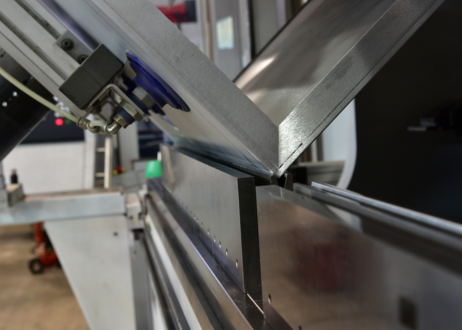
Bending: In bending operations, you use press brakes and roll forming machines to create the angles and forms that sheet metal needs for certain uses.
Forming: Techniques like stamping, punching, and deep drawing transform sheet metal into intricate shapes and curves.
Joining: You can unite sheet metal components using methods such as mechanical fastening, adhesive bonding, riveting, and welding.
Uses of Sheet Metal:
Vehicle: You use sheet metal to provide strength, rigidity, and crashworthiness in the production of vehicle bodywork, chassis parts, panels, brackets, and structural reinforcements.
Construction: In residential, commercial, and industrial construction projects, you use sheet metal for roofing, siding, gutters, and architectural elements to offer strength, resistance to weather, and aesthetic appeal.
Aerospace: You enhance the light-weighting, aerodynamics, and structural integrity of aerospace constructions with sheet metal. It includes parts such as engine enclosures, wings, fuselage panels, and structural frames.
Electronics: In the fields of computing, industrial automation, and telecommunications, you use sheet metal enclosures, cabinets, racks, and chassis to offer housing and protection for electronic equipment, control panels, and gadgets.
Novelties in the Fabrication of Sheet Metal
Technological developments in sheet metal fabrication spur innovation and increase industrial efficiency:
- Computer-aided design (CAD) and computer-aided manufacturing (CAM) software streamline the design, simulation, and programming of sheet metal components. They maximize material consumption and production efficiency.
- Automated sheet metal processing uses robotic systems and CNC equipment to automate cutting, bending, and forming tasks. This lowers labor costs, cycle times, and error rates in manufacturing.
- Developers improve sheet metal component performance with high-strength alloys, lightweight composites, and sophisticated coatings for demanding applications.
- Additive manufacturing techniques like 3D printing enable quick prototyping and production of intricate sheet metal components. These methods reduce waste material and lead times.
In summary:
Sheet metal remains a vital component of modern manufacturing. It is use in, long-lasting, and versatile enough for use in a range of industrial contexts. With ongoing advancements in fabrication technology and materials research, sheet metal has the potential to significantly impact manufacturing in the digital age and remain a driving force behind sustainability, efficiency, and innovation in the global marketplace.

Leave a Reply