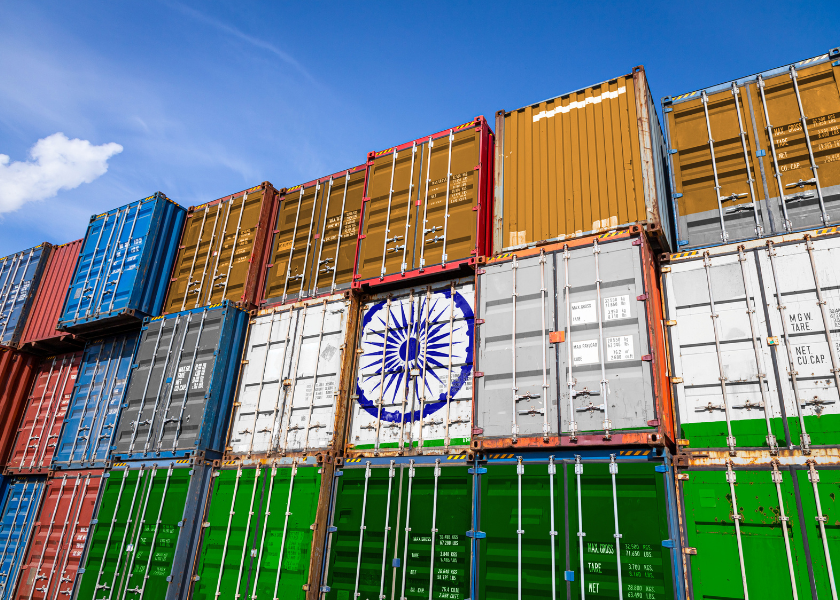
The steep rise in US tariffs on Indian goods has prompted leading companies across consumer goods and apparel to reconsider where they manufacture. With rates now crossing 50% on some product categories, including clothing, exporters are under pressure to find new ways of keeping their foothold in the American market.
FMCG Majors Look Beyond India
Several household names, including Amul, Parle, ITC, and Godrej Consumer Products, are reportedly weighing the option of moving part of their manufacturing to third countries. For these firms, the idea is not to leave India behind but to build an additional base that can soften the impact of steep duties and help preserve their competitiveness in the US.
The shift is not limited to food and consumer goods. Titan, the Tata Group’s jewellery and watchmaking arm, is also planning to relocate a share of its production to the Gulf region. With this approach, the company aims to keep export pricing in check and maintain steady access to US buyers despite the tariff headwinds.
- FMCG leaders are assessing overseas locations to offset higher tariffs.
- Apparel exporters are examining opportunities in Africa and Southeast Asia, where duty rates are far lower.
- Companies with multi-country operations, such as Pearl Global Industries (PGIL), are less exposed to immediate disruption.
Apparel Sector Feels the Strain
The ‘India + One’ strategy, keeping India as the main production hub but spreading operations to other countries, is now gaining traction. The approach mirrors the diversification seen when US tariffs on Chinese goods pushed global manufacturers to broaden their supply chains.
For apparel exporters, the stakes are especially high. Firms such as Gokaldas Exports Ltd and Raymond Lifestyle Ltd are reportedly evaluating African nations, where duties average around 10%, compared to India’s 50%. Another exporter is relying on its Ethiopian facility to handle US orders without sacrificing margins.
For companies tied closely to the US market, the question is no longer whether to diversify but how quickly it can be done. What was once a distant conversation about resilience has now become an immediate choice for businesses.
Attribution:
Source: Insights adapted from Fibre2Fashion reporting, 31 August, 2025 reflecting developments in trade and export policy.

Leave a Reply