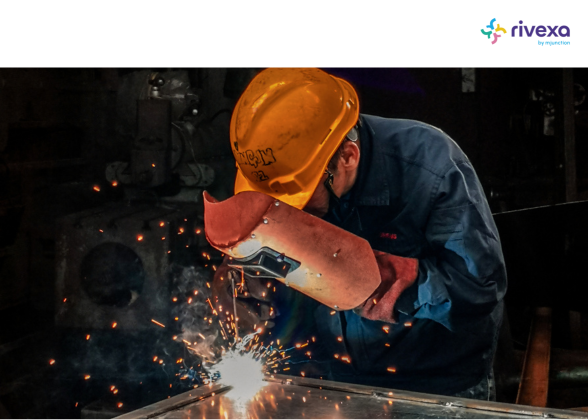
The American government implemented a 25% tariff on steel and aluminum imports originating from India. The action is part of a much broader approach to improving America’s domestic manufacturing scenario and reducing trade imbalances. The intention is to safeguard national security interests concerning essential industrial materials. International industrial buyers should consider the broader supply chain effects despite the targeted nature of these measures on steel imports. At the same time, custom sheet metal fabrication and other manufacturing sectors remain unaffected.
Compared to the tariffs affecting Chinese goods (10% across all categories), India tariffs specifically target steel and aluminum products only. This means diverse industrial products, including sheet metal fabrication services, remain tariff-exempt and economically attractive. Procurement professionals working with Indian suppliers should consider:
- How will these tariffs affect overall sourcing expenses?
- What strategies effectively balance cost concerns with supply chain stability?
- Which non-affected product categories offer viable alternatives within India?
Understanding the US tariffs on Indian Metals
Steel and aluminum imports from India now face a 25% tariff, mirroring restrictions on other international suppliers. The limited volume of Indian steel exports to the US – under 100,000 metric tons per year – suggests a contained impact. Sandeep Poundrik, India’s steel secretary, has expressed confidence that these measures will not significantly disrupt the Indian steel industry. Ultimately, verified sheet metal fabrication providers will be able to maintain their competitve edge (Reuters).
These measures also reflect the Trump administration’s comprehensive approach to metal imports worldwide. They focus on strengthening domestic industry and addressing national security considerations in these critical sectors (The Guardian).
Indian Industrial Products Beyond Metals
The tariffs only apply to the steel and aluminum import categories. The rest of India’s industrial export portfolio – precision components from any sheet metal fabrication manufacturers, custom engineering products, and electronics face no new trade barriers.
Indian exporters have improved their market competitiveness through lower corporate taxes, superior product quality, and more extensive global distribution capabilities. In addition, they have also enhanced how they deliver sheet metal manufacturing services (Reuters).
India’s manufacturers have also made significant strides in meeting global compliance benchmarks. Some steps include adding recognized quality certifications, sustainability practices, and traceability systems.
These commitments to quality and compliance in custom sheet metal fabrication and other sectors strengthen their position with international buyers who require reliable and regulation-compliant sourcing relationships.
Sourcing Options in the Current Environment
Industrial buyers now have compelling reasons to reconsider their supply chain strategies, given the existing tariff structure. While imports from nations like China, Mexico, and Canada face tariff penalties, India offers a notable exception for many product categories. Industrial components, including castings, machined parts, and electrical elements, can be imported from Indian sheet metal fabrication manufacturers without incurring additional tariff costs (India Times).
Unlike the mass production approach common in many competing nations, Indian manufacturers excel at delivering customized manufacturing solutions. This distinctive capability provides enhanced flexibility and responsiveness to buyer-specific needs. such an approach provides significant advantage for industries requiring specialized components and limited production volumes.
Opportunities for Buyers
1. Exploring Non-Tariffed Material Alternatives for Sheet Metal Fabrication Manufacturers
A) For buyers dependent on components with high steel and aluminum content, India’ does have verified manufacturers sector offers engineered alternatives and substitute materials without new tariff increases.
B) India’s sophisticated sheet metal fabrication services and other metal working sectors deliver tariff-free options with competitive pricing.
2. Setup Forward-Looking Supply Agreements
A) With potential additional trade restrictions looming, planning out long-term supplier relationships with verified sheet metal fabrication providers at current price levels protects against future market volatility.
3. Focus Procurement on Unaffected Indian Products
A) New tariffs do not apply to electrical components, fabricated parts, sheet metal fabrication services, light engineering products, or automotive components from India.
B) Procurement teams from American companies are increasingly redirecting orders toward custom sheet metal fabrication and these Indian product categories to reduce disruption.
4.Benefits of Adopting an India Specialized-Manufacturing Approach
Compared to the mass production and standardization characteristic of Chinese manufacturing, Indian suppliers specialize in custom sheet metal fabrication and other custom production solutions suited for:
- Production runs of small to medium quantities
- Development samples and adaptable manufacturing cycles
- Sector-specific modifications (industrial machinery, automotive, aerospace)
Why India Is Still a Strong Sourcing Partner for Sheet Metal Fabrication
India maintains its competitive pricing and demonstrates excellence in high-precision manufacturing and engineered products through its network of verified sheet metal fabrication providers. It offers a viable alternative to regions facing broader tariff impacts.
Procurement teams can mitigate supply chain vulnerabilities by shifting orders toward India’s tariff-exempt industrial sectors such as custom sheet metal fabrication. In doing so, they benefit from consistent trade relations and improving compliance standards that position India as a reliable long-term procurement partner.
To effectively address the current tariff situation, companies should evaluate their supplier portfolio, investigate India’s wide range of unaffected industrial categories. They can consider establishing fixed-price agreements before additional trade policy changes.
For businesses seeking dependable Indian manufacturing partners, rivexa facilitates connections with vetted, high-performance Indian manufacturers offering sheet metal fabrication services and other specialized capabilities.
Our marketplace has a network verified sheet metal fabrication providers of specializing in custom manufacturing with flexible production capabilities. We are your answer to a more cost-effective and stable sourcing approach.
Reach out today! Explore our premium sheet metal fabrication manufacturers capabilities from our verified partner network.

Leave a Reply