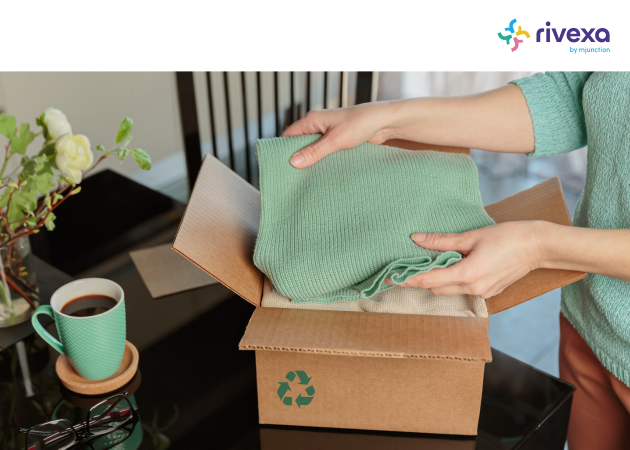
The fashion world is having its ‘green’ awakening, and not a moment too soon. From the runway to the recycling bin, fashion’s dirty secrets push the industry toward a dramatic makeover. Recycled fabric innovations address the 16 million tons of textile waste piling up yearly. Enter 2025’s game-changers: revolutionary sustainable fabrics that merge cutting-edge science with environmental protection, promising to transform our sustainable fashion – and our planet.
Organic Cotton: The Natural Favourite
Modern sustainable textile design begins with materials like organic cotton that stand out in sustainable fashion for a good reason. Grown without synthetic pesticides or fertilizers, it actively reduces soil degradation and water contamination – core issues in conventional cotton farming.
Its natural versatility shines in everything from lightweight sustainable fashion summer pieces to durable home textiles, while its signature softness makes it as appealing to wear as it is sustainable to produce.
GOTS (Global Organic Textile Standard) and OEKO-TEX certifications represent the gold standard in sustainable textile design, providing transparency in environmental and social practices surrounding cotton farming, and giving brands and consumers clear standards to trust.
Bamboo Fabric: Nature’s Gift to Activewear
The future of sustainable materials thrives in fast-growing alternatives like bamboo plants – which grow without pesticides and need minimal water. The fabric delivers both environmental benefits and practical performance. Its natural antibacterial and moisture-wicking properties make it ideal for everyday basics to workout gear.
The fabric has also found its way into our homes, improving bed linens and towels with surprising softness. Its complete biodegradability and luxurious feel explain why bamboo is becoming 2025’s most sought after eco-friendly fabric in the sustainable fashion industry.
Recycled Fabrics: Closing the Loop
Leading recycled fabric innovators are changing how we manage our waste. By transforming textile waste – BASF and Inditex created loopamid™ – the first circular solution for nylon apparel (BASF). Inditex’s flagship brand, Zara, made an entire jacket using loopamid™!
Recycled fabric innovations at K. Sankar’s Shree Renga Polymers turn 1.5 million PET plastic bottles into polyester filaments, approximately 25 metric tons, per day (Business Insider). The Sulochana Cotton Spinning Mills in Tirupur recycles 4000 Tonnes of PET bottles of polyester yar every month (The Hindu).
Recent discoveries in chemical separation have solved a critical challenge: turning mixed-fiber textiles into high-quality materials. Forward-thinking brands like Ganni are already partnering with recycling innovators (Vogue Business) and adding these materials to their collections. The result? Durable, versatile fabrics that perform as well in athletic wear as they do in outdoor gear, proving that sustainability doesn’t compromise quality.
Handwoven Fabrics
The revival of handwoven fabrics represents more than a trend. These textiles are the result of merging sustainability goals with cultural preservation through manual weaving techniques that dramatically reduce energy use compared to industrial production (Vogue India).
Each piece supports artisan livelihoods while protecting traditional skills, creating textiles with unique patterns at home in modern designs and cultural wear. In an age of mass production, these handwoven fabrics remind us that true luxury lies in the human touch.
Modal and Tencel
Sustainable luxury has found new champions in Tencel (Tencel™) and Modal fabrics. These innovative materials start with responsibly sourced wood pulp from trees grown in managed forests. The fabrics deliver a silky smoothness ideal for high-end fashion and bedding while maintaining complete biodegradability and eco-certification (New York Magazine).
New Fabrics Paving the Way for a Sustainable Future
Pineapple Leather (Pinatex)
Sustainable textile design innovators are finding inspiration in unexpected places! Pinatex is a non-biodegradable leather alternative. Made using cellulose fibers extracted from pineapple leaves, petroleum-based resin, and polylactic acid (PLA) (Wikipedia). Major fashion brands have already begun using this material for shoes, furniture, and bags, eager to invest in its potential to change into sustainable fashion.
The environmental benefits are clear: Pinatex re-uses existing agricultural waste, eliminates the need for toxic leather tanning processes, and offers a fully biodegradable end product – creating a true zero-waste material.
Chitosan Leather Alternative
Nature’s most unexpected materials are changing luxury fashion. Scientists have discovered chitosan, a compound found in mushrooms and shrimp shells. This sustainable textile design discovery offers a viable alternative.
TomTex leads this innovation, creating a biodegradable, bio-based leather that bypasses animal products and harmful tanning chemicals (Time Magazine). For designers seeking sustainable luxury, these materials prove that high-end fashion can emerge from the most surprising sources.
Algae-based fabrics
Sustainable textile design reaches new frontiers with algae-based materials that do more than just reduce environmental impact. They actively benefit our planet. It is first turned into a liquid form and then combined with cellulose to create fabrics (CNN).
The environmental credentials are impressive. Algae can be grown with minimal resources, absorb CO2, and use less water and energy than traditional materials. As a fully biodegradable and renewable resource, algae fabric represents a complete cycle of sustainable innovation.
Are you looking to integrate sustainable fabrics into your production? rivexa connects you with verified manufacturers of eco-friendly materials worldwide. Contact us now.

Leave a Reply