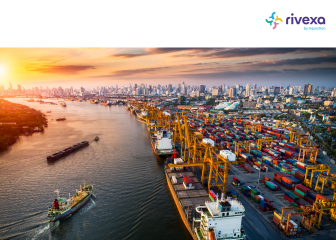
India’s booming export sector is primed for global success. Notably, exports grew by 4.15% during April-July 2024, reaching an estimated USD 144.12 billion. This success hinges on the art of efficient international logistics to sustain this global export growth.
For Indian exporters looking to make waves in global markets, streamlined logistics isn’t just an advantage—it’s the make-or-break element. We’re exploring the power moves Indian exporters are using to conquer global logistics.
How the Current Trade Landscape Benefits Indian Exporters
Indian export performance for FY2023-24 shows mixed results due to uncertainties over the past two years. Still, the US, UAE, and European countries remain top export destinations despite trade blocks. Trends indicate increased demand for Indian goods in China, the US, and the UAE, too. Yet, Indian exporters face challenges like:
- Complex customs
- Varying regulatory requirements across countries
- Customs clearances and duties
- Export licenses and restrictions
- High transportation costs
- Supply chain problems
India’s strategic location creates opportunities despite these Indian export challenges. However, with the right export logistics strategies, Indian exporters can benefit from those opportunities.
Tapping Global Trade Operations
Technology and data play a pivotal role in improving global logistics. Specifically, Indian exporters can also use technological innovations to improve efficiency and transparency in their operations:
ML & AI:
AI has already impacted the business world. McKinsey reports that AI can address key Indian export challenges by enhancing market trend data. It can reduce logistics costs by 15% and improve inventory management by 35%.
Cloud Computing for Logistics Management Systems:
Cloud computing powers most centralised platforms where exporters can track order processing, operational efficiency, and deliveries.
IoT:
Remote devices provide exporters with real-time updates that impact shipment speeds and the quality of goods.
Blockchain Technology:
Blockchain streamlines the supply chain by making it easier to track goods while reducing fraud and unnecessary paperwork.
Understanding Global Regulatory Compliance
Different countries have their own set of export regulations. However, Indian exporters find it tough to keep up with updates on those regulations. To succeed, Indian exporters must:
Stay Updated onTrade Policies
Monitor changes to trade agreements, tariffs, and regulations in target markets. Engage with trade associations for insights on appropriate Export logistics strategies.
Ensure Proper Product Classifications:
The Indian Government reported that 40% of rejected export shipments were labelling and packing errors. This was especially true for shipments headed to the US and EU. Correct classification can determine applicable duties and regulations.
Adhere to Packaging Labelling Standards:
Various countries have different packaging and labelling requirements. Ensuring compliance with those standards can prevent shipment rejections.
Invest in Compliance Training:
Regular staff training on expert operations can ensure a culture of compliance and reduce regulatory violations.
Building Strong Relationships with Global Logistics Partners:
Successful cross-border logistics relies on solid partnerships with global logistics providers. Indian exports can focus on:
Selecting Reliable Partners:
Choose shipping partners with a proven track record in your target markets. Consider factors like network coverage, technology adoption, and customer service quality.
Build Good Communication Channels:
Implementing information-sharing systems is key to timely communications and fast problem resolution.
Choosing the Right 3PL Collaboration:
3PLs or International logistics partnerships can aid market entry. They have expertise in handling complex logistics tasks, so exporters can focus on other business areas.
Keep Contingency Plans Ready
Economic fluctuations, natural disasters and political issues are unavoidable. Furthermore, building and following contingency plans can safeguard against loss.
Continuous digital transformation creates solutions that improve visibility and efficiency. Additionally, eco-friendly logistics is another key factor aiding the export sector. Infrastructural improvements and ‘Make-In-India’ facilitate the Indian export market growth, aiding exporters in tapping emerging markets.
If you’re interested in cracking international markets, we’ve got the answers! We can help you build your competitive edge with the right Indian export market growth playbooks. We don’t just help you adapt to a global expert landscape – we help you reshape it.
Visit www.rivexa.com today. Let’s engineer your export empire together.

Leave a Reply