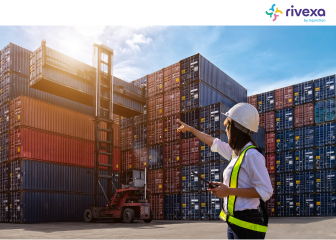
The Indian export sector is a fast-growing economy, driving industrial development, creating employment, and increasing foreign exchange earnings. Exports account for 20% of India’s GDP, and are also responsible for catalyzing India-international trade connections and positioning the country as a serious global marketplace player.
India’s Export Expansion Scene
The strength of Indian export industry lies in multiple sectors: agricultural products, petroleum products, chemicals, custom-engineered metal components, and apparel and accessories. This diversity is driving the Indian export industry forward. While textiles and apparel remain a traditional stronghold, pharmaceuticals, IT, and custom metal components are gaining traction.
Major economies like the EU, US, UAE, and China – are prime destinations for Indian exports. As manufacturers continue diversifying their product range and focusing on quality, value-added goods, they’re reshaping India’s export future.
Factors Driving India’s Export Successes
Several factors are driving the Success in Indian exports scene:
- Government policies:
The government of India launched targeted programs to aid Indian exports: the PLI and the MEIS. Short for the Production-Linked Incentive and Merchandise Exports from India Scheme, these India export policies support manufacturers along the value chain. The programs do this by creating incentives for high-value manufacturing.
2. Quality improvements:
Indian manufacturers are raising the bar by implementing stringent QC protocols to comply with global standards. This commitment to excellence ensures products that match their global counterparts.
3. Technological advancements
Indian export facilities are undergoing a digital metamorphosis. By integrating technologies like AI and automation, Indian manufacturers achieve superior production efficiency.
4. Competitive costs
With its skilled workforce and competitive production costs, India is emerging as an export manufacturing powerhouse. Industries leverage these dual advantages to excel, from readymade goods and apparel to precision-engineered components. In addition, India’s manufacturers are also certified to provide fair labor practices.
Challenges Hindering Indian Exporters:
Despite the possible successes awaiting them, there are certain challenges that some exporters must contend with:
- Infrastructural bottlenecks
Current gaps in the logistics and transport infrastructure need to be addressed for exporters. Through major initiatives like the Sagarmala project, the government addresses these challenges and gradually strengthens the export sector.
2. International competition:
The international market presents fierce competition for Indian manufacturers. They navigate a global landscape where countries like Vietnam, Bangladesh, and China utilize their cost advantages and stronger export systems.
3. Currency Fluctuations
Exporters seeking long-term export contracts must be aware of the pressure from the rupee’s shifting value. Currency movements can erode profit margins, resulting in financial uncertainty.
4. Regulations complexities:
Small and medium-sized exporters endure significant hurdles when navigating India’s regulations. From compliance documentation to customs clearance, these exporters have limited resources to deal with issues stemming from regulations.
Expansion Opportunities
The road ahead for Indian exports is a promising one, offering compelling growth prospects:
- Export diversification
Indian manufacturers are evolving beyond their traditional textile stronghold, venturing into complete fashion apparel and accessories. Manufacturers from other fields offer industrial components used in electronics, construction, and heavy industries. They’re starting to diversify their export portfolio to meet global demands.
2. Value addition
Rather than simply shipping materials, Indian companies are capturing greater market value through finished product innovation. This strategic shift from basic commodities to sophisticated goods helps secure better pricing in international markets.
3. New digital platforms:
Digital marketplaces aid India’s export expansion, especially for smaller enterprises. Such platforms eliminate traditional barriers. Businesses can showcase their products and expand their market presence by connecting with global buyers through these digital platforms.
Future Outlook
India’s export expansion is entering a new era of growth driven by sustainable and technological practices. The opportunities for global sourcing continue to expand, with Indian manufacturers investing in innovative solutions while maintaining competitive advantage through government support and a skilled workforce.
Connect with these verified Indian manufacturers eager to be a part of India’s export expansion using the rivexa B2B platform, where quality assurance meets competitive pricing. Contact rivexa today to access our network of certified Indian manufacturers ready to be your next sourcing partners.

Leave a Reply