The home textile sector is undergoing a significant transition, the trends in home textiles are evolving driven by rising emphasis on sustainability, evolving customer tastes, and technology breakthroughs. Businesses who provide to foreign markets and source from India need to be aware of these developments in order to remain competitive for the year 2024 and the coming year of 2025.
The Global market share of Home textiles is expected to grow at a CAGR of 5.02% it is expected to go from US$125 billion to $195 billion by 2032 (Source: IMARC group).
The evolving home textile trends of 2024 and the coming years are:
1. Green Movement of Sustainability:
Customers are becoming more conscious of the impact of their purchases on the environment, which is driving up demand for eco-friendly products. Organic cotton, hemp, bamboo, and recycled fibres are becoming more and more popular. Indian Suppliers provide a wide range of sustainable solutions to global markets. Businesses are highlighting supply chain transparency and showcasing certifications like GOTS (Global Organic Textile Standard) in an effort to appeal to environmentally conscious consumers.
2. Home Textile Innovations:
The industry is changing as a result of technology. Smart textiles are becoming more and more popular, these fabrics include electronic components. This has increased consumption of Home Textiles in major parts of the world. Innovative goods like solar-powered curtains and temperature-regulating bed sheets increase consumer convenience and comfort. Additionally, advancements in dyeing techniques—like digital printing—allow for more intricate designs and customisation, contributing to the growing trend of personalized home decor.
3. Minimalist and Natural Aesthetics:
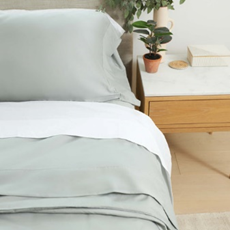
In 2024, minimalism will still be a popular design concept. Customers are drawn to simple, quiet environments featuring neutral color schemes, natural materials, and clean lines. They particularly favor linen and jute for their simplicity and texture. Since the minimalist style frequently incorporates fewer, higher-quality, long-lasting things, it is consistent with the larger push towards sustainable living.

4. Bold Patterns and Colours :
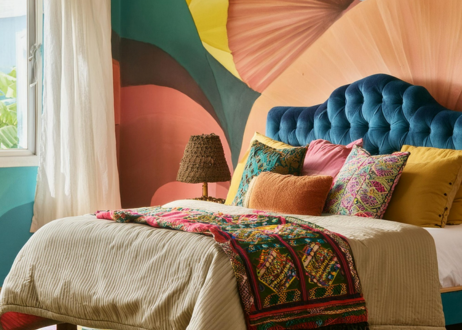
In contrast to the current trend toward minimalism, there is an increasing demand for striking patterns and vivid colours. Maximalism is returning with its colourful combination of textures and prints. Rich jewel tones, geometric patterns influenced by abstract art, and geometric designs are all expected to be fashionable in-home textiles. Customers can exhibit their personality and ingenuity with this trend, personalizing their living environments.
5. Wellness-Focused Textiles:
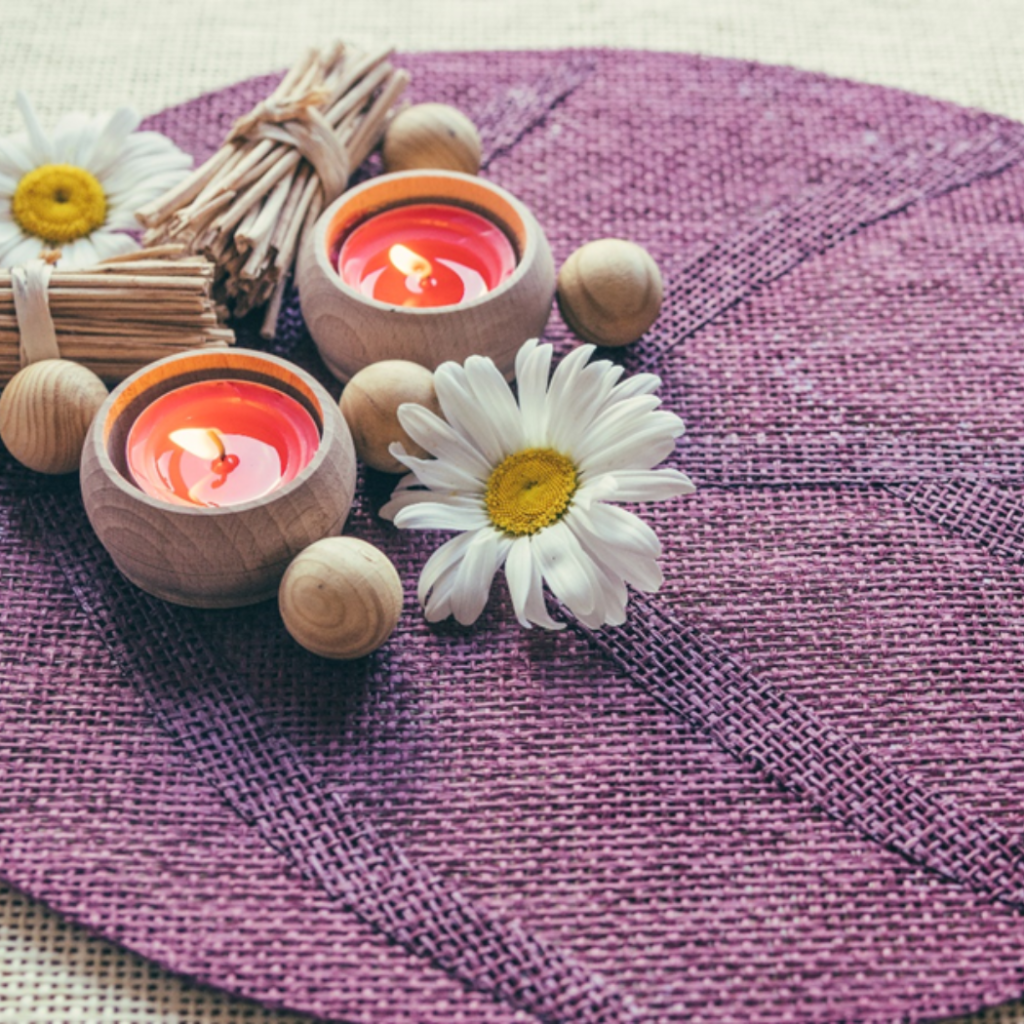
Home textiles that encourage comfort and relaxation are highly sought after because to the growing emphasis on health and well-being. Due to their well-known relaxing properties, weighted blankets are still very popular. Textiles with aromatherapy infusions, like cushions scented with lavender, are likewise becoming more popular. Furthermore, as consumers place a higher priority on hygiene and wellness, antimicrobial and hypoallergenic textiles are becoming indispensable, particularly in bedding and towels.
6. Multi-Functional Textiles:
Multipurpose home textiles are becoming more and more necessary as flexible living arrangements and remote work become more common. Products with several uses, including modular curtains, reversible comforters, and convertible furniture covers, are flexible and versatile. Customers wishing to maximize their living areas without sacrificing comfort or design can take advantage of these advancements.
7. Artisan and Handcrafted Textiles:
Textiles made by artisans and by hand are becoming more valuable. Handcrafted items attract customers due to their uniqueness and cultural significance, often telling a story of tradition and legacy. Indian craftsmen, known for their exquisite workmanship, play a significant role in this movement. Among the most coveted methods that lend authenticity and distinctiveness to home décor are block printing, handloom weaving, and embroidery.
India’s Role in Home Textile Trends:
India’s long history of producing textiles puts it in a good position to meet the demands of these new trends. The nation is a significant supplier of home textiles, a market that is expected to expand significantly in 2025. India is setting the standard for the manufacture of sustainable and environmentally friendly products by utilizing its vast agricultural resources to produce natural fibres like organic cotton. The technical breakthroughs of Indian textile companies, combined with the talent of local craftsmen, ensure better and more innovative goods. Nonetheless, procurement remains challenging due to the requirement for consistent supplier chains and different quality requirements. In order to provide your business with a competitive edge in the global market, Rivexa can help you establish dependable supplier partnerships and efficient quality control solutions by addressing these concerns.
Conclusion:
The dynamic interaction of sustainability, innovation, and design aesthetics is reflected in the home textile trends of 2025. Keeping up with these trends might give companies in the B2B e-commerce space that source from India a competitive advantage. Businesses may adapt to the changing needs of the global market by providing sustainable resources, embracing technological improvements, and satisfying a wide range of consumer tastes. As we move forward, the blending of tradition and contemporary design will shape the future of home textiles, creating visually stunning, meaningful, and sustainable spaces.

Leave a Reply