
Over the past few decades, two distinct styles have evolved in the ever-evolving world of fashion: slow fashion and rapid fashion. Slow fashion vs fast fashion in India highlights their distinct qualities, intended audiences, and social and environmental effects. This blog explores the distinctions between the two, paying particular attention to their existence in India, a major Centre for the production of custom apparel and fashion.
What is Fast Fashion?

The term “fast fashion” describes the quick creation of low-cost apparel to keep up with the latest trends. Companies in this industry want to rapidly introduce designs influenced by catwalks to the broader market.
Important traits consist of:
- Speed: New collections from fast fashion firms are often released several times a year, sometimes even every week.
- Affordability: The objective is to produce apparel at a reduced cost.
- Disposable: Clothes are usually worn just a for a few occasions before being thrown away.
Eg:- Shein, Uniqlo, GAP, Fashion Nova
Fast Fashion in India:
India, a country well-known for its extensive textile history, has embraced fast fashion to meet the global demand. Indian government has put strict laws into place to guarantee fair labour practices and ecologically friendly operations. These laws help minimize some of the negative effects that fast fashion is usually linked to.
Regulatory Framework and Ethical Practices
- Labour Laws: To guarantee just compensation, appropriate working hours, and secure working conditions, the Indian government imposes stringent labour laws. The protection of workers’ rights is greatly aided by the Factories Act and the Minimum Wages Act.
- Sustainability Initiatives: Through programs like the Sustainable and Accelerated Adoption of efficient Textile Technologies to Help small Industries (SAATHI) scheme, the Textile Ministry supports sustainable practices. Helping small textile units transition to power looms that use less energy is the goal of this program.
- Corporate Social Responsibility (CSR): A minimum of 2% of revenues from Indian corporations beyond a specific level must be allocated towards corporate social responsibility (CSR) initiatives, which often involve enhancing labour standards and promoting environmental sustainability.
What is Slow Fashion?
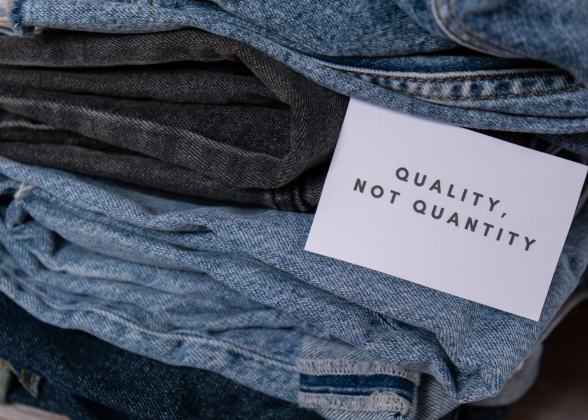
Slow fashion places a strong emphasis on ethical production, sustainability, and quality. There is a trend encouraging people to purchase fewer, higher-quality, longer-lasting products. Important traits consist of:
- Sustainability: Made using natural, biodegradable, and locally sourced materials. Their primary focus is on environmentally friendly materials and production techniques.
- Ethical Production: Believes that workers should have safe working conditions and fair wages.
- Timeless Design: Traditional looks that hold up over time. Crafting distinctive and exquisite patterns requires patience.
Slow Fashion and Sustainable Fashion in India:
India leads the world in environmentally friendly fashion, with a large number of its manufacturers following eco-friendly guidelines. Slow fashion aligns perfectly with Indian manufacturers, who often use organic cotton, natural dyes, and traditional handcrafting techniques. Brands may make sure their products are sustainable and one-of-a-kind by selecting custom clothes manufacturers in India.
In India, a number of programs and partnerships are encouraging sustainable fashion:
- Fashion Design Council of India (FDCI): With initiatives like the Sustainable Fashion Day during Lakme Fashion Week, the FDCI has been aggressively pushing sustainable fashion.
- The Ministry of Textiles launched the Sustainable Fashion Initiative (SFI) with the goal of encouraging and supporting sustainable practices in the Indian textile sector.
The Environmental and Social Impact
- Environmental Impact:
- Fast Fashion: There is a great deal of waste and pollution as a result of the quick production cycle. Fast fashion frequently uses synthetic fibres, which take years to break down.
- Slow fashion: Reduces its environmental impact by emphasizing sustainable production techniques and biodegradable materials.
- Social Impact:
- Fast Fashion: Although India often faces criticism for its labor conditions, legal safeguards are in place to protect employees.
- Slow Fashion: places a high priority on moral labour conditions and fair commerce, guaranteeing a beneficial social impact.
Making the Right Choice:
The global sustainable market will grow from $8 billion in 2023 to $33 billion by 2030,(Source: Customer Market Insights). The Indian sustainable fashion market will expand at a CAGR of 10.6%, reaching $9 billion, as reported by BCG.
The need for slow fashion is rising as customers become more conscious of their effects on the environment and society. We can all work together to change things for the better by encouraging sustainable practices. Choosing slow fashion can help achieve a sustainable future, whether you are a consumer making thoughtful selections or a brand sourcing responsibly.
India plays a crucial role in the global fashion business. It is a model for both fast and slow fashion because of its rich history and dedication to environmental techniques. Brands can effectively blend style, affordability, and sustainability by utilizing the knowledge of fashion and bespoke garment producers in India.

Leave a Reply