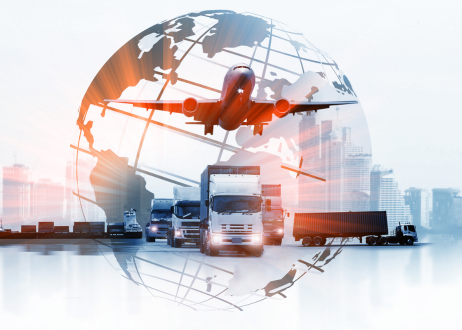
The basis of seamless international trade is logistics, which facilitates the accurate and efficient transfer of commodities between nations. India is home to many industries, such as textiles, automobiles, and IT services. Exporters rely on strong logistics services to make the most of international trade. With new solutions that boost competition, streamline procedures, and promote transparency, the rise of digital logistics has changed the face of business.
The Crucial Link Between Exports and Logistics:
Among the many logistical challenges exporters face are those related to documentation, customs clearance, storage, and delivery. A thorough plan is required to manage these complexities, improve supply chain efficiency, and save costs and lead times. Logistics services organise the transportation of commodities from manufacturing locations to ports, airports, or distribution hubs. This breadth of operations highlights the significance of these services.
Crucial Components of Transportation Services:
A range of tasks make up logistics services, all of which are necessary to ensure the timely and secure export of goods. To name a few, transportation is essential to logistics services. It gives exporters fast access to distant markets via effective modes of transportation such as air, sea, rail, and road freight. By adopting efficient storage techniques and strategic warehousing solutions, inventory management improves.
-By comprehending the intricate customs laws and paperwork requirements, managing customs clearance and documentation is essential to accelerating international shipments and avoiding any potential delays or fines.
- Exporters can make operational decisions and manage risk by using real-time tools. They are tracking systems to monitor the movement of goods throughout the supply chain.
- We increase customer satisfaction and trust by delivering superior mileage, ensuring international shipments reach their destination on time and in good condition.
The Rise of Digital Disruption in Logistics:
The logistics industry has recently changed due to technology and digital transformation. The digital logistics industry has transformed the traditional product model by using technologies such as blockchain, artificial intelligence, and the Internet of Things, enabling improved operations, transparency, and agility at the push of a button. This technology offers a variety of solutions for exporters’ unique needs.
Exporters can access a network of carriers and freight forwarders through online platforms such as digital freight markets. These platforms facilitate live shipment tracking, transparent pricing, and instant bookings.
The Supply Chain Insights Platform helps suppliers predict disruptions and improve routes. It reduces risk by providing comprehensive insights into the entire supply chain through predictive analytics tools.
Blockchain technology supports the customs process by ensuring the accuracy and immutability of important information. This includes freight rates, origin documents, and history.
Smart Warehouse Solution: IoT-enabled sensors and RFID tags monitor temperature, humidity, and product levels in real time. This improves product availability, control, and efficiency of product quality.
The Value of Adopting Digital Technologies:
Suppliers must use digital logistics solutions in an increasingly digital world if they hope to compete in the global market. It is imperative for Indian exporters to leverage technology to boost output and stabilize the supply chain. This will help them seize new opportunities in the international market.
Conclusion:
Supporting logistics is essential for connecting Indian exporters to global markets in the dynamic world of international trade.
It is impossible to overstate the importance of logistics in enabling smooth trade. The nation moves toward deeper economic integration and greater international awareness. Due to the revolutionary impact of digital logistics, India will see exceptional growth and success in its future exports. People working in this sector strive to create new efficiencies and innovations.

Leave a Reply